


Anti-Inflammatory Nutrition Diet affects inflammation

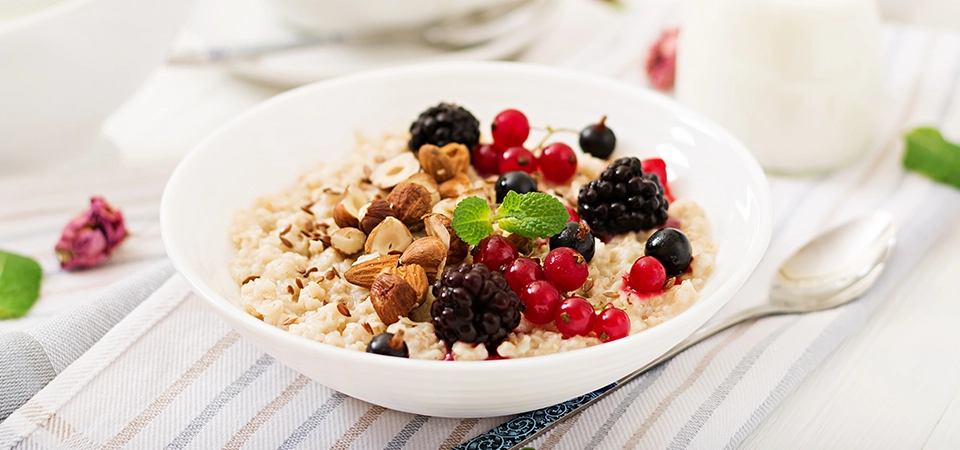
Genetic predisposition is a risk factor for inflammatory diseases. That said, the most decisive factor in whether inflammation becomes chronic is diet. This is because some foods prevent inflammation, while others trigger it.
In more than 50% of individuals with an inflammatory disease, the onset of the disease is a result of their diet and lifestyle. Even a single unhealthy meal can trigger inflammatory reactions. If you choose unhealthy foods over the years, inflammation becomes chronic and disease results.
 Chronic inflammatory processes play a role in nearly every disease, from allergies to rheumatic diseases, from obesity to diabetes, and from arteriosclerosis to gout and intestinal diseases. Acne, bronchitis, osteoporosis, multiple sclerosis, high blood pressure, dementia, cancer and many other diseases are also linked to chronic inflammation. Nearly all autoimmune diseases lead to chronic inflammation as well.
It is well known that diet plays an important role in chronic inflammatory processes.
In fact, inflammation is not as bad as it's often assumed to be; the inflammatory process is a natural defense reaction of the body against uninvited guests and toxins.
Blood flow to the damaged area first decreases, then increases. This is how white blood cells, our body's defense cells, reach the site of inflammation. In fact, inflammation is one of the vital bodily functions that keeps us healthy.
A fundamental distinction should be made between acute and chronic inflammation:
Acute inflammation is affected very little, or not at all, by diet. Inflammation is generally a necessary part of the healing process.
Chronic inflammatory processes, on the other hand, are affected by changes in lifestyle and diet.
Inflammation becomes a problem when it becomes chronic or occurs too frequently, weakening an otherwise healthy body. Some components in the foods we consume are anti-inflammatory, while others trigger inflammation. In the long run, the balance between these components matters. The effect of individual components varies from person to person. This is true both for foods that increase inflammation and for anti-inflammatory foods.
Which foods have anti-inflammatory effects?
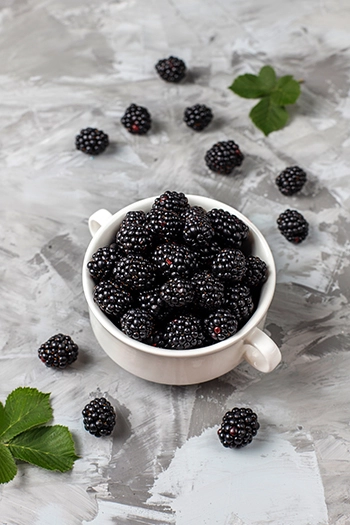 Purple-colored fruits in particular (raspberries, blackberries, blueberries), citrus fruits, various types of cabbage, spinach, chard, broccoli, beets, pineapple, and cherries and sour cherries all have numerous beneficial components for our body. In many patients, thanks to vitamins, minerals (magnesium, zinc, copper, selenium), flavonoids, antioxidants and plenty of fiber, chronic inflammatory processes in the body are reduced and the body's functions are supported.
Using fresh herbs and spices has a positive effect. Foods like ginger, turmeric, basil, thyme, nutmeg, rosemary, onion and garlic contain numerous anti-inflammatory components.
Essential oils, flavonoids, tannins and vitamins help the body protect itself, help reduce inflammation, and add flavor to meals.
Like the liver, the intestines also contain plenty of zinc and copper. These minerals are similar to magnesium and selenium. They participate in metabolism and are therefore very important in fighting inflammatory processes in the body. Tuna, mackerel, salmon and herring are more beneficial for health than red meat, since they are rich in omega-3 fatty acids. Vegan alternatives include rapeseed oil or flaxseed oil. Omega-3 fatty acids can be obtained from these plant oils through cold-pressing, but they should not be heated.
Legumes: Legumes such as lentils and beans contain lectins, which can trigger inflammation in some people. These foods should be consumed in smaller amounts and should be soaked thoroughly before cooking to help remove the lectins. Whey, yogurt whey, or water with vinegar can be used for soaking.
Processed products like meat and sausage: Consumption of factory-produced meat and sausage products should be reduced, as these products contain omega-6 fatty acids, which trigger inflammation. The salting, smoking and canning processes used to extend the shelf life and enhance the flavor of these products also trigger inflammation.
Refined vegetable oils and trans fats: Processed vegetable oils such as sunflower oil, corn oil, and genetically modified soybean oil contain high amounts of omega-6, which triggers inflammation. Trans fats are oils that have been converted from a liquid to a solid state through the addition of hydrogen to their structure. Trans fats, found in margarine, frozen foods, and many ready-made packaged foods, also increase inflammation.
Dairy products: Dairy products such as homemade yogurt and cheese have probiotic properties and are healthy since they contain zinc and omega-3 fatty acids. You can increase the anti-inflammatory effect in the body by adding fruit, oats, flaxseed and walnuts to natural yogurt. However, dairy products produced by the food industry, especially those with a high fat content, contain large amounts of omega-6 fatty acids that can increase inflammation. The protein called casein found in milk also causes inflammation. Lactose intolerance in an individual also increases inflammation.
Artificial sweeteners: Sucralose in particular, which causes disruption in the liver, has been shown to increase the inflammatory effect.
 Carbonated drinks and high-fructose corn syrup: Corn syrup, whose use as a substitute for sugar has become widespread today, has been shown to be associated with obesity, as well as with diabetes and heart disease. It has now been proven that fat tissue increases inflammation, leading to related rheumatic diseases.
Refined carbohydrates and ready-made packaged foods: Foods containing gluten, such as bread, biscuits, cakes, crackers and sauces — which rapidly raise blood sugar and have a high glycemic index — have been shown to increase inflammation. Monosodium glutamate (MSG), found in ready-made foods (instant soup, chips, biscuits), increases inflammation and the risk of type 2 diabetes.
Fried foods: The trans fatty acids in foods like fried potatoes, fried cheese, fried onion rings, and fried dough have been shown to increase inflammation.
Alcohol: Alcoholic beverages such as red wine, which have an antioxidant effect when consumed in moderate amounts, have been shown to increase inflammation when consumed in excess. Excessive alcohol consumption disrupts the intestinal system, causing inflammation.
Dr. Hüseyin NAZLIKUL, M.D., PhD.
President of IFMANT = International Federation of Neural Therapy Associations
President of the Scientific Neural Therapy Regulation Association