


Antioxidants Humans can only live in an oxygen-rich environment. Oxygen is used as the energizing…

However, some of the products formed at the end of the reactions that oxygen — the source of life — takes part in are harmful waste products that need to be cleared away. These are called oxidant substances or free oxygen radicals (FOR).
Oxidant substances are formed both through the body's natural metabolic pathways and by various external factors. Examples include radiation, ultraviolet rays, exhaust fumes and air pollution, cigarette smoke, infections, stress, chemical substances, and pesticides.
Oxidant substances, whether formed naturally or by external factors, are broken down and cleared by the body's natural antioxidant systems. Antioxidants are substances that prevent the formation of oxidant substances or reduce their harmful effects, thereby protecting the body. As long as the oxidant and antioxidant systems remain in balance in healthy individuals, no damage occurs. When this balance is disrupted in favor of oxidants (a condition called oxidative stress), disease processes begin.
 In recent years, environmental pollution, stress and the widespread consumption of processed foods have increased the formation of oxidant substances in the human body. Increased oxidant substances are harmful to all the body's cells and organs. They are known to have many effects that lead to cardiovascular disease, degenerative diseases of the nervous system, immune system diseases, gene damage, cancer and premature aging.
In addition to the natural antioxidants present in the body, antioxidants are also found in the composition of foods: beta-carotene (a precursor of vitamin A), vitamin E, vitamin C, selenium, zinc, the flavonoids that give vegetables and fruit their color pigments, and omega-3 are among the most powerful food-based antioxidants.
Studies show that beta-carotene, vitamin C, vitamin E and flavonoids in particular lower LDL cholesterol levels and protect the cardiovascular system. Flavonoids are also known to have cancer-preventing properties. There are numerous studies showing that individuals who eat a diet rich in vegetables and fruit have a lower risk of cancer. Selenium and zinc are also antioxidants with cancer-preventing effects.
Dietary Sources of Antioxidants
Vitamin A: Dark leafy greens and yellow-green vegetables (broccoli, cabbage, spinach, carrot, zucchini, pumpkin, corn, tomato), fish, egg yolk, orange, peach and apricot are the richest sources of vitamin A.
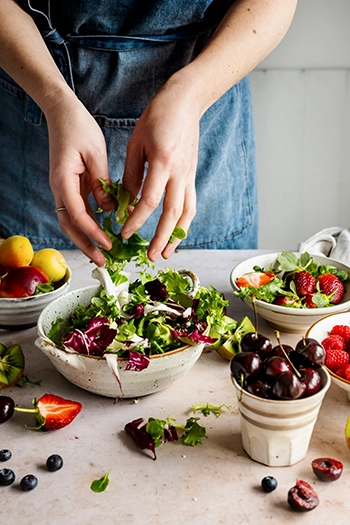 Vitamin C: Yellow and orange fruits (lemon, grapefruit, orange), and numerous fruits such as rosehip, strawberry, cranberry and kiwi, along with dark green vegetables such as parsley, green pepper, spinach and broccoli, are rich sources of vitamin C.
Vitamin E: Oily seeds (almonds, walnuts, hazelnuts), grains, dried legumes, certain vegetable oils, and leafy green vegetables are the best sources of vitamin E.
Flavonoids: Onion, garlic, leek, cabbage, cauliflower, red pepper, spinach, strawberry, apple, sour cherry, cherry, plum, black grapes, citrus fruits and green tea are the most common dietary sources.
Zinc: All animal-based foods such as meat, milk, cheese, eggs, seafood and fish are rich in zinc. Whole grain products, dried legumes, soybeans, pumpkin seeds and sunflower seeds are also rich sources of zinc.
Selenium: Seafood, grains, brewer's yeast, broccoli, cabbage, celery, onion, garlic and eggs are the primary sources of selenium.
Magnesium: Found in seafood, nuts, figs, dates, soybeans, oats, parsley and spinach.
Omega-3: Since it is not produced by the body, it is an essential fatty acid that must be obtained from food. Among the many forms of this fatty acid, the key ones are EPA (eicosapentaenoic acid) and DHA (docosahexaenoic acid). DHA in particular is thought to be important, since it makes up 25% to 40% of the structure of the brain's gray matter, the retina, and the nerves. Not getting enough of it can bring on many diseases, particularly of the cardiovascular system. It is found in oily fish (salmon, trout, anchovy), leafy green plants, and oils (canola oil, flaxseed oil and soybean oil).
Antioxidants and Aging
Antioxidants are the protectors that nature offers us. Taking in antioxidants not only protects us from disease but also prevents premature aging. This is because, while we cannot escape oxidant substances in the natural process, we can support our body's protection system and prevent premature aging by taking in more antioxidants from outside sources.
Foods Against Aging
Breakfast cereal: Oats and buckwheat flakes
Dairy products: Soy milk and yogurt
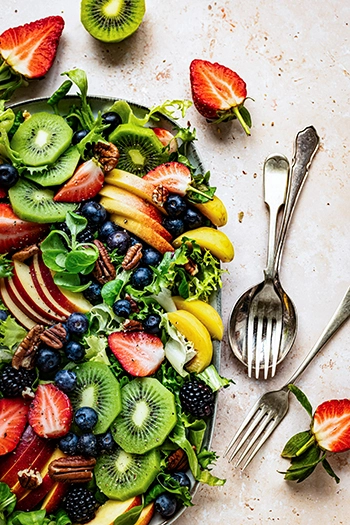 Types of bread: Brown bread, whole grain barley, oat, rye and whole wheat bread
Vegetables and legumes: Broccoli, cabbage, carrot, spinach, pumpkin, tomato, cress, peas, chickpeas, lentils, purslane, corn, avocado, leek, soy
Grains: Bulgur and brown rice
Fish and shellfish: Salmon, trout, red mullet, oyster, shrimp, mackerel, turbot
Fruit and sweets: Apricot, banana, cherry, apple, strawberry, pink grapefruit, mango, melon, watermelon, grapes, mulberry, dried fruit, walnuts, almonds, hazelnuts
Non-alcoholic drinks: Soups, herbal teas and green tea
Alcoholic drinks: Red wine
Oils: Olive oil
Foods That Accelerate Aging
Breakfast cereal: Corn flakes, iron-fortified cereals
 Dairy products: High-fat cheeses, iron-fortified milk, fresh cream, margarine
Types of bread: White bread, biscuits, pastries, pizza
Deli meats: Brain, kidney, sausage, salami, smoked ham
Fish: Pike, swordfish, tuna, salted fish
Sweets: Fruit in syrup, jam, chocolate, honey, ice cream, coconut, syrup
Non-alcoholic drinks: Coffee, instant soups, cola, acidic drinks
Oils: Frying oils, saturated fats
Dr. Hüseyin NAZLIKUL, M.D., PhD.
President of IFMANT = International Federation of Neural Therapy Associations
President of the Scientific Neural Therapy Regulation Association