


Intestinal Fungus (Candida Albicans) - Things to Watch For with Candida Candida Can Be Permanently…

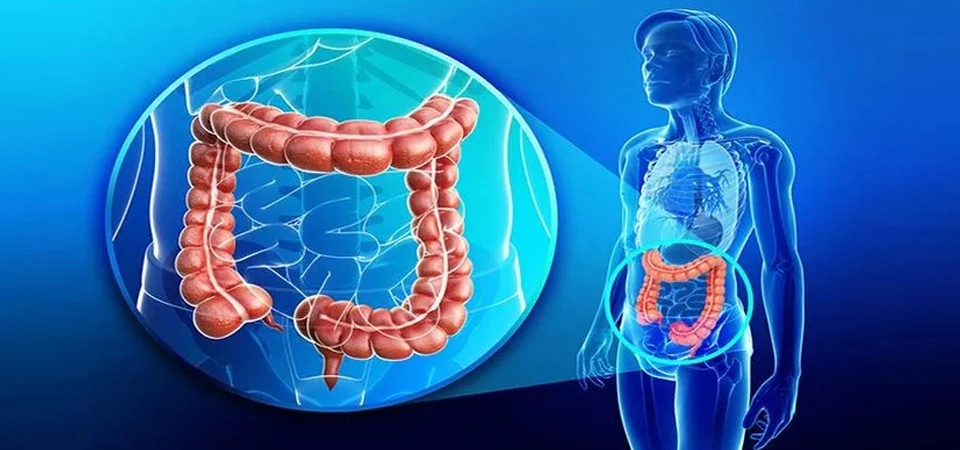
Fungi are part of a healthy, balanced gut flora. However, when these fungi proliferate and the balance is disrupted, they cause many complaints.
Experts note that intestinal fungus can lead to different clinical presentations.
CANDIDA FUNGUS
To define Candida fungus, it is part of a healthy intestinal system. The beneficial and harmful microorganisms found in the intestines live in balance. When this balance is disrupted, beneficial microorganisms decrease over time, and Candida fungus proliferates excessively, becoming dangerous. The reduction of beneficial bacteria paves the way for the development of disease. In addition, as Candida fungus proliferates, intestinal permeability also increases. As a result, substances that should be excreted from the intestines and are harmful to the body easily pass into the body, causing various diseases. In patients where the amount of Candida fungus has increased, the first symptoms to appear are persistent fatigue and digestive complaints.
HOW DOES A CANDIDA FUNGAL INFECTION DEVELOP IN THE INTESTINE?
For digestion to proceed as smoothly as possible, the body doesn't rely solely on the activity of the stomach and intestines. At the same time, the large intestine contains numerous microorganisms that help break down food components. Bacteria make up the largest part of these microorganisms and spread across most of the mucosal membrane. They metabolize substances that can no longer be used by the body (such as fiber). In addition, fungi and single-celled organisms are also part of the gut flora. Although their numbers are not very high, they are not negligible either.
These irregularities in the intestinal system can cause wide-ranging effects. If there are fewer beneficial bacteria (due to the use of certain medications), fungi suddenly seize the opportunity to spread in the intestine. This condition is called intestinal fungus.
THE YEAST FUNGUS "CANDIDA ALBICANS" IS USUALLY "THE CULPRIT":
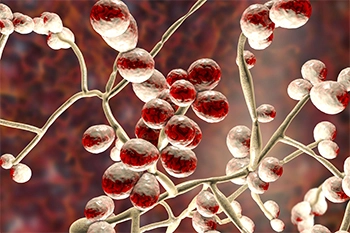
Candida Albicans occurs unnoticed in the mucous membranes of many people, but negative effects only appear when it spreads uncontrollably. This fungus can cause a wide variety of symptoms. To give an example of one symptom it causes: Candida fungus metabolizes sugary foods, and because it produces large amounts of gas, bloating occurs.
SYMPTOMS OF CANDIDA FUNGUS
In a person with a Candida fungal infection in the intestine, the breakdown and digestion of food can no longer proceed as usual.
THE MAIN SYMPTOMS OF CANDIDA FUNGUS ARE AS FOLLOWS:
- Weakness,
 Fatigue and exhaustion
- Stomach bloating
- Abdominal pain
- Insulin resistance
- Weight gain/getting fat
- Memory-related complaints and forgetfulness
- Lack of concentration
- Bloating
- Constipation
- Gas
- Changes in stool consistency
- Eczema
- Joint and muscle pain
- Headache
- Migraine
- Skin problems such as redness and itching
- Severe intestinal cramps
- Weakened immune system
- Vaginal fungal infection
- Frequent illness
- Intense craving for sugary foods
- Sensitivity to certain foods
- Hormonal disorders
- Anxiety
- Tendency toward depression
It's also noted that in some patients, in addition to effects on the skin and joints, the incidence of depressive mood or depression increases as well. Although researchers have not yet been able to clarify whether there is truly a connection between intestinal Candida fungus and the existing symptoms, our clinical observations point in this direction.
Uncontrolled proliferation of Candida fungus increases appetite, particularly the craving for sugary foods!
CAUSES OF CANDIDA YEAST FUNGUS
There are many causes of Candida fungus. However, the result always relies on a weakened immune system.
 The following factors, sometimes individually, but usually together, can be responsible for Candida fungus:
- Heavy metal burden and other environmental toxins
- Psychological problems and stress
- Electrosmog
- Other infections that weaken the immune system (e.g., HIV)
- Poor diet
- Food sensitivities / intolerances
- Hereditary or acquired weakness of the digestive system (e.g., insufficient pancreatic secretion)
- Dietary errors
- Consuming high-carbohydrate, stimulant drinks like alcohol
- Taking in too little vitamins, minerals, essential fatty acids, fiber and protein
- Antibiotic treatments or medications that affect the immune system (cortisone, etc.)
Exposure to intestinal Candida fungi also causes other problems. A fungal infection can easily lead to food intolerance. It also becomes easier for other infectious agents to overwhelm the immune system.
INTESTINAL FUNGUS: CAUSES AND DIAGNOSIS
How does Candida Albicans fungus spread into the intestines?
A decrease in the number of beneficial bacteria (which would otherwise leave no room for intestinal fungus) is the most favorable condition for the spread of Candida fungus.
THE FOLLOWING FACTORS AFFECT THE SPREAD OF CANDIDA FUNGUS:
- Antibiotic use (kills not only disease-causing bacteria, but also beneficial bacteria in the intestine)
- A high-sugar diet (food that feeds intestinal fungus)
- A weakened immune system (facilitates the spread of fungi)
- Certain underlying diseases (e.g., diabetes)
DIAGNOSING INTESTINAL FUNGUS IS NOT SO EASY:
Symptoms overlap with many other digestive system diseases. For this reason, a doctor needs to perform a stool examination for a reliable diagnosis. A culture that reveals intestinal fungus can be created by examining the stool under a microscope.
FACTORS THAT LEAD TO THE PROLIFERATION OF INTESTINAL FUNGUS:
- Frequent antibiotic use
- Long-term use of birth control pills
- Accumulation of heavy metals and toxic substances in the body (smoking, spending long periods in a smoky environment, and breathing polluted air increase heavy metal accumulation in the body)
- Drinking chlorinated water, using anti-inflammatory medication such as cortisone
- Frequently consuming refined carbohydrates and sugary foods
- Excessive alcohol consumption
REGULAR NUTRITION
It's essential to include nutrition as part of the treatment. There's no point in taking anti-fungal medication while also reopening the door to intestinal fungus with a poor diet at the same time.
The first and most important step is a diet low in simple carbohydrates. Avoiding simple carbohydrates means following a diet free of sugar, fructose, sweet fruit, white flour, and white rice.
Alcoholic beverages, ready-made foods, preservatives and other unsuitable substances should be avoided. A fiber-rich diet is necessary.
A balanced and varied diet should be planned in consultation with a doctor and nutrition specialist.
INTESTINAL FUNGUS FEEDS ON SUGAR AND ALCOHOL!
Besides sugar, things you should avoid:
- Fruit
- Dried fruit
- Fruit sugar
- Artificial sweeteners
- Alcohol
- Honey, molasses, jam, agave
- White rice
- Anything made from white flour
- Pasta, börek, cakes and other bakery products
- Moldy cheeses
- Processed foods containing preservatives
- Cow's milk
- Fermented soy products
- GMO foods
 The most powerful weapon in fighting intestinal fungus is proper nutrition. For this, you should choose probiotic foods and foods that will improve your gut flora. Choose quality foods to prevent vitamin and mineral deficiencies. Quality food means organic and unprocessed food.
Intestinal fungus can be treated. For this reason, foods that feed intestinal fungus should be eliminated from the diet, and a nutrition plan that will heal the intestines should be followed. It should not be forgotten that intestinal fungus feeds on sugar and alcohol. Sugar doesn't just mean the sugar added to tea; it also includes the sugar found in honey, molasses, jam and dried fruit.
DR. NAZLIKUL CLASSIFIES CANDIDA TREATMENT INTO 6 DIFFERENT APPROACHES;
1) Combination of Herbal and Chemical Medication
2) Healthy and Balanced Nutrition
4) Water and Physical Activity
6) Rectal Ozone
Above all, eliminating intestinal Candida fungus takes time. It can vary from about 3 months to 1 year. Eliminating yeast fungus that has developed on a foundation of heavy metal toxicity in particular can take much longer.
Sources Consulted:
• Nazlikul, H: Neural Therapy Textbook
• Nazlikul, H: Another Treatment Is Possible: Neural Therapy
• H. Barop's Atlas of Neural Therapy (Translator: H. Nazlikul)
• L. Fischer's Neural Therapy Book (Translators: H. Nazlikul and Y. Tamam)
• James W. McNabb, Joint and Soft Tissue Injections (Translators: H. Nazlikul and Y. Tamam)
• Weinschenk, S: Neuraltherapie
• Fischer, L et al: Lehrbuch Integrative Schmerztherapie