


How can a normal intestinal flora be supported through diet? A diet low in flour and sugar and rich…

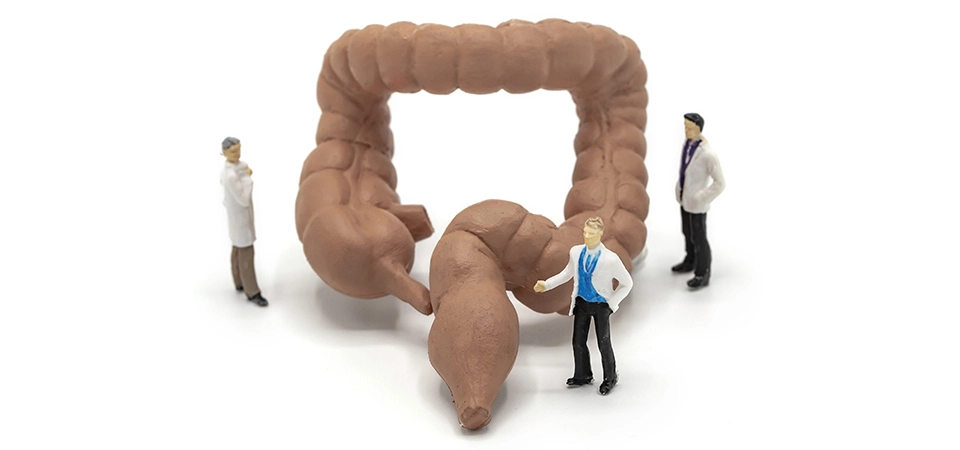
- A diet low in flour and sugar and rich in natural foods such as vegetables, fruit, meat, and eggs increases the protective capacity of the intestinal flora.
- Fermented products (pickles, yogurt, cheese, vinegar, salted foods) increase the probiotics present in the intestinal flora.
- Our daily fiber requirement is about 25-30 grams. To meet this, vegetables, fruit, whole grain products, and dried legumes should be eaten. The natural fiber they contain stimulates the beneficial bacteria in the gut, providing a prebiotic effect.
- The foods richest in probiotics are breast milk and yogurt.
- Since pasteurization largely destroys the probiotics in food, daily pasteurized bottled milk and yogurt made from it should be preferred, while long-life boxed products should be avoided.
However, correcting an already-disrupted intestinal flora using fermented products alone is nearly impossible. In cases of partial disruption, foods such as yogurt, kefir, pickles, and vinegar may somewhat delay further deterioration of the intestinal flora, but they cannot correct an already-disrupted bacterial flora (dysbiosis).
Prebiotics
Prebiotics are indigestible nutrients (for example: inulin, galacto- or fructo-oligosaccharides) that reach the colon unchanged. Digestion of these fibers by the intestinal flora stimulates the growth and activity of microorganisms.
 Prebiotics are fermentable, indigestible carbohydrates that increase the activity of non-harmful (non-pathogenic) colon bacteria and facilitate their colonization. Lactulose, a disaccharide, along with dried legumes containing inulin, oligosaccharides, maltose, soy, xylose, oligofructose, and galactose, are sources of prebiotic nutrients. One serving of leeks, one small banana, and one small onion and garlic together meet the daily prebiotic requirement. Breast milk is also a very important prebiotic due to the oligosaccharides it contains.
Probiotics
The word probiotic comes from the Greek, meaning "for life." According to the WHO (World Health Organization) and the FAO (United Nations Food and Agriculture Organization), probiotics are defined as: "Live microorganisms which, when administered in adequate amounts, confer a health benefit on the host."
Probiotics are a powerful support for weakened intestinal bacteria
 Probiotics contribute to the flora by improving the bacterial balance in the intestines, binding to receptors and leaving no room for pathogenic agents, and ensuring their elimination through the stool. The live bacteria used as probiotics need to be obtained from the intestinal flora itself, resistant to stomach and bile acids, able to adapt to intestinal cells, and capable of colonization. They are also expected to retain their effectiveness when taken together with antibiotics. Food sources rich in probiotics include fermented yogurt, cheese, pickles, bread, beer, red wine, and kefir, which contain lactobacilli, bifidobacteria, enterococci, and streptococci.
Probiotics have proven various health benefits. They help prevent the development of diseases caused by exogenous or endogenous factors and make the body more resilient against antibiotic use or stress.
Probiotic bacteria interact synergistically with the intestine's physiological flora. Probiotic bacteria have a positive effect on the organism's immune system by taking the place of harmful (pathogenic) bacteria and activating the immunological recognition mechanisms in the intestinal mucosa.
The mechanisms of this interaction are still not fully understood. Various clinical studies show that probiotics have a positive effect on the organism's health and on the intestinal flora.
Probiotics used as food supplements or medications must meet certain conditions. The microorganisms used must be a natural component of the physiological intestinal flora and must be able to survive passage through the stomach and intestines in order to reach the colon's epithelium.
 The most commonly used and best-known probiotics are various species of lactobacilli and bifidobacteria, belonging to the lactic acid bacteria group. In addition, Escherichia coli, Saccharomyces boulardii, and other bacteria are also used as probiotics.
An important point to note is that probiotics differ from one another in their properties. Their effect, or spectrum of effect, varies by species. This shows that not every probiotic has disease-preventing or therapeutic properties.
Every probiotic has a specific spectrum. For this reason, rather than using a single type of probiotic, one should take advantage of the synergy of various probiotics used together.
The Possible Effects of Probiotics
Scientific publications on the possible effects of probiotics have increased significantly in recent years.
The main positive effects demonstrated in these studies are as follows:
- Strengthening the barrier function of the intestinal mucosa, inhibiting or eliminating pathogenic microorganisms in the intestine
- Reducing the adhesion of foreign bacteria to the intestinal mucosa
- Preventing the proliferation of harmful bacteria
- Lowering intestinal pH
- Stimulating the immune system
- Anti-inflammatory effects (inhibition or modification of cytokine production)
- Stimulating intestinal peristalsis, facilitating carbohydrate breakdown, and providing better digestion through dietary fiber
- Facilitating the digestion of dairy products that are otherwise difficult to digest due to insufficient lactase enzyme.
Dr. Hüseyin NAZLIKUL, M.D., PhD.
President of IFMANT = International Federation of Medical Associations for Neural Therapy
President of the Scientific Neural Therapy Regulation Association