


Knee Pain and Restricted Movement: A Holistic Treatment Approach Addressing Local and Referred…

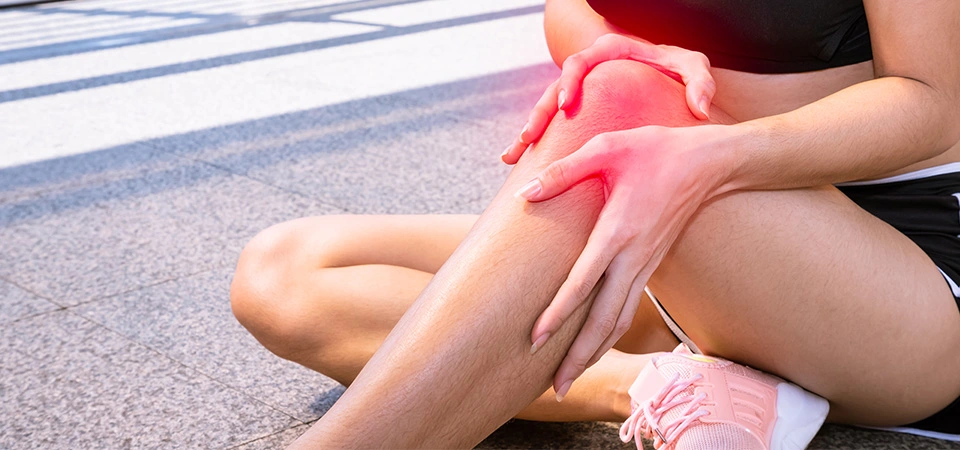
Knee pain and restricted movement are a common condition that limits people's daily activities. Although this condition is usually attributed to musculoskeletal causes, referred pain originating from internal organs, autonomic nervous system dysfunction, and viscerosomatic reflexes are also important underlying factors behind the pain. Because of the neural, fascial, and circulatory connections of the knee region, local treatment approaches alone may prove insufficient; therefore, a holistic evaluation is necessary.
In this article, the causes, diagnostic methods, and treatment approaches for knee pain and restricted movement are examined within the context of manual medicine, neural therapy, and regulation medicine.
Causes of Knee Pain and Restricted Movement
Local Musculoskeletal Problems
- Osteoarthritis: Pain and stiffness due to cartilage loss and inflammation in the knee joint.
- Meniscus Injuries: Meniscus tears can cause pain and restricted movement.
- Ligament Injuries: Anterior cruciate ligament (ACL) or collateral ligament injuries.
- Tendinitis: Quadriceps or patellar tendinitis causes pain at the front of the knee.
- Bursitis: Inflammation of the knee bursae can increase pain during movement.
Referred Internal Organ Problems
Knee pain can be associated with viscerosomatic reflexes originating from internal organs:
Internal Organs Associated with Knee Pain:
- Kidneys: Kidney stones or infection can cause pain referred to the knee region via the L2-L3 segments.
- Intestines: Colon dysfunction or irritable bowel syndrome can cause pain radiating to the lower extremity.
- Reproductive Organs: Ovarian cysts or endometriosis in women, and prostate problems in men, can cause pain referred to the knee region.
- Liver and Gallbladder: Can be associated with right lower extremity and knee pain.
Fascial and Neural Connections
Fascial Chains:
- The fascial connections surrounding the leg muscles and knee joint can transmit loads coming from the pelvis and lower back.
- Femoral and Sciatic Nerves:
- Compression of these nerves can cause pain and loss of function in the knee region.
Autonomic Nervous System Dysfunction
- Sympathetic Nervous System: Chronic stress and increased sympathetic activity can cause inflammation and circulatory disturbance in the knee.
- Parasympathetic Nervous System: Insufficient parasympathetic activity can lead to organ dysfunction and, indirectly, to knee pain.
Diagnosing Knee Pain and Restricted Movement
Clinical Evaluation
- Taking a History: The onset, duration, triggering factors, and referred pain symptoms are assessed.
- Physical Examination:
- The range of motion, stability, and muscle strength of the knee joint are evaluated.
- Fascial chains and segmental connections are examined by palpation.
Segmental Evaluation
- The spinal segments related to the knee (L2-L5, S1-S2) and the associated ganglia are evaluated.
Imaging Techniques
- MRI and CT: Used to evaluate intra-articular problems.
- Ultrasonography: Used to detect soft tissue injuries and bursitis.
Laboratory Tests
- Blood tests and biochemical analyses can be performed if internal organ disease is suspected.
Treatment Approaches for Knee Pain
Regulation with Neural Therapy
Neural therapy is an effective method for regulating the autonomic nervous system and viscerosomatic reflexes:
- Interference Field Therapy: Interference fields such as scars, chronic infections, and dental foci can increase the sympathetic load and cause knee pain. The effect of these fields is eliminated through local anesthetic applications.
- Segmental Neural Therapy: Applications targeting the L2-L5 and S1-S2 segments help regulate the viscerosomatic reflexes affecting the knee.
- Autonomic Nervous System Regulation:
- Stellate ganglion block or vagus nerve stimulation helps restore the sympathetic-parasympathetic balance.
Manual Medicine Approach
Manual therapy is an effective approach for correcting the mechanical and fascial dysfunctions behind knee pain:
- Joint Mobilization and Manipulation:
- Relieves restricted movement in the knee joint and reduces pain.
- Fascial Manipulation:
- Releases tension in the fascial chains, improving circulation and mobility.
- Muscle Relaxation Techniques:
- Relaxing the quadriceps, hamstring, and hip muscles can relieve pain.
Supportive Approaches with Regulation Medicine
- Anti-Inflammatory Nutrition:
- Omega-3 fatty acids, magnesium, zinc, and antioxidants reduce inflammation.
- Intestinal Health:
- Probiotic and prebiotic support is beneficial in cases of referred pain of intestinal origin.
- Lymphatic and Venous Drainage:
- Supporting lymphatic circulation helps reduce inflammation.
Exercise and Physical Rehabilitation
- Physical Exercise: The aim is to strengthen and improve the flexibility of the quadriceps and hamstring muscles.
- Postural Correction: The mechanical connections between the pelvis, lower back, and knee are regulated.
Psychological Support and Stress Management
- Stress Management: Sympathetic activity is reduced through meditation and mindfulness techniques, easing the perception of pain.
Nazlikul's Holistic Treatment Protocol
Patient Evaluation:
• Manual diagnosis, clinical examination, segmental evaluation, and autonomic nervous system analysis are performed.
Treatment Plan:
- Neural Therapy: Treatment of interference fields and segmental regulation.
- Manual Medicine: Joint mobilization, fascial manipulation, and muscle relaxation techniques.
- Regulation Medicine: Anti-inflammatory nutrition and intestinal health support.
Long-Term Support:
• Exercise, posture training, and stress management programs.
Conclusion
Knee pain and restricted movement are related not only to local mechanical problems but also to internal organ dysfunction, viscerosomatic reflexes, and autonomic nervous system dysfunction. Neural therapy, manual medicine, and regulation medicine offer effective treatment approaches for managing these complex relationships.
A holistic evaluation makes it possible to both address the causes of the pain and achieve long-term recovery. This is a critical approach for improving quality of life in individuals experiencing knee problems.
Dr. Hüseyin Nazlikul, M.D., PhD.
President of IFMANT, BNR, MTAR
Specialist in General Medicine - Medical Biophysics
President of IFMANT (International Federation of Medical Associations of Neural Therapy)
President of the Turkish Neural Therapy Society
President of the Turkish Manual Medicine - Pain Regulation Association
Hakkı Yeten Cad. Vital Fulya Plaza No:23 Kat:3 Fulya 34394 Şişli – Istanbul
Tel: 0 (212) 219 19 12 or 219 09 00 Fax: 0 (212) 219 18 38