

Circulatory Disorder: Causes, Symptoms, Treatment Circulatory disorders often go unnoticed by the…

ACUTE CIRCULATORY DISORDER
Acute circulatory disorder can occur without any prior symptoms. The cause is usually a blocked blood vessel. In this case, action must be taken very quickly. It is an emergency situation. Otherwise, the consequences can be life-threatening. An emergency physician or ambulance should be called immediately, because in this situation the risk of having a heart attack or stroke increases significantly. Immediate measures must also be taken against reduced blood flow.
THESE SYMPTOMS MAY BE SIGNS OF A VASCULAR BLOCKAGE:
- Numbness
- Pale skin in the affected area
- Inability to detect a pulse in the affected arm or leg
- Pain
- Decrease in body temperature in the affected area
WHAT DOES CIRCULATORY DISORDER MEAN?
A circulatory disorder occurs when blood vessels are not permeable enough to allow the necessary amount of blood to pass through, and the tissue surrounding an artery can no longer be supplied with sufficient oxygen and nutrients.
Circulatory disorders can damage organs and muscles. Circulatory disorders can occur in any area of the body. Because brain cells and heart muscle are particularly sensitive to insufficient supply, stroke and heart attack are feared.
Many older people also suffer from circulatory disorders in the extremities. Circulatory disorders in the legs, in particular, are common. The cause is usually arteriosclerosis (hardening of the arteries), which narrows the blood vessels.
An important distinction is which blood vessels are causing the circulatory disorder. If a vessel moving away from the heart, that is, an artery, becomes blocked, the consequences for the patient differ from those of a blocked vessel leading to the heart.
CIRCULATORY DISORDERS – SYMPTOMS
The first symptoms of a circulatory disorder are often overlooked. After all, even completely healthy people can occasionally have cold feet or hands. However, it should be noted that if symptoms occur increasingly often, there may be an underlying circulatory disorder. Medical advice should be sought if symptoms are persistent or recurring. Signs of a circulatory disorder or an occlusive disease may include:
- Pale areas of skin
- Delayed wound healing
- Numbness
- Cold extremities
- Pain
- Inability to detect a pulse
- Limited endurance while running
ARTERIAL CIRCULATORY DISORDERS
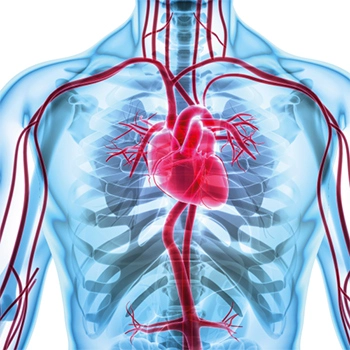 If the arteries show narrowing or even blockage, this is referred to as arterial occlusive (embolic) disease. Patients suffer from insufficient tissue supply beyond the affected blood vessels.
Chronic arterial occlusion usually develops from progressive arteriosclerosis (hardening of the arteries). Blood flow is increasingly obstructed by deposits in the arteries.
It is initially asymptomatic (stage I) and later presents with typical symptoms. Due to insufficient blood circulation, the leg muscles tire very quickly and begin to hurt (stage II). Those affected have to take short breaks while walking (for example, in front of shop windows on the street) before continuing. Based on these findings, the doctor diagnoses peripheral artery disease (PAD). As PAD progresses, symptoms occur at rest. In stage IV PAD, the arteries become completely blocked. If left untreated, superficial tissue areas on the leg die. Ulcers and non-healing open wounds may form. If it worsens further, there is a risk of amputation of the leg.
The legs are not the only area affected by PAD. Peripheral artery disease can also occur in the arms or hands. Internal organs often suffer from insufficient or inadequate blood circulation due to arterial occlusive disease. This is later diagnosed as coronary artery disease, in which the heart muscle cannot be properly supplied with blood. Vascular blockages can also occur in the brain or other organs. In mild cases, the body can take over the supply by forming new blood vessels.
VENOUS CIRCULATORY DISORDERS
The blood vessels returning to the heart can also have insufficient permeability or can be completely blocked. In that case, it is not only the reliable removal of metabolic products from cells that is at risk. Thrombosis can also develop in narrowed vessels. A blood clot becomes trapped and blocks blood flow (embolism). Thrombosis usually occurs in the legs or arms. As a result, the limbs swell and become very sensitive to pressure. In some cases, the affected area shows symptoms resembling inflammation, such as redness and warmth.
In the case of thrombosis, it is very important to consult a doctor or go to the hospital. The blood clot in the vessel can loosen, circulate through the body, and lodge in vital organs such as the lungs.
CIRCULATORY DISORDER - CAUSES
In addition to arteriosclerosis and embolism, vascular inflammation can also cause circulatory disorders. Vasculitis can result from injuries to the blood vessels or from the harmful effects of medications. In some patients, vascular inflammation is the result of an autoimmune disease. Certain risk factors increase the likelihood of a circulatory disorder.
RISK FACTORS FOR THE DEVELOPMENT OF CIRCULATORY DISORDERS:
- Smoking
- Obesity
- Sedentary lifestyle
- Diabetes
- High blood pressure
- Unbalanced and unhealthy diet
- High cholesterol
- Cardiovascular diseases
CIRCULATORY DISORDER - DIAGNOSIS
 If a circulatory disorder is suspected, the doctor will ask about symptoms and inquire about prior illnesses. Diseases of the cardiovascular system and metabolic diseases are particularly important here. If there is a circulatory disorder in the extremities, blood pressure is measured on both sides of the body to determine differences between the affected and healthy sides. If necessary, measurements are also taken from the upper arm and lower leg to calculate the ankle-brachial index (Doppler index).
In the next step, the doctor usually draws blood to check clotting factors, enzymes, cholesterol, and blood sugar levels. Using Doppler sonography (ultrasound), the direction and speed of blood flow is observed. Oscillography shows whether the pressure differences caused by the pumping of the heart muscle through the vessels are still sufficiently pronounced. Diseased blood vessels can be shown on an X-ray image using angiography. This way, a narrow point (stenosis) can be clearly identified. A stress measurement, if possible, is also helpful. This shows the severity of the disease along the route where the patient can walk pain-free at a certain speed.
CIRCULATORY DISORDER - TREATMENT
Acute circulatory disorders are medical emergencies. For this reason, treatment is urgently needed. Various surgical procedures are possible.
An existing blood clot can be removed under local anesthesia (embolectomy). In addition to surgical removal of the vascular blockage, other treatment methods are also available. Medications that use blood thinners to dissolve the clot can open the vessels. In vascular dilation, a narrowed blood vessel is mechanically stretched with a balloon catheter and usually kept open with a support (stent).
MEDICATION THERAPY
In addition to agents that promote blood circulation, medications and nutritional supplement support products that relieve the symptoms of circulatory disorder are used.
EXERCISE THERAPY
Light physical activity such as walking, swimming, and cycling improves oxygen supply to the entire body. Physical exercise and targeted physiotherapy encourage the organism to form new blood vessels, which can partially take over the supply of tissues affected by circulatory disorder.
WHAT CAN YOU DO YOURSELF AGAINST CIRCULATORY DISORDERS?
Sports that a person can do without overexertion can help improve blood flow to the affected areas of the body. Cycling, swimming, and walking are recommended. Excess weight should be reduced as much as possible. Smoking should be avoided entirely, because nicotine and cigarettes lead to circulatory disorders. Healthy and balanced nutrition is also important. High blood lipids can have a negative effect on the disease. In cases of fat and carbohydrate metabolism disorders or high blood pressure, the doctor's recommendations should be followed meticulously.
ACUPUNCTURE FOR CIRCULATORY DISORDERS
Acupuncture is thought to have a circulation-promoting effect. In this respect, treatment with fine needles may have a positive effect on the development of circulatory disorder.
NEURAL THERAPY FOR CIRCULATORY DISORDER
In the neural therapy approach, the body is not viewed as an organism made up of the sum of individual organs. Because in the wholeness and regulation approach, in addition to each organ working correctly on its own, their relationships with one another, the body's energy, and the person's psychological and social state are also important.
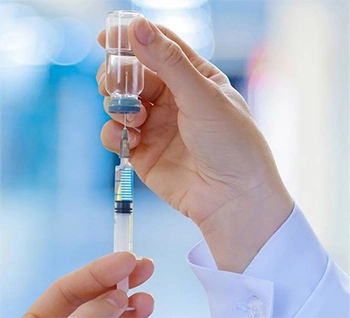 For this reason, in neural therapy, based on the regulation approach, the real functionality of the connective tissue that forms the main axis, and of the Autonomic Nervous System — or, synonymously, the Vegetative Nervous System (VNS), which regulates all functions of the body — is evaluated as a whole, and diagnosis and treatment are carried out within this context.
Because neural therapy contributes to the circulation (arterial, venous, and lymphatic) and to anti-inflammation, and removes blockages formed in the organism, it is successfully applied not only in acute but also in chronic disease treatment.
There are two main local anesthetic products used in neural therapy. These are Procaine and Lidocaine. One of the most effective and well-known properties of neural therapy is that it positively corrects circulation. It has the property of causing dilation or constriction of blood vessels, especially the sympathetic nerve vessels, of the vegetative nervous system, which surrounds our arteries and veins like a network. Neural therapy is specifically the name of the method that breaks the increased tone and pressure that has developed on the sympathetic nerve.
Procaine is the agent we prefer most in neural therapy applications.
Local anesthetics also have other positive properties, such as regulating bronchial activity and circulation, increasing blood supply, and being anti-inflammatory, antibacterial, antifungal, analgesic (for acute and chronic pain), antitumor, neuroprotective, antithrombotic, antiepileptic, antiarrhythmic (in ventricular arrhythmias), and vasodilatory.
Due to these effects of local anesthetics, their use for various purposes, both in treatment and in preventive medicine — for disease prevention, strengthening the immune system, and anti-aging effects — has increased in recent years.
LET ME TAKE THIS OPPORTUNITY TO ANSWER QUESTIONS I AM FREQUENTLY ASKED ON THIS TOPIC.
HOW DOES A CIRCULATORY DISORDER DEVELOP?
Usually, a blood clot that obstructs blood flow causes a narrowing in a vessel or artery. The area behind this blockage in the artery no longer receives sufficient blood supply. Blood can no longer flow properly. More rarely, circulatory disorders can also result from vascular spasm or vascular inflammation. Circulatory disorders should be treated immediately to avoid secondary damage.
HOW DO YOU RECOGNIZE A CIRCULATORY DISORDER?
Symptoms of an arterial circulatory disorder are pale skin, numbness, cold extremities, a barely detectable pulse, and pain. Fingertips or toes may take on a bluish color. If an infection is also present, the skin is usually reddish in color. Pain decreases when the arm or leg is raised.
WHY CAN DIABETES LEAD TO CIRCULATORY DISORDERS?
Diabetes mellitus damages the walls of blood vessels. This applies both to fine capillary vessels and to the large vessels of the heart. Blood clots can then form more easily in narrowed vessels and arteries, further obstructing blood flow. Circulatory disorders occur as a result.
DOES PHYSIOTHERAPY HELP AGAINST CIRCULATORY DISORDERS?
Regular exercise reduces the risk of circulatory problems. Active physiotherapy and endurance sports that a person can do without overexertion are therefore beneficial. A targeted exercise program can produce a visible improvement in insufficient blood flow in the presence of circulatory disorders. Certain movement sequences stimulate the formation of new blood vessels in the organism.
WHICH SPECIALTY SHOULD YOU SEE IF YOU HAVE A CIRCULATORY DISORDER?
If you have a mild circulatory disorder, you should consult your family physician as soon as possible. In the case of acute vascular occlusion, the risk of life-threatening consequences is high. The physician to be consulted in this case is usually a vascular surgeon, an internal medicine specialist, or an angiologist.
Sources Consulted:
• Nazlikul, H: Neural Therapy Textbook
• Nazlikul, H: Neural Therapy – Another Treatment Is Possible
• H. Barop’s Neural Therapy Atlas (Translator: H. Nazlikul)
• L. Fischer’s Neural Therapy Book (Translators: H. Nazlikul and Y. Tamam)
• James W. McNabb, Joint and Soft Tissue Injections (Translators: H. Nazlikul and Y. Tamam)
• Weinschenk, S: Neuraltherapie
• Fischer, L et al.: Lehrbuch Integrative Schmerztherapie