


Protecting and Supporting Joint Health: Nutrients, Treatment Methods, and the Role of Exercise.…

Introduction
Joint health is critically important for daily mobility and comfort. Factors such as aging, poor posture, overloading, inflammation, or trauma can negatively affect joint health. A multidisciplinary approach is required to protect joint health and treat existing problems. This article examines the role of nutrition, manual therapy, neural therapy, and exercise in protecting and treating joint health.
1. The Importance of Vital Nutrients and Dietary Supplements
Certain nutrients and supplements are quite beneficial for protecting joint health and cartilage tissue:
1.1 Chondroitin Sulfate and Glucosamine
• Chondroitin sulfate and glucosamine are fundamental molecules that support the structural integrity of cartilage tissue and increase the production of joint fluid. These components can slow the progression of degenerative joint diseases such as osteoarthritis.
• Dosage: 800-1200 mg of chondroitin and 1500 mg of glucosamine per day may be recommended.
 1.2 Rosehip (Rosa canina)
• Thanks to its antioxidant properties, rosehip can reduce joint inflammation and protect cartilage tissue.
• Studies show that regular rosehip consumption can reduce pain in osteoarthritis.
1.3 Curcumin (Turmeric Extract)
• Curcumin has powerful anti-inflammatory properties and is effective in reducing joint pain.
• It is recommended to take it together with piperine (black pepper extract) to increase bioavailability.
1.4 SeC (Selenium and Vitamin C Combination)
• Selenium reduces oxidative stress in the joints, while vitamin C supports collagen synthesis. Collagen is one of the fundamental building blocks of joint ligaments and cartilage tissue.
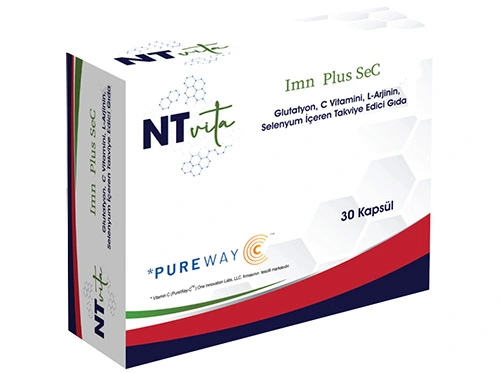 1.5 NTVita Imm Plus
• NTVita Imm Plus can help bring inflammatory processes in the joints under control by supporting the immune system. The zinc, vitamin D, and omega-3 fatty acids it contains contribute to joint health.
1.6 Other Supports
• Hyaluronic Acid: Increases the viscosity of joint fluid and reduces friction.
• MSM (Methylsulfonylmethane): Reduces inflammation and supports connective tissue.
2. Exercise and Mechanical Support
2.1 Cartilage Tissue and Exercise
• Since cartilage tissue has no blood vessels, it is nourished by joint fluid. For this reason, regularly moving the joints is important for nourishing the tissues and keeping them healthy.
• Low-impact exercises (such as swimming, yoga, and cycling) provide support without placing excessive load on the cartilage.
• Strengthening exercises improve load distribution by strengthening the muscles surrounding the joints.
2.2 Manual Therapy and Mobilization
• Manual therapy is an effective method for increasing joint range of motion, releasing muscle spasms, and correcting biomechanical imbalances.
• Mobilization techniques relieve pain and improve function by correcting mechanical problems between joint surfaces.
• Fascial therapy and manipulation methods, in particular, play an important role in relieving tension and restricted movement in the joints.
3. The Role of Neural Therapy in Joint Health
 3.1 The Effect of Interference Fields (Störfeld)
• A factor often overlooked in joint problems is interference fields. For example, dental problems, old trauma, or scar tissue can trigger joint problems by causing neurovegetative dysfunction in the related segments.
• Neural therapy relieves joint pain and reduces inflammation by treating these interference fields with local anesthetics.
3.2 Regulation of the Autonomic Nervous System
• Chronic stress and excessive activity of the sympathetic system can play a role in joint pain. Neural therapy can ease symptoms by correcting these imbalances in the nervous system.
3.3 Areas of Treatment
• Intra-articular injections, viscosupplementation (hyaluronic acid), segmental injections, and scar tissue treatment are areas where neural therapy is used for joint health.
Conclusion
A holistic approach is essential for protecting joint health and treating existing problems. Nutritional support, regular exercise, manual therapy, and neural therapy all provide important contributions to this process. The combination of these methods can reduce inflammation, ease pain, and improve joint function. Creating an individualized treatment plan allows for better results to be achieved in the long term.
Dr. Hüseyin Nazlikul
President of BNR and IFMANT