


Fructose sensitivity - Fructose is found in fruits and is known as "fruit sugar."

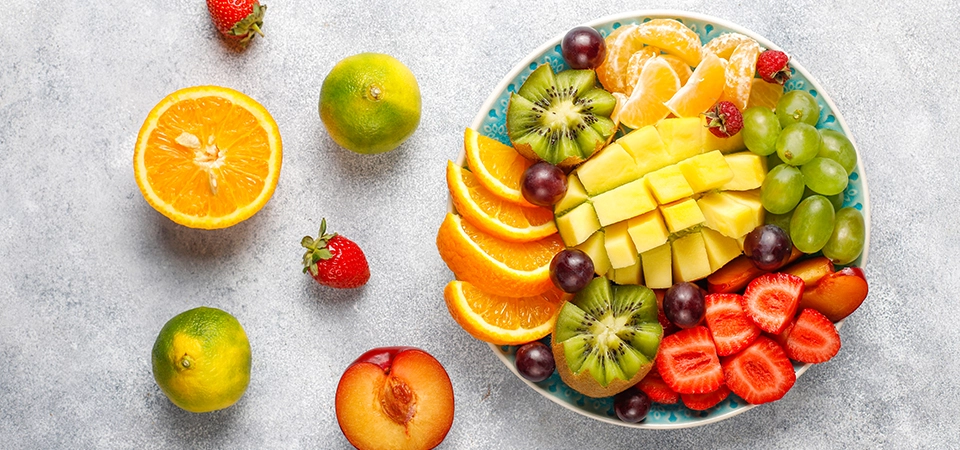
Honey, molasses, grapes, tree fruits, the melon-watermelon family, and berry fruits contain fructose in abundance. However, fructose is found not only in fruit but also, in particular, in some root vegetables. It is a natural sugar found in varying amounts in every fruit and vegetable. It is stored more slowly than glucose. In particular, when equal amounts of fructose and glucose are consumed, blood sugar levels rise faster in those who consume glucose.
There are two commonly used types of fructose: crystalline fructose and corn syrup. These two types of fructose are often mistakenly believed to be the same product. Crystalline fructose is a monosaccharide product produced from a fructose-rich type of corn syrup and contains only fructose, whereas high-fructose corn syrup is a disaccharide obtained by mixing glucose and fructose.
 Fructose is a sugar frequently claimed to cause, or be capable of causing, health problems. The liver has a tendency to constantly convert fructose into fat. In addition, fructose produces effects in the human body similar to the damage caused by alcohol products.
Why and How Does Sensitivity to Fructose Develop?
Fructose sensitivity — the inability to make fructose absorbable and digestible — is a treatable condition, often overlooked, that rarely develops congenitally (familial, hereditary) and more commonly develops due to gut flora imbalance.
Under normal conditions and within a healthy diet, we consume an average of 50 grams of fructose per day. However, in people with sensitivity, fructose, which is digested with difficulty, passes from the intestines into the blood only very slowly. The use of unabsorbed fructose remaining in the intestines by bacteria causes gas and acid formation, resulting in abdominal pain and diarrhea. Many foods contain, alongside fructose, an alcohol called sorbitol, and sorbitol, like fructose, is also difficult to absorb — in fact, it makes the absorption of fructose by tissues even more difficult. For this reason, foods containing both substances (e.g., pear, plum) cause sensitivity complaints to occur more frequently.
Clinical Findings in Fructose Sensitivity
 The most common clinical complaints in fructose sensitivity that develops later due to gut flora imbalance are:
- Excessive gas formation
- Intestinal cramps
- Irregular bowel movements
- Weakness
- Abdominal pain
- Concentration problems
- Fatigue
Diagnosis of Fructose Sensitivity
As with lactose intolerance, the diagnosis of fructose sensitivity is made through food and gut flora analysis. For this, the methods we commonly use are frequency comparison tests and holistic diagnostic methods.
Treatment of Fructose Sensitivity
In treatment, fructose consumption should first be restricted. Otherwise, mucosal damage — particularly in the small intestine, which is highly sensitive to fructose — can continue and become inflammatory. While 50 grams of fructose is normally consumed per day, this amount should be reduced to 20-25 grams daily in those with fructose sensitivity. Although an average fructose restriction period of two weeks is considered sufficient, ideally this period should be determined individually and dynamically, based on follow-up testing after diagnosis. Supporting the gut flora and providing intestinal nourishment through neural therapy are two other important pillars of treatment. Once the sensitivity is found to have resolved, the daily amount of fructose should be increased over time, carefully and slowly — much like the care taken when introducing infants to solid food.
In order to restrict fructose, it is essential to know which foods contain how much fructose.
Fructose-free foods:
- Milk, unsalted white cheese, cheese
- Eggs, red meat, fish, chicken
- Oil, margarine, vegetable oils
- Starch, rice, pasta
- Pastries such as white bread, cake, and buns (that do not contain glucose)
- Potatoes
- Spices
- Coffee, tea (excluding fruit teas), water
- Glucose, calorie-free sweeteners
Fruits containing fructose (g / 100 g):
- Grapefruit, quince, green currant: 0.25
 Orange, apricot: 4.3
- Sour cherry: 4.5
- Kiwi: 4.7
- Peach, tangerine: 4.9
- Plum: 5.1
- Damson plum: 5.5
- Melon, cherry: 6.1-6.2
- Pineapple, yellow plum: 6.4-6.6
- Mango: 7.1
- Apple: 7.5
- Grape: 7.9
- Rosehip: 8.1
- Banana: 8.6
- Pear: 9.8
- Dried fig, plum, apricot: 24-26
- Raisins: 32
- Dried apple: 38
Attention: Hidden Fructose (g / 100 g)!
- Sweets (candy) 30-95
- Household sugar 50
- Chocolate 20-30
- Diet jams, hazelnut/nut butter 25-50
- Ice cream 7.5
- Ketchup 12
- Tomato paste 6.5
- Salad dressings, grill sauces 2-4
- Beef 2.6
- Mustard, vinegar 0.3-0.4
Dr. Hüseyin NAZLIKUL, M.D., PhD.
IFMANT = President of the International Federation of Neural Therapy
President of the Scientific Neural Therapy Regulation Association