


What is gluten? Gluten is a wheat protein that, in recent years, has become more talked about for…

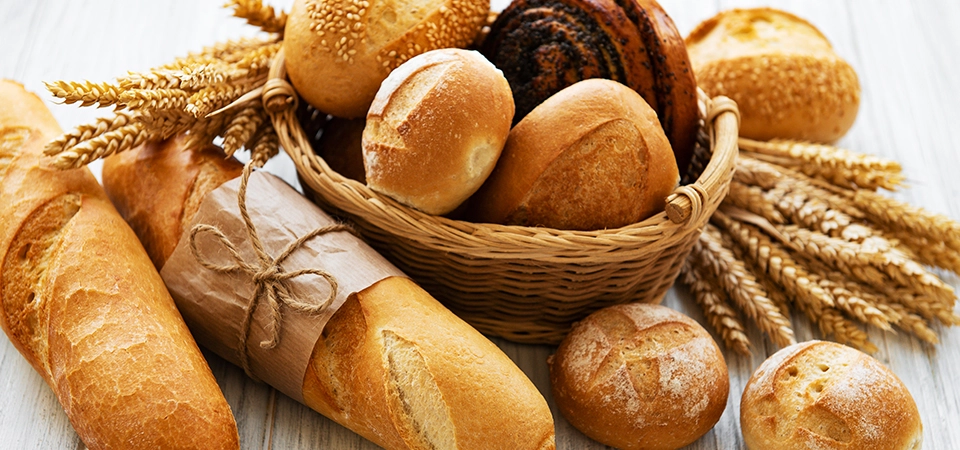
Wheat contains approximately 30 different types of protein, of which only two (glutenin and gliadin) form the elastic substance known as gluten when mixed with water. On its own, gluten is a substance resembling chewing gum. When wheat flour is mixed with water and kneaded, these two proteins retain water and bond together to form elastic gluten chains. Gluten is responsible for the dough's strong structure, its web-like structure. Without gluten, the desired dough structure cannot form and bread cannot rise. Gluten, the substance that gives baked goods their structure, is also found in other grains such as rye, barley, and oats.
Gluten is a mixture of a series of different proteins, and one of these proteins is gliadin. Gliadin is the main problem in both celiac disease and gluten sensitivity.
Today, celiac disease and gluten sensitivity are very often confused. Yet these two conditions are completely different from each other. Let's examine what these two clinical pictures are:
1. Celiac Disease
In this disease, antibodies (defense substances the body produces against substances it considers foreign) are produced against the gliadin protein found in gluten. Because the body's own immune system causes the damage, it is considered an autoimmune disorder. This disease causes damage in the small intestine as the inflammation caused by antibodies developing against gliadin disrupts the structures called villi, which enable absorption in the intestines. When these patients eat foods containing gluten, the villi, particularly in the small intestine, disappear, flatten, and become unable to perform their function. The main task of the villi is to absorb the nutrients taken in. However, no matter how much a person eats, absorption cannot occur fully because the villi are damaged by contact with gluten, and the person cannot be properly nourished. Its persistence causes damage to the intestinal lining. The small intestine thus becomes unable to carry out its digestive and absorptive function, and many nutrients — primarily dietary fats and fat-soluble vitamins — are only partially absorbed and digested. The result of this is an increase in fatty stool and fatty diarrhea.
 Celiac disease is a genetic illness. Sometimes the illness can be triggered after any surgery, pregnancy, childbirth, a viral infection, or severe emotional stress, and can appear at any point in life. Even though the mechanism of the illness has not yet been sufficiently explained, it is known that following a regular diet and neural therapy will be beneficial.
The duration of breastfeeding and the age at which gluten-containing foods are first introduced are the two main factors affecting the time of onset of gluten enteropathy. In those who are breastfed for a long time and who are introduced to gluten later, the illness appears at a later age.
Symptoms may or may not be present in the digestive system. For example, while one person may have diarrhea and abdominal pain, another may have excessive irritability, anger, or depression. There is no typical celiac patient with all symptoms. Patients can range from a period with no complaints at all to severe cases with severe gas, bloating, diarrhea, or weight loss due to malabsorption. The common symptoms of the illness between these two extremes are as follows (one or more of the symptoms below may occur together):
- Pale and foul-smelling stool, fatty stool, chronic diarrhea
- Sores in the mouth (canker sores), dental disorders, or enamel loss
- Painful skin condition (dermatitis herpetiformis), tingling in the skin, numbness and discoloration, itching
- Numbness and tingling in the legs (due to nerve damage)
- Headache, joint pain, bone pain, frequent recurring abdominal pain
- Growth and developmental delays and behavioral changes
- Gas, bloating, edema, weakness, fatigue, muscle cramps
- Weight loss, vitamin deficiencies, iron deficiency anemia
Diagnosing the disease is not very easy. Because its symptoms are very similar to the symptoms of other intestinal diseases (Crohn's disease, ulcerative colitis, intestinal infections, chronic fatigue syndrome, etc.). In celiac disease, detecting in the blood the special antibodies our immune system produces against gliadin is very meaningful for diagnosis. These are: anti-gliadin, anti-endomysial, and anti-reticulin antibodies.
If test results and clinical symptoms point to celiac disease, an intestinal biopsy can be performed for a definitive diagnosis. If a person notices several of the findings in themselves, a significant improvement in their complaints after avoiding gluten-containing foods for a 2-week period can give an indication of whether the disease is present.
A gluten-free diet means avoiding and not consuming any food containing gluten. With a gluten-free diet, symptoms of the disease will stop in many people, healing will occur in the damaged parts of the intestines, and further damage will be prevented. Improvements begin within the first days of starting the diet, and the small intestine usually heals completely. This means that within three to six months, the villi are as if they were never damaged and function normally. This period can extend up to two years for adults. If a person responds to a gluten-free diet, the doctor will know that the diagnosis of celiac disease is certain. In very rare cases, if villus damage is very advanced, a person may not respond to a gluten-free diet.
In treating celiac disease, the results we achieve with regulation of the gut flora and neural therapy, alongside a gluten-free diet, are much faster and more effective than those achieved with diet alone.
2. Gluten Sensitivity
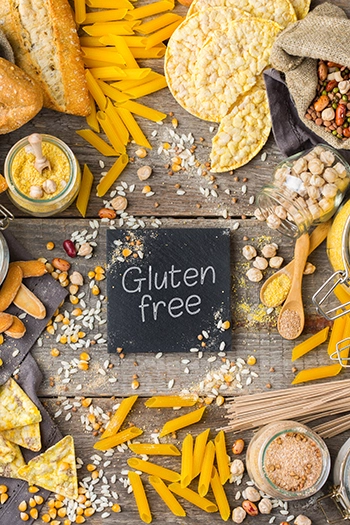 In cases where the gut flora is severely disrupted, sensitivity to gluten can occur due to permeability damage in the intestinal mucosa, without any villus damage or antibodies against gliadin (anti-gliadin, anti-endomysial, anti-reticulin).
The intestines have difficulty digesting products containing gluten. This is a temporary food sensitivity picture that is often clinically confused with celiac disease. It is a condition treated by supporting the gut flora, regulating nutrition, and following a controlled diet. As a treatment method that also increases nourishment of the intestines, neural therapy is an effective method in treating gluten sensitivity, just as it is in celiac disease.
While it is sufficient to follow a gluten diet in gluten sensitivity until improvement occurs, in celiac disease, even if there are no flare-ups and the villi have healed, the person must continue eating gluten-free for life.
We believe the reason gluten sensitivity is seen so frequently today is that the wheat we use has had its genetics tampered with. For this reason, while wheat was held in high regard until recently, today we physicians, who can view health holistically, tell all our patients "stay away from wheat."
"The less grain, the more health."
GLUTEN-FREE DIET
A gluten-free diet is a way of eating in which the foods consumed contain no gluten at all. This is not an approach that looks easy at all. But our experience shows that the more severe a person's existing complaints are as a result of celiac disease or gluten sensitivity, the easier it is for them to adhere to this strict diet.
Gluten is present in wheat, barley, rye, and oats, and in all foods made from the flour of these grains (bread, cake, savory pastries, buns, baklava, biscuits, and pastries), as well as in barley and semolina. There is disagreement regarding whether celiac patients should avoid or stay away from oats.
What can people who need to follow a gluten-free diet eat?
Among grains, they can eat rice, corn, buckwheat, potatoes, quinoa, and wild rice, along with the flours of these grains and products made from them. Today, the availability of gluten-free grain flours has made life easier for celiac patients. However, I want to underline the following distinction here. If a person has gluten sensitivity, since the gluten-free diet will continue for a certain period, being as strict as possible in their diet and staying away from products labeled "gluten-free" too will speed up the healing of the gut flora and mucosa. But if the person is a celiac patient and the gluten-free diet will last a lifetime, they can choose products made from gluten-free grain flours to add variety to their diet.
In addition, researching gluten and learning which foods contain gluten should become a natural habit for celiac patients. These patients need to learn which foods are safe and which exceed the limits.
Below you will find a list of foods that are free and forbidden on a gluten-free diet. It is important for celiac patients in particular, and for everyone with gluten sensitivity, to know this list.
Foods Allowed on a Gluten-Free Diet
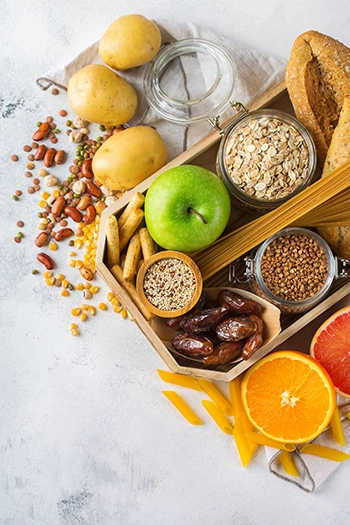 Beverages: Coffee, tea, ayran (yogurt drink), rosehip tea, linden tea, unmalted beverages (some wines, rum)
Milk: Fresh, condensed, or pasteurized milk, powdered milk, curd, yogurt, creams
Meat, Fish, Poultry: Fresh meat, fish, other seafood, and poultry
Cheese: White cheese, kashkaval cheese, pasteurized cheeses, cream cheeses, all aged cheeses
Potatoes and other starchy foods: Potatoes, rice, gluten-free noodles
Grains: Corn, rice, and products made from them (popcorn, cornflakes, etc.)
Breads: Breads made only with permitted flours (such as corn bread, buckwheat bread)
Flours: Corn flour, buckwheat flour, quinoa flour, potato flour, rice flour, soy flour, hazelnut and walnut flour, bean and lentil flour, and the starches of all of these, all flours from which gluten has been removed
Vegetables: All vegetables, beans, lentils, and other legumes
Fruits: All fruits, all fresh fruit juices
Fats: Butter, olive oil, hazelnut, peanut, and similar oils
Soups: All homemade soups without flour additives
Sweets: Honey, jam, sugar, chocolate, pudding, rice pudding, and other flour-free sweets
Other: Salt, pepper, mint, ginger, cinnamon, baking soda, apple cider vinegar, grape vinegar, dry mustard, olive oil, paprika, tomato purée
Foods Not Allowed on a Gluten-Free Diet
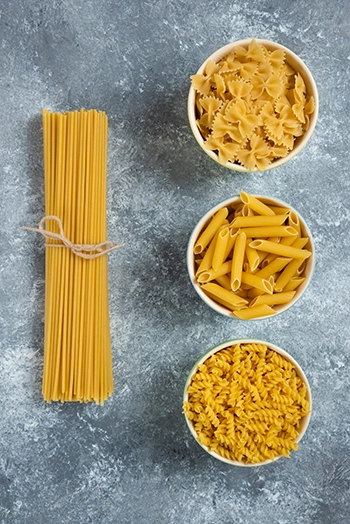 Beverages: Malted milks, beer, gin, whiskey, additive-containing coffees, some herbal teas (containing gluten)
Milk: Malted milks, commercial chocolate milks, creams of unknown origin
Meat, Fish, Poultry: Meat, fish, etc. prepared with flour-containing ingredients
Cheese: Cheeses containing grain products
Potatoes and other starchy foods: All types of pasta, noodles
Grains: Wheat, barley, rye, oats, bran, bulgur, millet
Breads: All breads containing white flour, whole wheat, barley, rye, oat, millet, or bulgur flour
Flours: Wheat flour, barley flour, rye flour, oat flour, millet flour
Vegetables: Vegetables prepared with gluten-containing sauces
Fruits: Some commercially concentrated fruits and fruit juices, some fruits dried with flour additives
Fats: Some commercial salad oils
Soups: Tarhana, noodle soup, tripe soup — in short, all soups made from flour-based products or containing flour additives, and instant soups
Sweets: Baklava, revani, flour halva, tulumba, şöbiyet, etc.
Other: Tomato paste, ketchup, horseradish, yeast, brewer's yeast, some distilled grape vinegars
There are some foods that may contain gluten in their ingredients — caution and research are needed.
- Flavor and spice blends
- Starchy foods
- Foods containing plant protein
- Products such as salami and sausage
- Sauces
- Fish products
- Light/diet products
- Ready-made foods
- Canned goods
- Sweets
Dr. Hüseyin NAZLIKUL, M.D., PhD.
IFMANT = President of the International Federation of Neural Therapy
President of the Scientific Neural Therapy Regulation Association