


Inflammatory Bowel Disease: Regulation Medicine, a Holistic and Neural Therapy Approach The term…

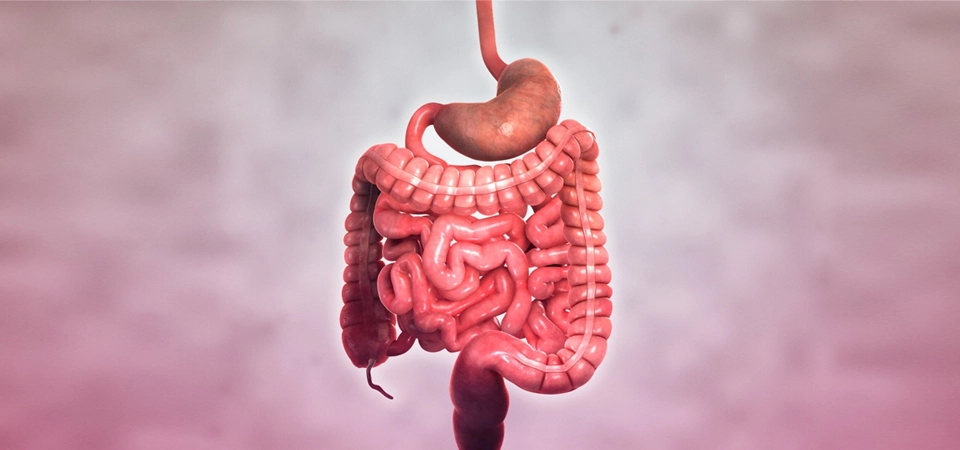
Common symptoms include diarrhea, blood loss in the intestines, and abdominal pain. However, the two diseases can usually be distinguished. The cause is a "dysregulation" of the mucosal immune system. This is now seen as an inadequate response to bacterial invasion when the chemical mucosal barrier is defective
Inflammatory Bowel Diseases (IBD) are systemic chronic diseases that affect the gastrointestinal system, whose etiology is not fully known, and which significantly affect patients' quality of life.
The pathogenesis of IBD is multifactorial and still not fully explained. A better understanding of the mechanism of tissue damage and molecular mediators has shown that genetic, infectious, immunological, and inflammatory factors are important in the pathogenesis of the disease.
Inflammatory Bowel Disease (IBD) is a chronic disease characterized by intestinal inflammation triggered by hard-to-heal mucosal ulcerations of the gastrointestinal tract.
IBD is a systemic disease with very serious effects on the gastrointestinal system that negatively affects the patient's quality of life. It is a group of diseases that can affect the entire digestive system, from the mouth to the anus, and can cause significant mortality and morbidity. The forms of IBD that most affect people are grouped under two headings: Ulcerative Colitis (UC) and Crohn's Disease (CD).
Crohn's Disease and Ulcerative Colitis: Differences
Crohn's disease can affect the entire digestive system from the mouth to the anus, while ulcerative colitis is limited to the large intestine. In ulcerative colitis, inflammation begins in the rectum (the rectum is the 20 cm-long section of intestine just before the anus), and as the disease progresses with its recurring (intermittent) course, it continuously spreads to the rest of the colon — a pattern that can easily be recognized with colonoscopy.
The preferred location for Crohn's disease is the transition zone between the small and large intestine. Another term for Crohn's disease is therefore terminal ileitis. This is because the lowest part of the small intestine is called the ileum, and the very last part of the ileum before it transitions to the large intestine is called the terminal ileum. The ending in the term ileitis indicates inflammation. (Examples: arthritis (joint inflammation), bronchitis (inflamed bronchi), gastritis (inflammation of the stomach lining), etc.).
In Crohn's disease, inflammation can also occur simultaneously in several sections of the digestive system. Often, the terminal ileum and rectum become inflamed at the same time.
Crohn's disease affects all layers of the intestinal wall. In ulcerative colitis, only the inner layer of the mucous membrane (large intestine wall) is affected. Both diseases can sometimes reach alarming rates and in some cases significantly affect the lives of those affected.
Diagnosis of Inflammatory Bowel Disease
When diagnosing inflammatory bowel disease, other intestinal diseases such as bacterial or viral intestinal inflammation, food intolerance, food allergies, or irritable bowel syndrome must first be ruled out.
There is no single examination method for diagnosing chronic inflammatory bowel disease.
- Case history: A detailed case history (questioning, including family medical history) and physical examination are therefore very important.
- Allergy and food intolerance tests.
- Blood test / blood count: Inflammation values in the blood (CRP value, sedimentation rate, white blood cell count).
- Stool examination
- Ultrasound: On ultrasound, you can see whether the intestinal wall has thickened (leading to narrowing) and determine which sections of the intestine are affected.
- Gastroscopy and colonoscopy/endoscopy, with or without biopsy
- MRI and CT: MRI (magnetic resonance imaging) can also be used for diagnostic purposes. CT (computed tomography) is not recommended, in order to protect patients from increased radiation exposure.
- X-ray can only be used if a toxic megacolon is suspected (see the next section).
Classical Treatment of Inflammatory Bowel Disease (IBD)
The goal in treating IBD is to improve clinical laboratory values, mucosal condition, and quality of life. Conventional treatment is not sufficient to correct disease-related complications. For this reason, new treatment modalities should be started as early as possible.
From a modern medical perspective, inflammatory bowel diseases are today generally accepted as autoimmune diseases. This means: certain parts of the immune system attack the body's own tissue, in this case the intestinal mucosa/intestinal wall.
The classical approach mainly includes:
- Nutritional Therapy
- Medical Therapy
- Surgical Therapy
A Holistic Regulation Medicine Approach Is Needed for Chronic Inflammatory Bowel Disease
The Regulation Medicine approach and holistic measures can generally relieve the symptoms of inflammatory bowel disease and prolong symptom-free phases, so they should always be used together. In some cases, particularly with combinations involving neural therapy, patients have become permanently symptom-free, which can be described as having been cured.
In order to find the correct individual solution, it is also important to look at the possible causes of inflammatory bowel disease. Because in the Regulation Medicine approach, holistic healing is best achieved not by suppressing or treating symptoms, but by eliminating the causes.
The possible causes above result in the following initial measures for relieving chronic inflammatory bowel diseases, namely:
- Good stress management
- Avoid things that could harm the gut flora or gut mucosa (unhealthy diet, alcohol, sweets, smoking, antibiotics, etc.)
- Avoid plasticizers
- Take vitamin C and vitamin D as needed
- Check for and correct nutrient deficiencies
- Check for possible mercury contamination and, if necessary, eliminate mercury (or other heavy metals); consult a dentist (for amalgam fillings) and/or an environmental physician
Treatment of Inflammatory Bowel Disease with Neural Therapy
If a person is unresponsive to medical treatment, IBD remains a significant problem. For this, a paradigm shift is needed.
Neurogenic inflammation is a common feature in chronic conditions like IBD. Neurogenic inflammation is the physiological process by which mediators are released directly from cutaneous nerves to initiate an inflammatory reaction. These result in the production of local inflammatory responses such as erythema, swelling, increased temperature, sensitivity, and pain. Thin, unmyelinated afferent somatic C-fibers, which respond to low-intensity mechanical and chemical stimulation, are largely responsible for the release of inflammatory mediators and the triggering of a series of inflammatory responses. Although neurogenic inflammation and immunological inflammation can be present at the same time, the two are not clinically identical. Neurogenic inflammation involves a direct relationship between the nervous system and inflammatory reactions.
Neural therapy is a regulation treatment performed using a very small amount of local anesthetic substance (procaine or lidocaine). In neural therapy, local anesthetic agents applied to specific points regulate 3 main systems in the body through the vegetative system: blood circulation, lymphatic circulation, and the nervous conduction system. When a tissue's blood circulation, that is, its perfusion, increases, the tissue begins to be nourished. When lymphatic circulation increases, the tissue is cleared of toxins, and a tissue with increased and regulated nerve conduction functions more properly and efficiently. Consequently, the self-healing capacity of a tissue that is nourished, cleansed, and receiving regular and appropriate signals increases.
Classical therapy content for IBD largely consists of a pharmacological approach, and surgery in advanced cases. It has been seen that this does not show the expected success.
A new approach and a paradigm shift are needed to be successful in treatment. An approach targeting the cause of IBD is essential. The main approach should include, together with the enteric nervous system, the VNS (vegetative nervous system), sympathetic loading, and connective tissue loading, along with nutrition, exercise, stress management, herbal medicines, and self-help strategies. For more information, please see my book "Neural Therapy – Another Treatment Is Possible."
The severity of chronic diseases increases with the length of the disease course. For the organism's own self-healing ability, the regulation mechanism must function well. For the basic regulation system to function well, it should be as free as possible of toxins and bound acids. For this, a health fast and detox diet should be applied. Segmental treatment should be applied to the reflex zones of the liver and kidneys, the detox organs, to ensure the elimination of toxins.
In addition, an alkaline diet is essential for acid-base regulation. Smoking is strictly prohibited.
In addition to medical treatment, there are various treatment options for regulating the intestines in the treatment of IBD. Phytotherapy support, and cutting out foods to which sensitivity is found using food intolerance tests, are very important. To eliminate dysbiosis and correct the proper flora, Neural Therapy Regulation Medicine treatment is essential, in addition to probiotics.
In cases of intestinal inflammation caused by an imbalance in gut flora (dysbiosis), nutrition is an important part of treatment. This is because a healthy, high-fiber diet allows patients to actively promote the growth of "good" bacteria. For more information, please see my book "The Emotional Brain-Gut Connection."
The high potential for side effects and the high cost of medications used in IBD also provide justified reasons for integrating the Neural Therapy and Regulation Medicine approach into treatment. From our clinical experience, we obtain clinically very successful results in many IBD and other inflammatory disease cases that have long failed to achieve remission and whose chronic complaints persist. In order for these studies to enter the medical literature, the results need to be supported by experimental studies and laboratory results with a greater number of studies. We find it promising that this kind of research is now being conducted and continues to be conducted in our country.
Inflammatory bowel diseases are treated in stages. For this purpose, medications that predominantly suppress the immune system, and thus keep the body's response under control, are used. These medications include, for example, cortisone, used to treat acute flare-ups, but these medications have many side effects in the long term and do not show the expected success in true treatment.
IBD is quite common. To eliminate symptoms in the best way possible, since there are many different treatment methods depending on the cause, it is important to know the triggers and typical symptoms of intestinal inflammation, and for this, cause-oriented Regulation Medicine and neural therapy are genuinely needed.
Sources Consulted:
• Nazlikul, H: Neural Therapy Textbook
• Nazlikul, H: Neural Therapy – Another Treatment Is Possible
• H. Barop’s Neural Therapy Atlas (Translator: H. Nazlikul)
• L. Fischer’s Neural Therapy Book (Translators: H. Nazlikul and Y. Tamam)
• James W. McNabb, Joint and Soft Tissue Injections (Translators: H. Nazlikul and Y. Tamam)
• Weinschenk, S: Neuraltherapie
• Fischer, L et al.: Lehrbuch Integrative Schmerztherapie