


Insomnia. Describing insomnia is even harder than describing sleep, because insomnia is a…

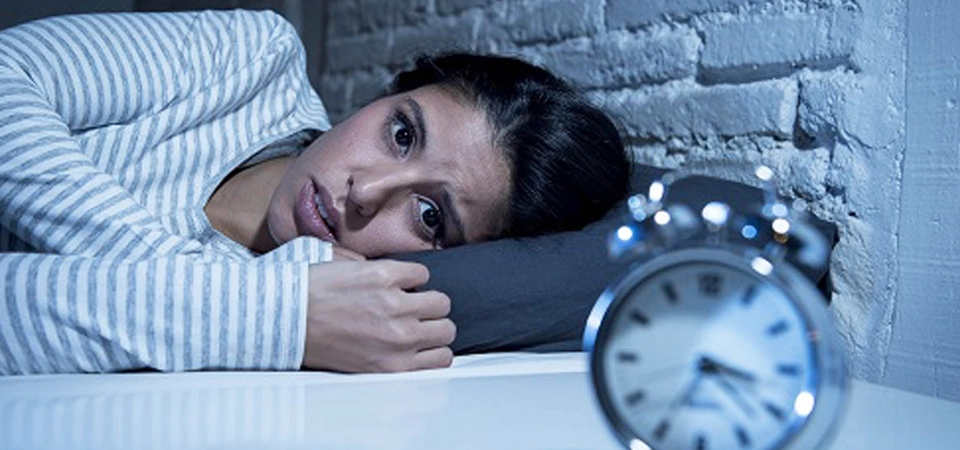
A writer who spent a long time studying sleep, when looking up the word "sleep" in the Larousse dictionary, found the definition "see: to sleep," and when he looked up the definition of "to sleep," found "the state of being asleep." Describing insomnia is even harder than describing sleep, because insomnia is a subjective experience felt by the patient and varies from person to person. Insomnia presents itself as a much shorter duration of sleep than is needed, or sometimes as a shortening of the sleep duration a person was previously accustomed to and found sufficient. But in reality, sleep quality has more to do with feeling rested than with duration.
 The most common form of insomnia we encounter is insomnia that presents with difficulty falling asleep. In this type of insomnia, the process of falling asleep takes many hours, and the inability to fall asleep creates extreme distress in the person. This feeling of distress causes the time it takes to fall asleep to be perceived as even longer than it actually is. In some patients, the distress of not being able to fall asleep begins even before going to bed — sometimes as evening approaches. Patients begin to worry hours in advance about whether they'll be able to sleep that night. Conversely, some patients fall asleep easily but have difficulty staying asleep. They wake at the slightest noise, or at their partner's movements, and have great difficulty falling back asleep. Such people may even develop, over time, a feeling of hostility toward whoever wakes them. Another form of insomnia occurs when a person wakes before dawn and cannot fall back asleep. People experiencing this often have depressive complaints. Although they may fall asleep without much difficulty, they wake before dawn and cannot get back to sleep.
Rarer than the above, but worse than all of them, is a type of insomnia in which a person cannot sleep at all. Sometimes patients don't complain about their sleep at night, yet complain that they cannot wake up feeling rested in the morning. This too should be considered a form of insomnia. Patients suffering from insomnia usually also experience problems during the day. While not all patients experience this, some — to varying degrees — complain of fatigue and irritability, of being short-tempered with friends and family, of decreased physical and mental performance, and of memory and concentration problems. This picture can sometimes be accompanied by headaches, burning eyes, and nausea. Sometimes the cause of the sleeplessness can be a psychological or neurological problem. It's a well-known fact that psychological or neurological problems can cause insomnia. If the patient is taking psychiatric medication, they may be experiencing the side effects of these medications, and their sleep will likely return to normal once the medication is stopped.
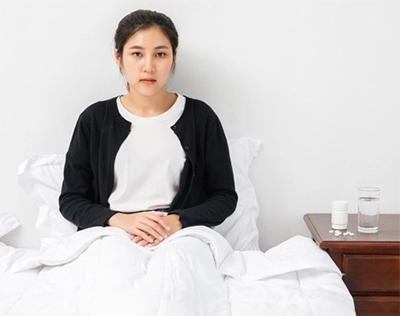 Problems with falling asleep, staying asleep, and ending sleep, along with sleep that isn't restorative, are described as insomnia. Daytime fatigue, mood changes (such as restlessness and irritability), decreased productivity, and even impaired cognitive function accompany the general picture of insomnia.
According to research, insomnia — seen in roughly 10-15% of adults, a significant proportion — has also become quite widespread in our country recently.
At the root of this condition, seen quite frequently especially in older women, lies homeostatic sleep regulation — that is, biological clock processes.
Sleep Disorder (Insomnia) Conditions
An online survey conducted in England found that insomnia is one of the most common problems among people experiencing financial hardship and workplace stress. This problem, defined by the American Academy of Sleep Medicine (AASM) as "Acute Insomnia," affects a very large proportion of people under stress. Once the stressful situation is resolved, people return to their previous sleep patterns.
People who have difficulty falling asleep, or who wake frequently during sleep and cannot get quality sleep, have a high likelihood of having insomnia. People experiencing this problem usually wake early and feel tired throughout the day because they haven't gotten enough sleep. However, to speak of a true sleep problem, this condition needs to be severe enough to reduce quality of life and affect normal functioning.
In addition, people who sleep more or less than they need are also candidates for many health problems, cardiovascular disease foremost among them. Excess sleep can lead to psychological and physiological disorders such as obesity, diabetes, high blood pressure, respiratory disease, muscle weakness, decreased physical resistance, and depression.
 Excessive sleepiness conditions, in which daytime drowsiness is the main complaint, make up half of sleep disorder complaints. Within the category of excessive sleepiness are two important disorders: the first is sleep apnea, and the second is narcolepsy.
Apnea: Sleep apnea is defined as breathing pauses lasting longer than 10 seconds, occurring more than five times during an hour of sleep. It's a condition that can be life-threatening, has been suggested to cause sudden nighttime deaths, and can lead to various psychiatric symptoms such as fatigue, lack of motivation, reduced productivity, impaired cognitive function, and emotional instability. Its symptoms include frequent daytime sleepiness, an excessive urge to sleep, and snoring and breathing pauses during sleep. It's a very common sleep disorder.
Narcolepsy: Begins with a constant urge to sleep during the day. A person may experience dreams or hallucinations even during brief naps. Muscle strength weakens, and movements slow after waking. Some narcolepsy patients cannot even move immediately after waking. In short, narcolepsy is a condition characterized by daytime sleep attacks, nightmares, and other accompanying symptoms. Diagnosis can only be made through studies conducted in sleep laboratories.
Bipolar disorder: People with manic depression also sometimes cannot sleep. Especially during episodes, they may go for days without sleeping. What's more, despite lacking sleep, they don't feel tired.