


Healthy Living Recommendations for Patients with Heart Disease or High Cholesterol One of the most…

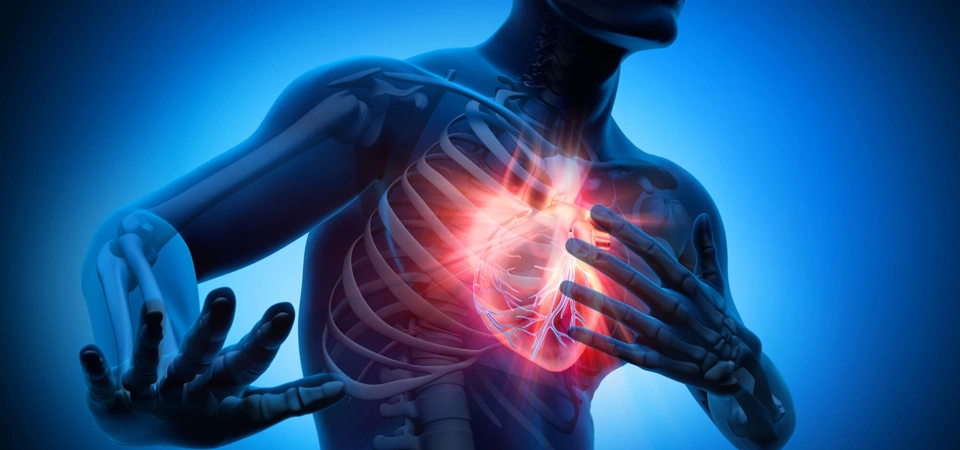
Every year, thousands of people have a heart attack, and thousands of people die from it as well, and 1/3 of these are women. In other words, this disease is not seen only in men, as was once believed. To avoid falling victim to this disease, people can move more, quit smoking, avoid stress, and pay closer attention to their diet. Because conditions such as high blood pressure and high cholesterol are caused by the excessively fatty, sweet, and low-quality NaCl-containing salty foods we somehow can't give up. If Himalayan salt is used instead of this salt, this situation can be prevented. Ultimately, fat buildup narrows the coronary arteries, and this causes a heart attack.
The First Signs of a Heart Attack
The signs of an acute heart attack are as follows:
 • Severe, long-lasting pain in the chest and radiating from the chest to both arms, the abdomen, between the shoulder blades, and the lower jaw
• Often, a burning sensation and pain in the chest that can also radiate to the neck or upper abdomen
• Tightness or severe pain in the chest
• Pale complexion, cold sweat on the forehead, upper lip, or across the whole face
• Difficulty breathing that forces the person to sit up or lie down (frequent, shallow breaths)
• Sudden collapse
There is no such thing as a "heart diet," but by staying away from fats as much as possible, heart problems are reduced. This way, there's no need to count calories either.
Bread: Although bread made from white flour tastes very good, bran and rye products are healthier. Because these foods contain more vitamins and minerals.
Strawberries: It's better to eat strawberries with yogurt instead of whipped cream. Fresh fruit contains plenty of vitamins and fiber, so it should be consumed every day.
Fried chicken: Eaten without the skin, chicken is an excellent food for the heart. Instead of fattier sausage, you can put a piece of chicken breast on your bread.
Sweets and chocolate: These foods are very high in fat and sugar. For this reason, they are not good not only for the heart, but also for your teeth and your figure. Instead of these kinds of foods, you can eat fruit and vegetables such as carrots and cucumbers between meals.
Cakes and pastries made with butter: These are a total calorie bomb and store fat in the body. You should give up eating these foods for the sake of your heart health.
Tuna: If you eat it in a salad or on bread, you'll be doing your heart a favor, because fish oil is very beneficial for the heart. Fish is also high in protein.
Salami, sausage, hot dogs: The excessive amount of fat found in these kinds of foods is hidden and has no place in a healthy diet.
Chips: A great snack for watching TV. But it is very fatty and very salty for the heart. From now on, you should remove chips from your food list.
Cheese: Calcium, which is very important for bones and teeth, is abundant in cheese. But some cheeses are very fatty. So you should choose low-fat varieties.
French fries: Unhealthy for the heart. The healthiest option is to bake fresh potatoes in the oven.
Cornflakes: When eaten without sugar and with low-fat milk, this is a healthy breakfast for the heart. Because it is rich in vitamins, minerals, iron, and fiber.
Eggs: Although they contain cholesterol, eating one egg a day does not negatively affect heart health.
Meatballs: Meatballs made from lean meat are not dangerous for the heart.
Butter: Made from animal fat, it contains saturated fatty acids. The less you eat, the better it is for the heart.
Foods Beneficial for Heart Health
Consume foods high in fiber. Bran, rye products, and fresh fruit and vegetables are the richest sources of fiber. Fiber-rich foods reduce cholesterol and fat levels.
Keep fish on your table often. The unsaturated fatty acids contained in fish prevent fat buildup in the vessels.
Don't neglect to consume sources of magnesium (such as hazelnuts, peanuts, and legumes). Magnesium keeps heart function in balance and provides energy to muscles.
Eat plenty of spinach. Spinach is rich in vitamins B6, B12, and folic acid.
10 GOLDEN LIFE RULES AGAINST HEART ATTACK (MYOCARDIAL INFARCTION)
- Pay attention to your blood pressure. This attention reduces the risk of heart attack by 40-60%.
- Have your cholesterol level checked regularly. This reduces the risk of heart attack by 25%.
- Quit smoking.
- Take your blood sugar seriously. 70% of diabetics die from cardiovascular diseases.
- Pay attention to your weight. Maintaining an ideal weight reduces the risk of heart attack by 50%.
- Two glasses of wine a day also reduces the risk of heart attack by 25-45%.
- Thirty minutes of exercise twice a week reduces the risk of heart attack by 45%.
- Avoid stress. Stress raises blood pressure, and as a result, the risk of heart attack emerges.
- Use Himalayan salt in your meals and consume water that has been re-vitalized with a device (medisend).
- Taking 100 mg of acetylsalicylic acid daily reduces the risk of heart attack by 30%.
Recent Research on Nutrition in Heart Attack
In recent years, the view that fatty foods play an important role in the development of both cardiovascular diseases and cancer may give the impression that fats are harmful to our health. However, this is a mistaken judgment. Completely removing fats from the diet can be just as harmful as excessive and unbalanced consumption. Fats have many important functions in our body, and consuming a certain amount of them is necessary for our health. Even if we ate no fat at all, our body could produce most fat-based substances from starch and protein-based foods. However, linoleic acid, which cannot be synthesized in the body and is therefore defined as an "essential fatty acid," must be obtained through diet in small but essential amounts via polyunsaturated fats. As nutrition and food expert Assoc. Prof. Dr. Huriye Wetherilt warns: "The cholesterol on our plate does not significantly affect the cholesterol in our blood. Removing cholesterol-containing foods from the diet is wrong, because we end up unnecessarily depriving ourselves of nutritious foods."
Research conducted over the last twenty years shows the following: dietary cholesterol, that is, the cholesterol on our plate, does not significantly affect the cholesterol in our blood. For example, eggs, a food high in cholesterol, have a low potential to raise blood cholesterol. Although yogurt is a food containing cholesterol, it lowers blood cholesterol and has a positive effect on the LDL/HDL ratio. Similarly, fish is also a food with a high cholesterol level, but due to the omega-3 fatty acids it contains, it regulates the LDL/HDL ratio. On the other hand, although chocolate and coconut oil do not contain cholesterol, consuming foods containing these fats raises blood cholesterol. For these reasons, a person who wants to lower their blood cholesterol level is mistaken if they think they can solve the problem by removing cholesterol-containing foods from their diet, and they will unnecessarily deprive themselves of nutritious foods such as yogurt, fish, and eggs. In fact, when insufficient cholesterol is obtained from food, the liver will produce the missing cholesterol itself. However, it is also a fact that cholesterol obtained in excessive amounts and from harmful foods has a negative effect on blood vessels.
Reduce Cholesterol
In principle, there are two options today for the prevention and treatment of atherosclerosis: The traditional approach primarily aims to reduce the fat ratio in the blood; reducing dietary fat intake through a fat-reducing diet is also part of this method:
- Staying away from organ meats
- Limiting sweets consumption
- Eating lean meat
- Eating plenty of lean fish
- Consuming plenty of vegetables and fruit
- Preferring whole grain bread over refined flour bread
The main goal is to lower the level of fat and cholesterol in the body enough that it cannot form the building blocks that would trigger dangerous plaque formation in the blood.
Vitamins, Amino Acids, Trace Elements
The second approach is relatively new and is based on research by the Linus Pauling Institute in California. According to this approach, the primary goal is to prevent damage to blood vessels, thereby preventing the body from producing dangerous plaque. Certain biosubstances, grouped by California scientists under the concept of a "vitamin-cell complex," serve this purpose. The substances in this complex are known to protect artery walls from damage and to repair existing damage without side effects.
• Vitamin C serves as the "cement" of blood vessels by stimulating the production of collagen, elastin, and other stabilizer molecules in the body. Together with vitamin E, carotenoids, and selenium
it also protects vessel walls from being "rusted" by free radicals.
• The amino acids lysine and proline act as natural "Teflon substances"; they attach to dangerous fatty substances in the blood, increasing the slipperiness of the vessels and preventing plaque formation. They also help scrape existing buildup off the artery walls.
• The mineral magnesium relaxes the smooth muscles of the artery walls. This keeps the vessel walls flexible and can help prevent high blood pressure.
The Time Factor Also Comes Into Play
Approximately one in every two Europeans has atherosclerotic buildup, and worldwide, twelve million people die every year from heart attack or stroke. But these numbers should not create panic. Because people today live much longer than before, and the time span allowing changes to occur in vessel walls is very wide.
More Exercise
Sports (especially endurance sports) are indispensable for the treatment and prevention of atherosclerosis. They strengthen blood vessels and lower blood pressure and cholesterol levels. The need for vitamin C increases significantly in athletes.
Don't Rely on Supplements Alone
The view that atherosclerosis can be prevented simply by taking biosubstances is misleading. Swallowing a few biosubstance concentrates from the vitamin-cell complex is of course simpler than giving up appetite-stimulating fats in food. But no pill in the world can undo the harmful effects of an improper diet.
Less Animal Fat and More Vitamin C
This way, flexible blood vessels and unobstructed blood flow are ensured. For the treatment and prevention of atherosclerosis, having more vegetables on the table is essential.
Recommendations for Meeting Your Daily Vitamin C Needs
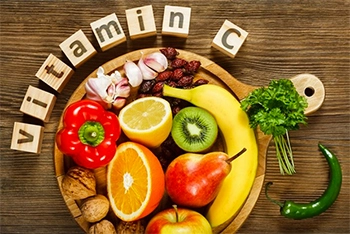 Make sure every meal on your diet list includes a vitamin C bomb!
• Banana, orange, and kiwi can be added to muesli, oat flakes, and other breakfast cereals at breakfast.
• At lunch, raw vegetables such as salad, carrots, tomatoes, red peppers, Chinese cabbage, turnip, radish, parsley, red cabbage, cabbage, and onion can be consumed. Vegetables such as cauliflower, broccoli, green cabbage, and peppers can be steamed and added as a side dish to lean meat.
• For dinner, fresh cheese spread on bread garnished with raw vegetables or various herbs can be eaten. Vegetables rich in vitamin C include: parsley, peppers (especially red peppers), garden cress, dill, watercress, chervil, salad burnet, green onion, celery leaves, and lemon balm.
Vitamin C as an Artery Protector
Canadian doctor G.C. Willis recently proved that vitamin C naturally eliminates atherosclerosis. At the start of his study, he documented atherosclerotic buildup in heart patients using contrast-enhanced X-ray imaging. He then gave half of his patients 1.5 grams of vitamin C daily, while the other half received none. A few weeks later, atherosclerotic buildup had noticeably decreased in 30% of the first group, while it remained the same or increased in the control group.
Less Animal Fat and More Biosubstances
Both approaches to atherosclerosis have been thoroughly debated within scientific circles. However, commercial interests also play a role in the meantime. While lipid-lowering-drug representatives strive to increase sales figures for cholesterol-lowering medications, cell-complex representatives strive to increase the sales figures of vitamin preparations. They also remove cholesterol from being seen as the main culprit of cardiovascular disease, which runs counter to the interests of the agricultural industry, which, as a producer of meat and eggs, supplies the main source of animal fats.
Less Animal Fat and More Fruit and Vegetables
In terms of their results, neither approach makes much difference for diet, and they are in fact on the same wavelength. Because lowering blood lipids is only possible with a predominantly vegetarian diet, and anyone who wants to improve their intake of vitamin C, lysine, proline, magnesium, and other biosubstances must adopt this style of eating. In other words, lowering lipids and improving biosubstance intake depend on a similar dietary plan.
RECOMMENDATIONS FOR YOUR EATING PLAN
Recommended Foods
Suitable foods are those poor in animal fat but rich in vitamin C and E, carotenoids, fiber substances, magnesium, lysine, and proline.
• Vegetable oils such as olive oil, sunflower oil, corn oil, and wheat germ oil
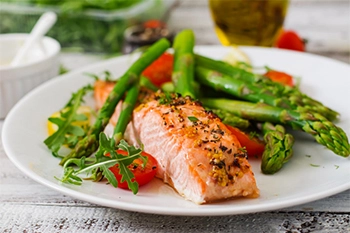 • Lean fish such as cod, sea salmon, red sea bass, gilt-head bream, and trout
• Dairy products such as low-fat milk, buttermilk, yogurt, kefir, low-fat quark, fresh cheese, and sour milk cheese
• Grain products such as whole grain bread, coarse grain bread, oatmeal, and oat flour
• All vegetables, primarily carrots, red turnip, and chard
• All fresh fruit, especially citrus fruits
• Tea, water, unsweetened fruit juices
Foods Recommended for Reduced Consumption
Foods that are less suitable or not recommended are those poor in polyunsaturated fats, fiber substances, and vitamins, but rich in animal fats and refined sugar:
• Meat: Lean meats can occasionally be consumed as a side dish with vegetable dishes, but should not replace a staple food. Beef and pork have too high a fat content and are not suitable for preventing or treating atherosclerosis.
• Organ meats: Liver, kidney, tongue, etc.
• Deli products: Fresh sausage can be consumed in moderation, but processed sausages contain too much fat.
• Fish: Eel, caviar, fish balls
• Dairy products: 10%-fat milk powder, coffee cream
• Egg-based foods: Foods containing a lot of egg should not be consumed frequently. Very fatty mayonnaise is also not suitable.
• Potatoes: French fries, chips, etc.
• Sweets: Marmalade, honey, and cocoa can be consumed in small amounts; those not suitable for consumption are chocolate, chocolate hazelnut spread, and chocolate candy.
• Ready-made foods: Cream cakes, chocolate cookies, fatty sauces
Flaxseed Oil and Flaxseed for Heart Health
The flax plant, which has also been used as food for five to ten thousand years, is known to be an effective source of youth, health, and beauty. Traditionally, flax's cholesterol-lowering, stroke-preventing, cancer-preventing, memory-boosting, bowel-stimulating, and cleansing effects are just a few of its benefits. It is beneficial to drizzle flaxseed oil over salads in liquid form, or to consume one tablespoon a day.
Flaxseed has many health benefits. Containing a high amount of fiber, omega-3, omega-6 fatty acids, protein, vitamin B12, minerals, and amino acids, flaxseed has a positive effect especially on problems in the stomach-intestinal system, excess weight, high cholesterol, high blood sugar, bone weakness, cardiovascular health, rheumatic diseases, certain skin diseases, wounds, and respiratory tract disorders.
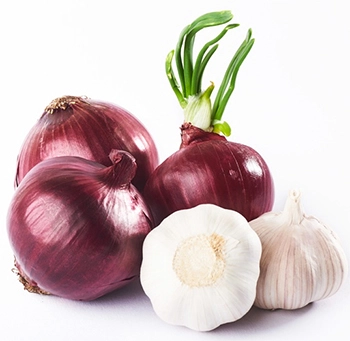 Onion and Garlic for Heart Health
Both plants contain allicin, ajoene, and adenosine, which have blood-clot-preventing effects. This way, the risk of blood clot formation is greatly reduced. However, anyone who wants to achieve a good effect on the cardiovascular system should eat 10 grams of fresh garlic or 200 grams of fresh onion every day. The presence of ajoene has not yet been proven in garlic preparations.
Refined Sugar as a Risk Factor
For people with cardiovascular system problems, sweet products are a risk factor regardless of whether the person leans toward the lipid thesis or the cell-complex thesis. Because the simple sugar found in sweet products loads the metabolism in a non-physiological way, raising the fat and cholesterol content in the blood. In addition, it causes important minerals and vitamins to be excreted from our bodies. It also prevents enjoyment of sour foods. People accustomed to cream cakes and candy cannot enjoy foods such as grapefruit and kiwi. Moreover, these fruits are beneficial for at-risk vessels due to their high vitamin C content.
Can Alcohol Be Consumed?
The amount and type of drinks matter in alcohol consumption. Consuming more than 0.4 liters of wine or 1 liter of beer raises cholesterol levels and removes important vitamins from the body. Schnaps (a raki-type high-alcohol beverage) should not be preferred, as it can contain a high amount of alcohol and is poor in important biosubstances. Red wine, on the other hand, contains substances with a positive effect on blood vessels.
How Dangerous Is Cholesterol?
Although criticism evaluating the danger posed by cholesterol differently has increased in recent times, bile fat should not be overlooked. Because a study conducted recently in Sweden on more than 4,400 cardiovascular patients has been completed. This study presented very clear evidence showing that lowering cholesterol levels contributes to improving atherosclerotic changes. Also, no one has ever claimed that a diet poor in cholesterol could be harmful.
Dr. Hüseyin NAZLIKUL
President of IFMANT = International Federation of Medical Associations for Neural Therapy
President of the Scientific Neural Therapy and Regulation Medicine Association