


Fatty Liver Disease and Kidney Disease: The Mysterious Connection in Your Gut

Dear readers,
Today, I want to talk about the surprising, yet equally important, connection between two of the most common health problems of the modern age: fatty liver disease and chronic kidney disease (CKD). Although most of us think of these two conditions as separate organ diseases, they are, in fact, deeply interconnected. And at the center of this relationship lies something far more significant than we might imagine: our intestinal flora! As Dr. Hüseyin Nazlikul, I want to simplify this complex topic for you, explaining the tremendous influence our gut health has on our overall bodily health, and our approach to potential solutions.
What Is Non-Alcoholic Fatty Liver Disease (NAFLD), and Why Is It Important?
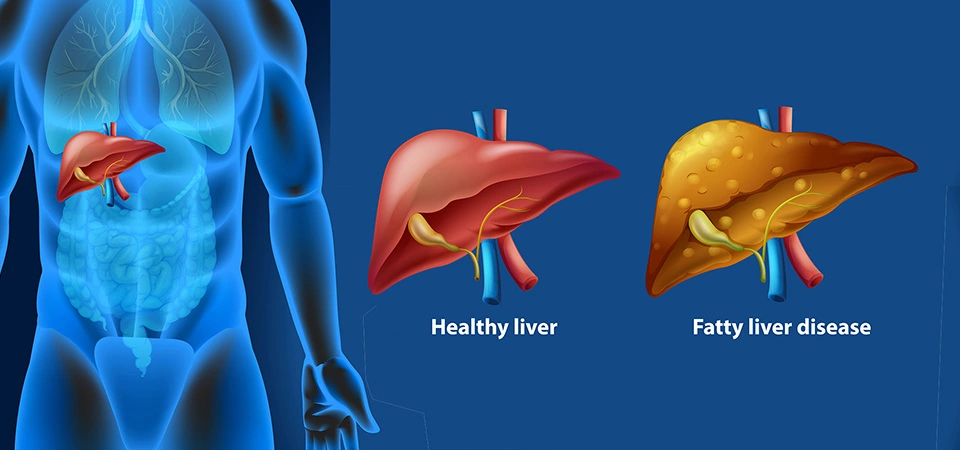
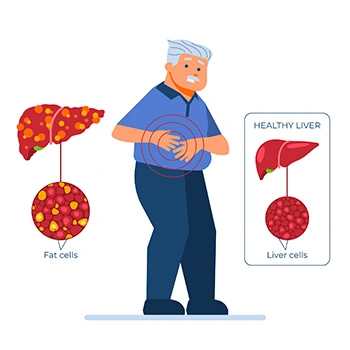 As its name suggests, non-alcoholic fatty liver disease (NAFLD) is the accumulation of fat in the liver that is not related to alcohol consumption. In today's world, it has become an increasingly widespread problem, particularly due to Western-style diets and sedentary lifestyles. It usually progresses silently, without symptoms, and over time can lead to inflammation of the liver (NASH), cirrhosis, and even liver failure.
So why does this fatty buildup occur? The scientific world continues to make progress on this question with new findings. One of the most important triggers is insulin resistance in our body. Insulin resistance is a condition in which our cells fail to respond properly to insulin. As a result, our blood sugar rises and the pancreas produces more insulin. Excess insulin increases fat storage in the liver.
The Hidden Relationship Between the Kidneys and the Liver
The liver and kidneys are two of our body's important "detox" organs. They are responsible for filtering the blood, removing harmful substances, and maintaining the body's balance. In people with NAFLD, this fatty buildup and inflammation in the liver is not confined to the liver alone. It creates a general state of inflammation in the body, and this inflammation can negatively affect other organs as well — particularly the kidneys.
Studies clearly show that NAFLD increases the risk of developing CKD and accelerates the progression of CKD. Behind this connection lie complex mechanisms such as insulin resistance, chronic inflammation, oxidative stress, and altered metabolic pathways. In other words, a problem in your liver can be a sign that your kidneys are also at risk.
The Key Role of the Intestinal Flora: It All Begins There!
So how does the intestinal flora sit at the center of the relationship between these two organs? This is the key point!
The intestinal flora is an ecosystem made up of trillions of microorganisms living in our intestines. These microbes play a role in many vital functions, from digestion to vitamin production, from regulating the immune system to influencing mood.
Factors such as the modern lifestyle, poor nutrition (processed foods, sugary products), antibiotic use, and stress can disrupt the balance of our intestinal flora. We call this condition dysbiosis. Dysbiosis can increase the permeability of the intestinal barrier (the intestinal wall), leading to "leaky gut" syndrome.
In leaky gut, toxins, bacterial products, and undigested food particles that should normally remain within the intestine leak into the bloodstream. This leakage triggers a widespread inflammatory reaction in the body. This chronic inflammation both increases fat accumulation and inflammation in the liver (NAFLD) and negatively affects the kidneys, paving the way for the development and progression of CKD.
In summary: Disrupted intestinal flora → Increased intestinal permeability → Systemic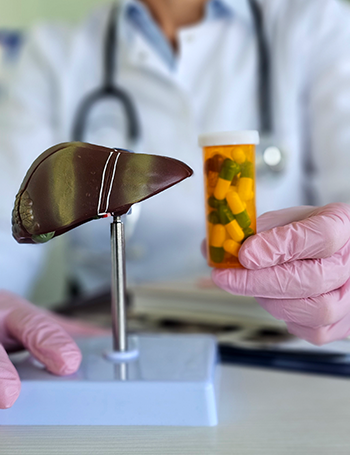 inflammation in the body → Fatty liver disease and kidney damage. This chain reaction clearly shows just how central a role our gut health plays.
What Sets Neural Therapy and Regulation Medicine Apart: A Holistic Approach
For us, every part of the body is interconnected. In chronic diseases such as fatty liver disease or kidney problems, rather than focusing solely on the organs, it is essential to identify the underlying root causes and support the body's own self-healing mechanisms. This is where neural therapy and regulation medicine come in.
Neural therapy is a treatment method aimed at regulating the body's electrical and energetic balance. It is particularly effective in restoring the functional integrity of the autonomic nervous system (ANS) and the enteric nervous system (the intestines' own nervous system). Chronic inflammation and dysbiosis in the intestines can disrupt ANS balance, causing us to remain stuck in "fight or flight" mode. By addressing this imbalance, neural therapy can help shift the body into "rest and repair" mode, thereby aiding the healing of the intestinal wall, balancing the intestinal flora, and consequently reducing the burden on the liver and kidneys.
In cases of non-alcoholic fatty liver disease (NAFLD), regulating the autonomic nervous system with neural therapy and healing the intestinal barrier can provide significant benefits in reducing the liver's metabolic burden and reversing the fatty buildup. Likewise, this approach also contributes to protecting the kidneys and improving overall health.
What Can You Do to Help Yourself?
- Review Your Diet: Reduce processed foods, refined sugars, unhealthy fats (trans fats), and excessive carbohydrate consumption. Turn to plenty of vegetables, fruit, whole grains (if you have no gluten sensitivity), and healthy protein sources. Add gut-friendly, fermented foods (homemade pickles, kefir, yogurt) to your diet.
- Get Moving: Regular physical activity reduces insulin resistance and improves overall metabolic health.
- Manage Stress: Stress negatively affects gut health and the balance of the autonomic nervous system. Incorporate stress management techniques such as yoga, meditation, and walks in nature into your life.
- Pay Attention to Your Sleep Schedule: Quality sleep is essential for the body to renew and repair itself.
- Seek Expert Support: If you are experiencing fatty liver disease or kidney problems, be sure to consult a physician. Support from a physician who embraces holistic medicine approaches will guide you in creating a treatment plan tailored to you and taking steps toward a healthy life.
Remember, your body is a whole, and every organ works in harmony with the others. Our gut health is the conductor of this orchestra. Taking good care of it means taking good care of our entire body. Focusing on your intestines and autonomic nervous system to protect against and recover from chronic problems such as fatty liver disease and kidney disease is one of the most valuable steps you can take. It's never too late for a healthy life!
Stay well and full of love,