


The Health Benefits of Chestnuts: Nutritional Value and Proper Consumption Recommendations…

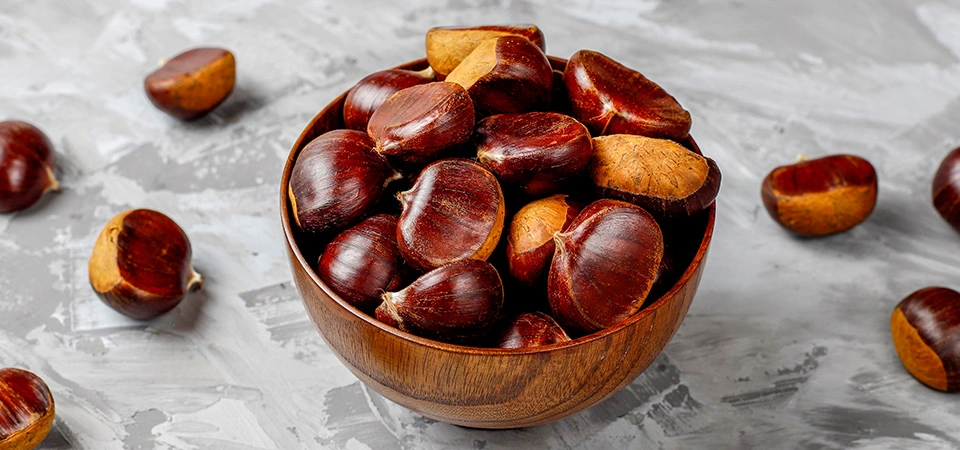
Roasted in the oven, boiled, or roasted without oil, they are both tasty and healthy. Thanks to the vitamins, minerals, and other nutrients they contain, they make important contributions to physical and mental health. However, avoiding chestnut desserts turned into sugar and consuming them in moderation is important to preserve these benefits.
The Nutritional Value of Chestnuts
Vitamins
Chestnuts are a food quite rich in vitamins:
- Vitamin C: Unlike other nuts, chestnuts contain vitamin C. It strengthens the immune system, supports cell renewal, and contributes to skin health.
- B Vitamins (B1, B2, B6): Have positive effects on the nervous system and energy metabolism. They reduce fatigue and increase concentration.
Minerals
The minerals in chestnuts are vitally important for the body:
- Potassium: Regulates blood pressure and supports heart health. Prevents muscle cramps.
- Magnesium: Regulates muscle and nerve function, helps with stress management.
- Phosphorus: Necessary for bone and dental health.
- Iron: Prevents anemia and increases energy levels.
- Zinc: Supports cell renewal and strengthens the immune system.
Fiber
Thanks to their high fiber content, chestnuts support digestion and protect gut health. They also help regulate blood sugar.
Complex Carbohydrates: Chestnuts contain energizing complex carbohydrates. These carbohydrates are absorbed slowly, providing long-lasting energy and keeping blood sugar in balance.
Low Fat Content
Unlike other nuts, chestnuts have a quite low fat ratio, which makes them a low-calorie, light snack.
Health Benefits of Chestnuts
Provides Energy and Reduces Fatigue
Thanks to their complex carbohydrates and B vitamins, chestnuts increase energy levels. Especially in the winter months, they help you feel more energetic with their warming effect on the body.
Supports Heart Health
Their potassium and magnesium content regulates blood pressure and balances heart rhythm. In addition, thanks to their low fat content, they do not negatively affect cholesterol levels.
Friendly to the Digestive System
Their high fiber content regulates bowel movements and prevents constipation. It eases digestion and supports gut flora.
Strengthens Immunity
Their vitamin C and zinc content strengthens the immune system and protects the body against disease. When consumed especially in the winter months, it can reduce the risk of colds and flu.
Regulates Blood Sugar
Thanks to complex carbohydrates, chestnuts prevent sudden spikes in blood sugar and provide a long-lasting feeling of fullness.
Protects Bone and Muscle Health
Their magnesium, phosphorus, and potassium content supports bone and muscle health. It especially helps preserve bone density in elderly individuals.
Gluten-Free
Chestnuts are naturally a gluten-free food, making them safe for celiac patients and individuals with gluten intolerance.
Consumption Recommendations
1. Consume Naturally and Unprocessed
- Oven-baked, boiled, or oil-free roasted chestnuts should be preferred.
- Chestnuts caramelized with sugar or prepared in dessert form can do more harm than good due to their high sugar content.
2. Consume in Moderation
Chestnuts are a food high in carbohydrate content. 6-7 pieces a day (approximately 80-100 grams) is an ideal amount to consume. Consuming too much can lead to weight gain.
3. Soak in Water Before Consuming
Soaking chestnuts in water for a while before cooking both shortens the cooking time and eases digestion.
4. Don't Eat Late at Night
Chestnuts have energizing properties. When consumed late at night, they can make digestion more difficult and affect your sleep pattern.
5. Consume in Winter
Chestnuts consumed in the winter season play a protective role against seasonal illnesses, both through their warming effect on the body and their positive effects on the immune system.
Who Should Be Careful?
- Diabetics: Should be consumed with caution, as they can affect blood sugar.
- Those Focused on Weight Control: Portion control should be practiced with attention to calorie intake.
Conclusion
Chestnuts are one of the indispensable healthy snacks of the winter months. Rich in vitamins, minerals, fiber, and complex carbohydrates, chestnuts provide energy, strengthen immunity, and protect heart health. However, to fully benefit from their advantages, it's important to consume them naturally, unprocessed, and in moderation. By staying away from sugary chestnut desserts, you can include this miraculous food in your healthy eating routine.
Chestnuts are a delicious and nutritious gift offered by nature. Enjoy them as a healthy snack this winter season!