


Chronic Pelvic Pain Syndrome: A Regulation Medicine and Neural Therapy Approach with the Neural,…

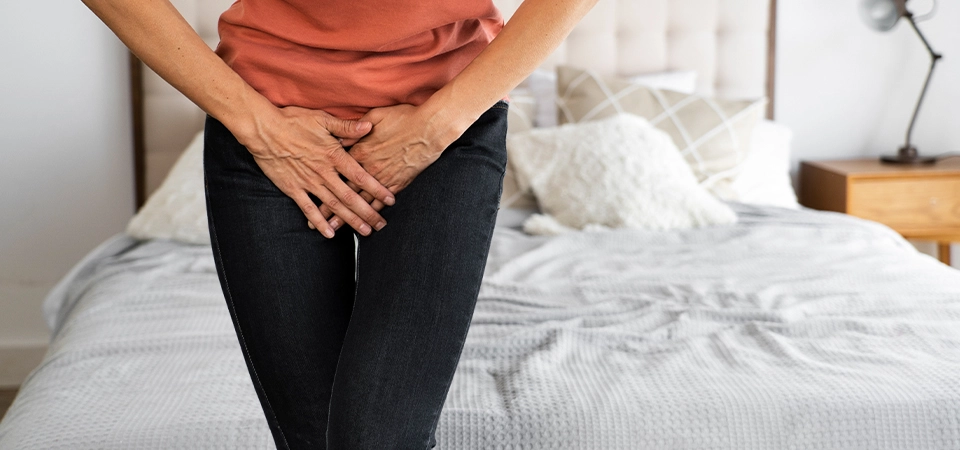
Chronic pelvic pain syndrome (CPPS) is a common and multifactorial condition characterized by pain lasting more than three months in the lower abdomen, pelvic region, and genital area. Underlying CPPS, disruption of the neural, vascular, lymphatic, and fascial connections of the small pelvic organs (such as the uterus, ovaries, prostate, bladder, and rectum) plays an important role. This complex network of relationships can create both neural and circulatory dysfunction and cause ongoing pain in patients. Regulation medicine and neural therapy offer effective methods for correcting this complex network.
Neural Innervation and Circulation of the Pelvic Organs
Neural Innervation
The pelvic organs are innervated by the somatic and autonomic nervous systems:
- Somatic Nervous System: The pudendal nerve stands out among the somatic nerves that control the pelvic floor muscles. This nerve provides sensory and motor functions to the perineal region, genital organs, and the anal sphincter.
- Autonomic Nervous System:
- Sympathetic Nerves: Via the hypogastric nerves, the vascular tone and contractions of organs such as the uterus, ovaries, and bladder are controlled.
- Parasympathetic Nerves: Via the sacral plexus, circulation in the vaginal and rectal region is increased, and organs are kept in a resting state.
In chronic pelvic pain, dysfunctional conduction in the nerves (e.g., hypersensitivity, neurogenic inflammation) plays a critical role in the persistence of pain. In particular, pudendal nerve entrapment and pelvic autonomic plexus dysfunctions can lead to widespread pain and functional disorders.
Arterial, Venous, and Lymphatic Circulation
The pelvic organs are nourished and cleansed by extensive arterial, venous, and lymphatic networks in the pelvis:
Arterial Circulation:
- The internal iliac artery and its branches (e.g., the uterine artery, vaginal artery, prostatic artery) supply the pelvic organs.
- Insufficient blood flow can cause tissue hypoxia and pain.
Venous Circulation:
- Pelvic venous congestion is a common mechanism in chronic pelvic pain. Insufficient venous return can lead to increased pressure in the pelvic organs and chronic inflammation.
Lymphatic Circulation:
- Disruption of lymphatic drainage contributes to toxin accumulation and inflammation. In particular, the lymph nodes in the pelvis play an important role in the persistence of chronic inflammation and pain.
Pelvic Muscles and Fascial Connections
Pelvic Muscles and Movement Patterns
The pelvic floor muscles both provide postural support and regulate urinary, bowel, and sexual functions. However, hypertonicity or weakness of these muscles can cause chronic pelvic pain.
- Hypertonic Muscles: Excessive tension in the muscles leads to nerve compression and impaired blood flow.
- Weak Muscles: Displacement or dysfunction of the pelvic organs can occur due to insufficient support.
Fascia and Connections
The pelvis is an important junction point of the fascial chains. In particular, the pelvic fascia plays a critical role in supporting the organs and their relationships with neighboring regions:
- Anterior Chain: Connected to the abdominal muscles and the diaphragm. Breathing irregularities can increase pelvic pressure.
- Posterior Chain: Connections with the gluteal muscles and the spine can cause pelvic pain to radiate to the back and hip.
- Fascial tension or adhesions can lead to circulatory disorders and nerve compression.
The Neural Therapy and Regulation Medicine Approach to Chronic Pelvic Pain According to Nazlikul
Regulation of the Vegetative Nervous System
Neural control of the pelvic organs is provided by the vegetative nervous system (sympathetic and parasympathetic). In chronic pain, dysfunction of this system (e.g., sympathetic overactivity) plays a role in the persistence of pain.
Neural Therapy:
- Applications directed at the hypogastric plexus, sacral plexus, and pudendal nerve re-establish sympathetic-parasympathetic balance.
- Stellate Ganglion Block: An effective method for regulating sympathetic nervous system activity and reducing pain.
Identification and Treatment of Disturbance Fields with the Neural Therapy Approach
Disturbance fields commonly contributing to chronic pelvic pain include:
- Old surgical scars (e.g., cesarean section, appendectomy).
- Foci of infection (e.g., chronic cystitis, pelvic inflammatory disease).
- Dental and tonsillar foci.
Neural therapy reduces the burden on the vegetative nervous system by eliminating the effects of these disturbance fields.
Regulation of Circulation
- Improving Venous and Lymphatic Circulation:
- Lymphatic massage can reduce inflammation by supporting circulation.
- Fascial mobilization techniques increase blood and lymph flow.
Fascia and Muscle Regulation
To resolve fascial adhesions and muscle hypertonicity:
- Manual Therapy: Reduces tension in the pelvic muscles and fascial chains.
- Muscle Relaxation with Neural Therapy: Local injections can resolve muscle spasms.
Anti-Inflammatory Diet and Nutritional Support
- Omega-3 Fatty Acids: Reduce inflammation and support tissue repair.
- Magnesium and B-Complex Vitamins: Effective in supporting muscle relaxation and nerve function.
- Gluten-Free and Anti-Inflammatory Diet: Can strengthen the gut-pelvis connection.
Psychological and Cognitive Support
- In pelvic pain syndromes, stress can intensify pain by increasing sympathetic activity.
- Mindfulness and Meditation: Increase parasympathetic tone.
- Cognitive Behavioral Therapy: Can change pain perception.
Conclusion
Chronic pelvic pain syndrome results from complex relationships in the neural, circulatory, and fascial connections of the pelvic organs. Regulation medicine and neural therapy offer effective tools for regulating this complex system.
- Neural therapy targets pain through the treatment of disturbance fields and regulation of the vegetative nervous system, while correction of circulatory and fascial connections helps relieve symptoms.
- A holistic approach addresses the underlying causes of pelvic pain by creating individualized treatment plans, improving patients' quality of life.
A multidisciplinary and individualized approach to resolving pelvic pain syndrome provides both short-term relief and long-term healing.
Dr. Hüseyin Nazlikul, M.D., PhD.
President of IFMANT, BNR, MTAR
Specialist in General Medicine - Medical Biophysics
President of IFMANT (International Federation of Medical Associations of Neural Therapy)
President of the Turkish Neural Therapy Society
President of the Turkish Manual Medicine - Pain Regulation Association
Hakkı Yeten Cad. Vital Fulya Plaza No:23 Kat:3 Fulya 34394 Şişli – Istanbul
Tel: 0 (212) 219 19 12 or 219 09 00 Fax: 0 (212) 219 18 38