


Longevity and Healthy Aging: Long-Life Strategies Inspired by the Blue Zones. Aging is a process…


However, research into how aging occurs and how lifespan can be extended has brought various strategies for healthy aging to the forefront. Longevity, meaning a long and healthy life, refers not only to extending lifespan but also to preserving quality of life throughout that time. In certain regions of the world, people live longer and healthier lives than average. These regions are called "Blue Zones," and the lifestyles of these communities offer important clues about healthy aging. Alongside these natural examples, modern science also puts forward strategies that support healthy aging.
1. Blue Zones: Natural Longevity Regions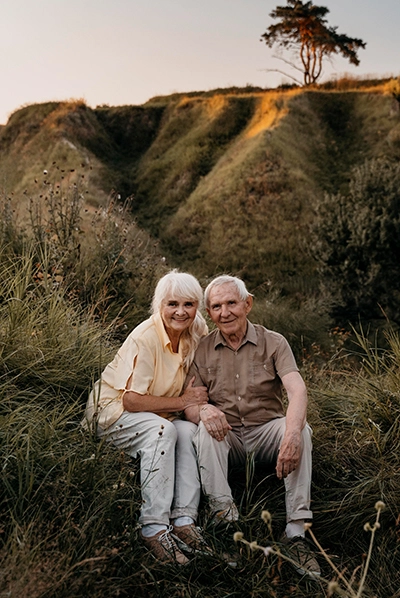
Blue Zones are specific geographic regions around the world where people have above-average lifespans and healthy lives. These regions are:
- Okinawa, Japan
- Sardinia, Italy
- Ikaria, Greece
- Nicoya Peninsula, Costa Rica
- Loma Linda, California (the Seventh-day Adventist community)
People living in these regions are able to live healthily into their 90s, and even 100s. So what is the secret to a long and healthy life for the people in these regions?
A. Plant-Based Nutrition and a Low-Calorie Diet
People living in the Blue Zones generally follow a plant-based diet. They have adopted an eating style rich in vegetables, fruit, legumes, whole grains, and healthy fats such as olive oil. Animal protein consumption is limited, usually consumed in small portions a few times a week. For example, in Sardinia, locally produced whole grains and vegetables, and in Okinawa, soy and sweet potato are important food sources.
A low-calorie diet helps prevent chronic diseases such as heart disease, cancer, and diabetes. In Okinawa, the population follows the "hara hachi bu" principle — that is, they stop eating when they feel their stomach is 80% full. This limits caloric intake, reducing metabolic stress on the body and slowing the aging process.

B. Regular Physical Activity
People living in the Blue Zones move regularly, but this movement takes place through daily activities rather than intense exercise. Natural movements such as farming, gardening, walking, and housework play an important role in their long lives. These individuals naturally stay healthy through these activities, which strengthen their muscles and bones. For example, shepherds living in Sardinia walk throughout the day, and this physical activity supports their cardiovascular health.
C. Strong Social Bonds
Social bonds are another important element of longevity. People living in the Blue Zones have close relationships within extended family structures and have formed strong social bonds within their communities. Research shows that social support systems reduce stress levels and strengthen emotional health. In Ikaria, people strengthen their social bonds through communal meals and conversation. In Okinawa, there are lifelong social groups called "moai." These groups play an important role in supporting each other during difficult times.
D. Distancing from Stress and Emotional Balance
Stress has negative effects on aging, and people living in the Blue Zones cope with stress by living their lives in a natural rhythm. For example, in Ikaria, a short afternoon nap (siesta) is taken every day. This helps people rest mentally and distance themselves from stress. In Sardinia, social activities and natural rituals help reduce stress.
E. A Sense of Meaning and Purpose
 People living in the Blue Zones bring meaning and purpose to their lives. In Okinawa, "ikigai," or "reason for being," is a powerful value held by every individual. This is a source of motivation that gets people out of bed in the morning. On the island of Ikaria, people have learned to enjoy life and find a purpose for themselves. This sense of meaning and purpose is considered one of the important secrets to a long life.
2. Modern Science's Approaches to Healthy Aging
Observations gathered from the Blue Zones reveal that longevity is shaped by biological, social, and environmental factors. However, modern science also offers other strategies that support healthy aging.
A. Mitochondrial Health and Energy Metabolism
Mitochondria are the energy-producing structures of cells and are among the most important determinants of aging. Maintaining mitochondrial health can delay aging by optimizing energy metabolism. Nutrients such as NADH, Coenzyme Q10, Vitamin B3, Zinc, Vitamin C, NADH-NAD+ supplements, and L-carnitine provide anti-aging effects by increasing mitochondrial energy production. In addition, exercise and caloric restriction promote mitochondrial biogenesis and slow cellular aging.
B. Antioxidants and the Management of Free Radicals
 Free radicals are molecules that accelerate aging by damaging cells. These molecules initiate a process known as oxidative stress, damaging DNA and cellular structures. Antioxidants such as vitamin C, vitamin E, polyphenols, and flavonoids slow the aging process by neutralizing the harmful effects of free radicals. This process can be brought under control by consuming antioxidant-rich foods, particularly fruit, vegetables, and whole grains.
While these strategies inspired by the Blue Zones offer the keys to a healthy and long life, the supportive approaches offered by modern science can also positively influence the aging process.
C. Caloric Restriction and Autophagy
Caloric restriction is one of the most effective methods scientifically proven to delay aging. Reducing caloric intake allows cells to function more efficiently in their energy production processes. It also promotes the process of autophagy, during which cells clear out and renew their damaged structures. Autophagy is a mechanism that slows the aging process and helps cells stay healthy for longer.
D. Epigenetic Factors and Genetic Regulation
The role of genes in aging has long been studied. However, epigenetics — that is, how environmental and lifestyle factors affect gene expression — is a more recently discovered field. Lifestyle factors such as healthy eating, exercise, and stress management can positively influence genetic structure through epigenetic regulation and can slow the aging process.
3. Popular Healthy Aging Strategies
Today, many popular strategies for longevity and healthy aging stand out:
- Intermittent fasting: Promotes cellular renewal by limiting eating windows.
- Low-carbohydrate diet (Ketogenic diet): Creates a state of ketosis in the body by using fats as an energy source, providing anti-aging effects.
- Supplements NADH (NAD+, Resveratrol, Omega-3): These components support cell renewal and reduce oxidative stress.
- Cold exposure and cryotherapy
- Quality, healthy sleep
Dr. Hüseyin NAZLIKUL
President of IFMANT = International Federation of Medical Associations for Neural Therapy
President of the Scientific Neural Therapy Regulation Association