


Fatigue Experienced During Seasonal Transitions Pay Attention to Stay Healthy During Seasonal Transitions!


The birds are chirping, the flowers are budding, and the days are getting longer…
Spring has arrived!
But as nature awakens from its winter sleep, do you feel tired and weak? If so, you too are suffering from spring fatigue. Spring fatigue is a particular problem for people with low blood pressure and elderly people sensitive to weather. Its causes are quite varied.
The sun is shining, the days are getting longer, and the first plants are blooming…
Spring has arrived!
As nature awakens from its winter sleep and flowers begin to bloom, we have to cope with spring fatigue.
Even though spring fatigue is not a disease, symptoms can sometimes be quite strong and quite bothersome: it causes drowsiness during the day and sleep disturbance at night. In addition, circulatory problems, irritability, or a depressive mood can also be seen.
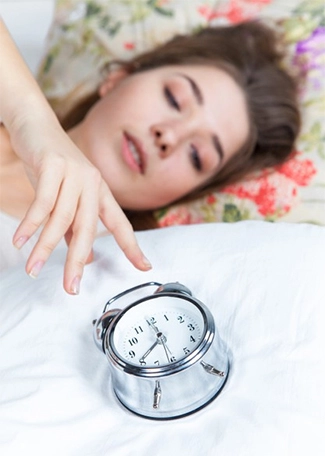 The underlying cause of spring fatigue has not yet been fully explained. Nevertheless, the change in weather and the lengthening of days play an important role in spring fatigue. In fact, this situation is a reason to be happy. But for many people, changes in weather mean: fatigue, dizziness, and headache…
As the days lengthen and warm up, most people complain of fatigue and circulatory problems. Almost 50-60% of people suffer from spring fatigue. Women are affected slightly more often than men.
As the weather warms, many people talk about joint pain, weakness, and constant desire to sleep, and this is called spring fatigue. The cause of this fatigue, a condition frequently encountered in the spring months, may stem from certain changes occurring in human metabolism.
On the first warm days of spring, blood vessels dilate, blood pressure drops, and you feel tired, weak, and exhausted. After the dark winter days, the body's reserves also become depleted.
Nevertheless, the organism changes slowly as it transitions from the cold season to the warm season. It takes about a month for the body to get used to rising temperatures. This is mainly due to hormonal changes.
In past years, it was believed that we suffered from spring fatigue because we didn't eat enough fruit and vegetables during the long winter season. Depleted vitamin and mineral stores were triggering complaints. But now experts suspect that an imbalance between two hormones is what tires us. These two messenger hormones are the sleep hormone "melatonin" and the happiness hormone "serotonin."
In spring, the relationship between these two neurobiologically active components, melatonin and serotonin, begins to become imbalanced. It takes about two to four weeks for the body to get used to spring and rebalance itself. Some people exposed to this condition become particularly tired, experience circulatory problems, and suffer from headaches. As soon as the biological clock resets, spring fatigue begins to decrease again.
The Battle of Hormones
During the long, dark winter months, the hormone that encourages the human body toward more sleep is melatonin. After the winter months, while the concentration of melatonin in the blood is particularly high, the happiness hormone serotonin begins to decline. Serotonin begins to be produced in the brain when daylight falls on the retina of the eye. For increased serotonin production, it will be beneficial to go out into daylight and spend more time outdoors in the spring months. The increase of serotonin in the body reduces the sleep hormone melatonin. This battle of hormones tires our body.
Causes of Spring Fatigue
The causes of seasonal problems have not yet been clearly explained. Nevertheless, the change in weather conditions from winter to spring plays a role in the onset of symptoms. The body generally cannot keep pace with the weather: sudden, higher temperatures cause blood vessels to dilate and blood pressure to drop. The results are weakness and fatigue.
 It generally takes a month for the body to adapt to new environmental conditions. An internal hormonal competition is responsible for this: while the spring sun stimulates the production of the happiness hormone serotonin, the body is still accustomed to the winter production of the sleep hormone melatonin. Because these hormones interfere with each other, they tire us. They can also cause dizziness, circulatory problems, and irritability.
The rhythm of nature and the change of seasons affect our overall well-being far more than we tend to assume, in many ways. Although modern conveniences such as heating, ventilation, and lighting limit the effect of seasonal changes on us, spring stands out as a season in which we feel more energetic and cheerful.
In the spring months, many of us experience a faster heartbeat, and there's a slight decrease in our sleep needs and appetite. Among the important reasons for these physical changes are the lengthening of days and our exposure to more natural daylight.
The immune system, which takes on the task of neutralizing, expelling, or destroying foreign substances entering the body, protects the human body against microbes such as viruses, bacteria, fungi, and parasites found in its environment. The primary task of the immune system is to prevent or delay microbes from entering and spreading in the body.
Lymph Nodes Stop Microbes!
What is called "immunity" in medicine is a system made up of the thymus gland, bone marrow, spleen, and lymph nodes. The cells that we can think of as the soldiers of the immune system are produced here and distributed via the blood to wherever they are needed. These cells are the most important elements of the continuous defense maintained in the human body against foreign substances and microbes.
There are numerous lymph nodes in the neck, armpits, groin, chest, and abdominal cavity. Their main tasks are to prevent or delay the spread of microbes in the body. During this struggle, the lymph nodes swell and can reach sizes noticeable by hand or eye, especially in the neck.
Some of the cells in the immune system have the equipment to directly destroy microbes. The other part ensures microbes die by secreting fluid substances called "antibodies" into the bloodstream. The joint functioning of the cellular and humoral immune systems ensures the living being's survival.
After a type of microbe enters the body and causes disease, that microbe becomes recognized and immunity develops against it. When encountered again with the same microorganism, the immune system, recognizing this microbe, is now ready and destroys it before the disease develops. This immunity is lifelong for some microbes, while it loses its effectiveness over time against others.
 What precautions should be taken to protect against epidemic diseases such as flu and colds?
The microbes called viruses that cause flu and colds are very common and spread very quickly. They are especially dangerous for people in risk groups. Infants, people over 65, those with asthma, chronic lung, heart, and kidney diseases, and patients using medications that weaken the immune system are in the risk group.
The first thing to do is to stay away from people with the flu, and not go to crowded places where people are coughing and sneezing. Since microbes sometimes spread to our nose and throat via our hands, it's beneficial to wash our hands frequently. The way to protect against disease is to have the body's resistance and immune system in their best condition. It's important to eat well, rest, stay away from stress, and not smoke. It's very beneficial to use natural immunity boosters that strengthen the immune system, especially during epidemic periods.
Recommendations for Protecting Against Disease:
- Go out in the sun to get as much daylight as possible. This way you ensure hormonal balance and also stimulate vitamin D production. Try to keep the sun's rays as directly on your skin as possible and use sunscreen only after a few minutes.
- Exercise in fresh air, ride a bicycle, or just go for a walk. Every movement helps the body get used to changeable weather. Even a short walk outdoors works wonders. It's best to use every opportunity to move your body in daily life: for example, use the stairs instead of the elevator, or get off the bus one stop early and walk the rest of the way.
- Eat healthily! Fresh fruit and vegetables provide you with valuable vitamins and minerals that you can use for your spring metabolism. Nutritional supplements can also help. In any case, consult your doctor first.
- Alternating showers can also speed up the transition and accustom the body to possible temperature fluctuations in spring. You can also strengthen your immune system with alternating showers. Make sure to finish your shower with cold water.
- Meeting friends, talking, and laughing relaxes the spirit and helps hormonal balance to be directed in the right direction.
- Relax! Reading, yoga, meditation, or your own personal method will also help you transition into the warmer seasons.
What You Should Take for a Healthy Body: Echinacea, Zinc, Elderberry, Propolis, and Vitamin C
The antioxidant properties of natural nutritional supplements such as echinacea, zinc, elderberry, and propolis protect immune cells from the harm of free radicals. They are also known to provide protection against cardiovascular diseases, cancer, and cataracts.
 When vitamin C, which protects cells from damage with its antioxidant properties, is deficient, the immune system is disrupted. Vitamin C also helps prevent the damage cigarettes cause to lymphocytes in the lungs. These kinds of natural nutritional supplements play an important role in keeping immunity strong with their mineral content. When there is an infection in the body, minerals — especially zinc, iron, copper, and selenium — are needed for the proliferation of immune cells and the secretion of chemical substances that activate cells.
Vitamins cannot function without minerals. Minerals are found in the structure of bones, teeth, soft tissue, muscles, blood, and nerve cells. They play a role in accelerating many biological reactions, such as hormone production and message transmission from nerves. Calcium, iodine, iron, magnesium, phosphorus, potassium, selenium, sodium, and zinc are the most important.
What is the relationship between tension, stress, and the immune system?
Excessive fatigue, stress, insomnia, and trauma cause protein breakdown in the body, thereby reducing resistance. Certain drug treatments, seasonal, and hormonal changes are factors that weaken the immune system. As the immune system weakens, microbes waiting on standby become activated to cause disease in the body. While our body and brain rest during sleep, the immune system prepares against invading organisms. In cases of excessive stress, excessive fatigue, and insomnia, since organs do not rest well, the immune system can be disrupted.
What are the effects of dietary habits on the immune system?
Nutrition affects the body's resistance. When protein and energy intake is insufficient and nutrition is poor, the defensive power of structures on duty in the immune system weakens. Nutritional deficiency plays a large role in disease susceptibility and death, especially in childhood. Malnutrition lays the groundwork for infections and the emergence of their harmful side effects. It is reported that 6 million children die worldwide every year due to weakened immune systems related to malnutrition and resulting infections. To strengthen the immune system, attention should be paid to getting enough protein and consuming proteins with high biological value, such as dairy products and eggs. In addition, it is beneficial to drink at least 2-3 liters of water a day so that the cells that make up the immune system can sustain their movement in the organism. In addition, omega-3 fatty acids (fatty acids abundant in fish) and the amino acid arginine, obtained from protein-rich foods, are important nutrient sources for the immune system.
All over the world, combinations of echinacea, zinc, elderberry, propolis, vitamins, and minerals are used, in addition to treatment protocols for various diseases, to support daily nutrition and prevent disease.
Balanced Nutrition and Exercise
Depending on your physical constitution, stress can easily cause you to feel tired and weak. The most effective way to combat spring fatigue is to eat a balanced diet. Above all, fruit and vegetables, legumes, whole grain bread, and easily digestible proteins should be preferred. Exercise is just as important as balanced nutrition. Moderate exercise programs done outdoors are particularly suitable:
 Long Walks
Moderate physical effort in fresh air is the ideal prescription for spring fatigue. For someone who has been almost completely physically inactive during the winter, walks — even nature walks if possible — are best. You may feel tired after exercising, but this is different from spring fatigue. After a short renewal period of one or two days, you'll generally feel fresher and more energetic overall.
- Bicycle Tours
Cycling is also an ideal exercise. A bike ride is good not only for the body but also for the mind. It boosts your creativity and quickly makes you forget your fatigue.
- Jogging
Running training is also a good way to get your body moving again in spring. Running will do a lot of good for our bodies, which have remained inactive during the winter.
- Swimming
Moving in water has an additional positive effect on our bodies, especially in spring. Due to the cold stimulus, blood vessels and circulation become accustomed to rapid temperature changes, similar to alternating showers. The more trained the body is in this regard, the easier it becomes to cope with temperature fluctuations in spring.
Watch out for persistent fatigue!
If fatigue lasts much longer than a month and our tips don't provide any improvement, you should definitely get yourself examined. Fatigue, burnout, hypothyroidism, and depression are just a few of the conditions that cause chronic fatigue.
Consult a doctor if you feel tired for a long period
If so-called spring fatigue lasts longer than two to four weeks or doesn't only occur in spring, you should consult a doctor. There may be other causes of the fatigue. Because conditions such as depression or thyroid dysfunction can also make themselves felt in a similar way.
Dr. Hüseyin NAZLIKUL, M.D., PhD.
President of IFMANT = International Federation of Medical Associations for Neural Therapy
President of the Scientific Neural Therapy and Regulation Medicine Association