


Why Do We Age? Aging is a natural process, and it is claimed that the average human lifespan is 75…

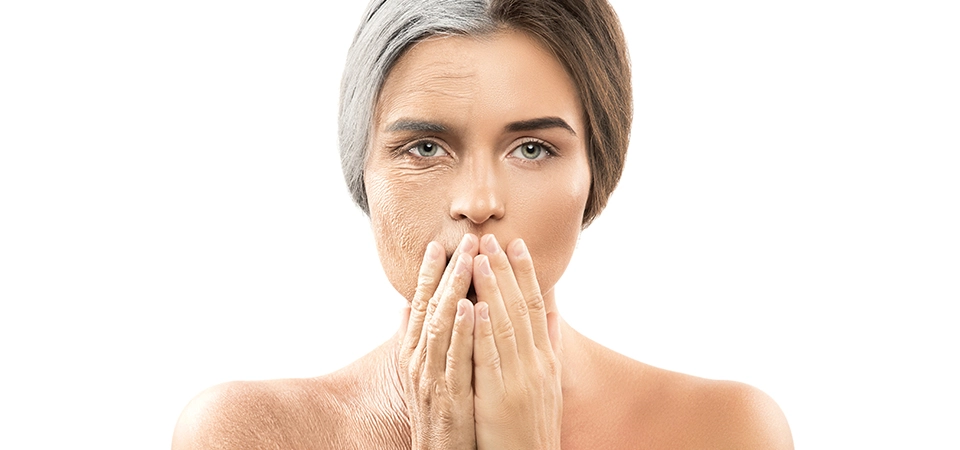
In the human body, there is a limited number of times cells can divide to form new cells, and the only cell that can divide indefinitely is the cancer cell. Therefore, solving the secret of cancer will also shed light on the phenomenon of human aging. Aging is a natural process, and it is claimed that the average human lifespan is 75 years. Science is doing everything it can to extend this period. Studies conducted have shown that diet and dietary style have a primary and most important role on aging and survival.
In this natural process in which birth, growth, aging, and death follow one another, there are various theories about aging. The most widely accepted of these theories is the accumulation in the body of waste products arising from reactions occurring within it. As a result of the reactions that occur to live and meet our necessary basic energy needs, acidic waste forms in the body. This waste is expelled from the body through urine, stool, sweat, or breath. However, we cannot rid ourselves of all the acidic waste that forms. As years pass, this waste accumulates. Aging is a result of the accumulation of acidic metabolites in connective tissue.
According to Dr. George W. Crile, one of the founders of the Cleveland Clinic, "There is no natural death. What we call natural death is the final point reached by progressive acid concentration."
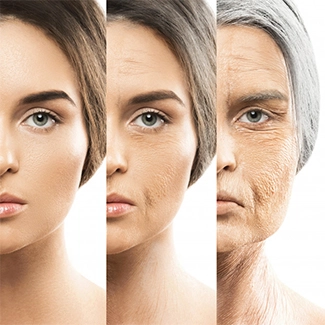 A healthy body has the capacity to tolerate acid accumulation. But when this capacity is exceeded, clinical processes that disrupt quality of life — such as skin wrinkles, fatigue, roaming pain, a feeling of heaviness, deterioration in hair and nail quality, and skin blemishes — begin to appear. The main underlying cause of all these is acid accumulation.
The metropolitan life we choose to live or are forced to live, the environmental pollution brought on by industrialization, the excessive stress caused by competition and rapid communication, toxin consumption such as alcohol and cigarettes, unnatural types of nutrition (ready-made food, dyes, preservatives, artificial chemical fertilizers, hormone-treated foods, etc.), acidic drinks, energy drinks, and high-protein diets are increasing the acid concentration in our body even further. With technological and industrialized, refined lifestyles, we are drifting toward a more acidic life. As we age, we begin to lose bicarbonate at a faster rate. At the point where we can no longer make up for this loss, we age faster.
In a study conducted in 1996 by Dr. Lynda Frassetto and Anthony Sebastian at the University of California, it was determined that acid radicals increase with age while bicarbonate levels decrease, and it was scientifically explained how metabolic acidosis arises with age.
Ideally, the human body should be alkaline. The environment most preferred by the germs and viruses that cause illness is an acidic environment. By raising the pH of the environment to make it alkaline, an environment in which germs and viruses cannot survive can be created, thereby preventing illnesses.
Even a very small increase in the amount of acid in the blood negatively affects its fluidity, reducing blood flow and making circulation more difficult. This negative effect on blood circulation triggers the formation of degenerative illnesses. Because any tissue that cannot be adequately nourished is doomed to become ill, or is already ill.
WAYS TO DELAY AGING
 Nutrition
The burning of nutrients with oxygen provides cells with the energy necessary to live — this is the essence of nutrition: "Providing energy to the cell." The purpose of our diet is to provide energy for life. The body needs all types of nutrients, whether protein, carbohydrates, or fat. While carbohydrates are burned quickly to provide energy, cholesterol and fatty acids are stored energy sources. A balanced and regular diet, and an acid-alkaline diet, are among the most important steps that will delay a person's aging.
As the lifespan of information shortens, the number of diet types increases. Numerous diets that appear beneficial and are recommended for a healthy life can, over time, create situations that put a person at risk. For example, let's evaluate protein-heavy diets alone: when protein is burned, uric acid and ammonia form as waste products. Uric acid is a toxic acid and becomes extremely dangerous for the body when it cannot be neutralized with minerals. The body balances acidity with minerals, most of all with calcium. The most abundant source of calcium is the bones. In that case, the risk of osteoporosis increases in those who follow a long-term protein diet.
An anti-aging diet should be a lifestyle that will last a lifetime. Food eaten with healthy and natural ingredients, in a rotational pattern, with correct cooking methods, and in careful amounts, will make us age more slowly.

 Regular Exercise
Exercising in a way suited to a person's lifestyle, body structure, and, of course, living conditions is very important for quality of life and delaying aging. Exercise increases blood and lymph circulation, enables fat burning, strengthens muscle and bone structure, and helps the digestive system, and consequently the regularity of nutrition. An important point should not be overlooked here: exercise can only delay aging when done regularly.
 Drinking Living Water
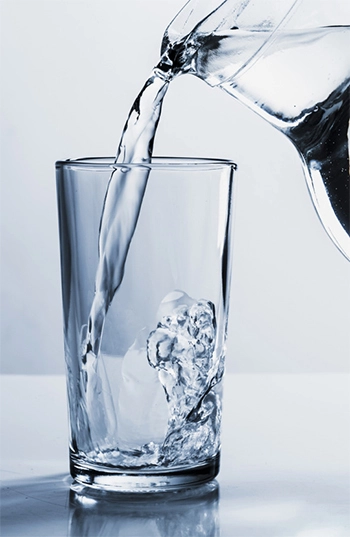
Water is the H2O compound made up of hydrogen and hydroxyl molecules. The proton and electron charges of this chemical structure are constantly in motion due to their fast reaction capacities. Like all dynamic molecules, water has an electromagnetic field and the ability to conduct and transport. In other words, water is alive. We know through technological methods that the vitality of water disappears within a short time (an average of 1-4 hours) inside plastic containers, and it becomes dead water. All the properties described about water in every source you will read about its benefits apply only to living water. Living water is kinetic (flowing streams, brooks, fountains…), or water stored in glass or earthenware containers. Living water is life!
Keeping bicarbonate levels high in the blood is one of the most effective ways to prevent the formation of acidosis. The most effective way to achieve this is to consume living and alkaline water. Water, a powerful solvent, makes up 90% of blood. Nutrients, vitamins, minerals, waste substances, and dead cells are transported by blood. The fluidity of blood and connective tissue is important for a healthy body. The water we need is an average of 40 ml per kilogram of body weight.
 Achieving Regulation Through Neural Therapy
This is an injection treatment applied to relevant areas of the body. With these properties, neural therapy is a regulation, that is, an ordering, treatment. Neural therapy increases 3 basic types of circulation in the body:
- Blood circulation
- Lymph circulation
- Nerve conduction
These three circulations respectively nourish the tissue, cleanse it, and enable it to function more regularly. In this way, the necessary conditions are provided for slowing down or preventing all factors that cause the body to age. For this reason, neural therapy, in addition to being used in pain treatment, is a natural anti-aging method.
Dr. Hüseyin NAZLIKUL, M.D., PhD.
IFMANT = President of the International Federation of Neural Therapy
President of the Scientific Neural Therapy Regulation Association
Sources Used:
• Nazlikul, H: Neural Therapy Textbook
• Nazlikul, H: Neural Therapy - Another Treatment Is Possible
• H. Barop's (Translator H. Nazlikul) Atlas of Neural Therapy
• L. Fischer's (Translator H. Nazlikul and Y. Tamam) Neural Therapy Book
• James W. McNabb (Translator H. Nazlikul and Y. Tamam) Joint and Soft Tissue Injections
• Weinschenk, S: Neuraltherapie
• Fischer, L et al: Lehrbuch Integrative Schmerztherapie