


Which Regions Does Neural Therapy Target? Neural therapy is a treatment method that aims to…

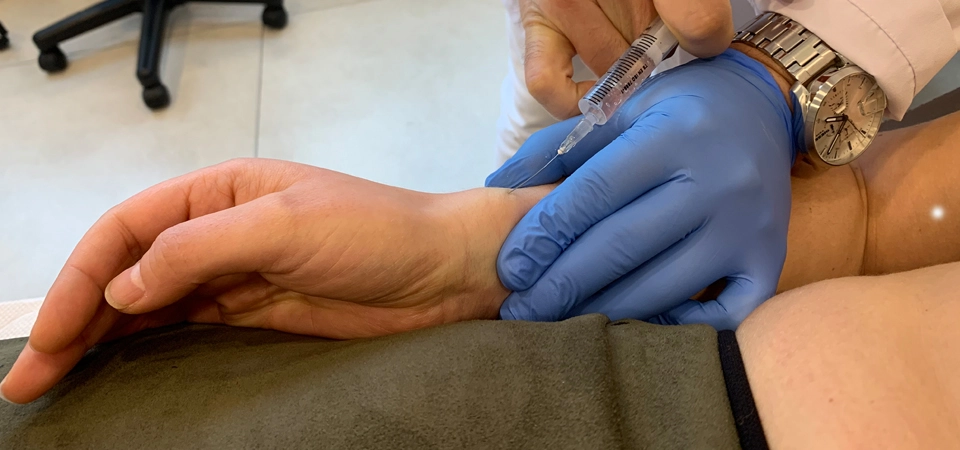
Neural therapy has a broad range of applications for both diagnosis and treatment. However, the regions and methods to which neural therapy is applied vary depending on the patient's condition, symptoms, and treatment goals.
Regions Where Neural Therapy Is Applied
Neural therapy can be applied to different regions and structures of the body. These include:
- Segmental Treatment (Dermatomes and Myotomes):
- Neural therapy is applied to regulate nerve conduction in specific segments of the body (for example, the skin, muscle, and organ areas linked to a spinal segment).
- Purpose: To achieve regulation of the sympathetic and parasympathetic nerves in the relevant segment.
- Areas of Use: Pain and functional disorders in the back, lower back, neck, abdomen, and chest regions.
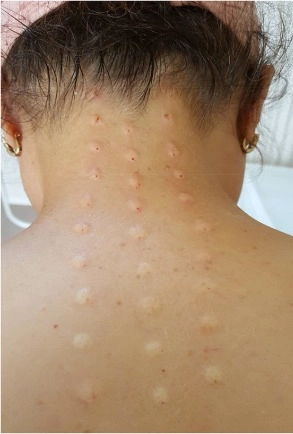 Ganglion Treatment:
- Regulation of the autonomic nervous system is targeted especially through injections into the sympathetic ganglia.
- Example: Injection into the stellate ganglion (in the neck region) or the lumbar sympathetic ganglia.
- Spinal Nerve Injections:
- Injections applied to the nerve roots exiting the spinal cord.
- Purpose: Pain control and reduction of inflammation at the nerve root level.
- Areas of Use: Conditions such as lumbar disc herniation, sciatic pain, disc hernias.
- Skin and Subcutaneous Injections:
- Neural therapy can also be applied to superficial skin and subcutaneous tissues.
- Purpose: To regulate interference fields on the skin and increase circulation.
- Areas of Use: Scars, old surgical scars, chronic pain.
- Muscles and Ligaments:
- Applied to important components of the musculoskeletal system such as muscle tissue, ligaments, and facet joints.
- Purpose: To reduce pain and tension in the musculoskeletal system.
- Areas of Use: Fibromyalgia, tendinitis, sports injuries.
- Intravenous Applications:
- When deemed necessary, intravenous injections are used to clear toxins or improve circulation.
- Intra-Arterial Application in the Lower Extremities: Arterial injections may rarely be performed for circulatory disorders in the lower extremities.
Neural Therapy and Its Diagnostic Function
Neural therapy is not only a treatment method but also a powerful diagnostic tool. According to Horst Ferdinand Herget's definition, 70% of neural therapy applications serve diagnosis and 30% serve treatment.
- Diagnostic Use:
- Changes in the patient's symptoms during the injection can guide the identification of the location and effect of interference fields.
- For this reason, neural therapy is an important tool for reaching an accurate diagnosis and identifying the source of the problem.
Regions Where It Should Not Be Applied
Although neural therapy has a broad range of applications, certain regions and conditions require caution:
- Head and Skull Region:
- Caution: Intravascular injections should not be performed in the head and skull region. This can cause serious complications.
- Exception: It can be carefully applied for diagnostic purposes in a monitored setting.
- Contraindicated Conditions:
- Careful evaluation is required in patients with acute infections, malignancies, bleeding disorders, or clotting problems.
Treatment Goal:
The purpose of neural therapy is to focus on a specific region of the body, get to the source of the problem, and relieve symptoms through regulation of the autonomic nervous system. To this end:
- Identification of the Problem Area: The specific problem area must be determined for each patient.
- Local and Systemic Applications: Both local and systemic treatment can be applied when necessary.
Conclusion
Neural therapy has a broad range of applications, from segments to ganglia, from muscles to intravenous applications. However, for successful treatment, the application regions must be carefully chosen and the patient thoroughly evaluated. Rather than applying the same standard treatment to every patient, an individualized approach tailored to each patient's needs should be adopted.
This approach will maximize the effectiveness of neural therapy in both diagnosis and treatment. When applied with the correct techniques, neural therapy is a powerful method that can achieve successful results in many conditions. For more detailed information, you may refer to the book written by Hüseyin Nazlikul, “Nöralterapi: Başka Bir Tedavi Mümkün – Destek Yayınları” or “Nöralterapi – Nobel Kitabevleri”.