


Is Neural Therapy a Cure-All? - Neural therapy is a treatment method that aims to offer solutions…

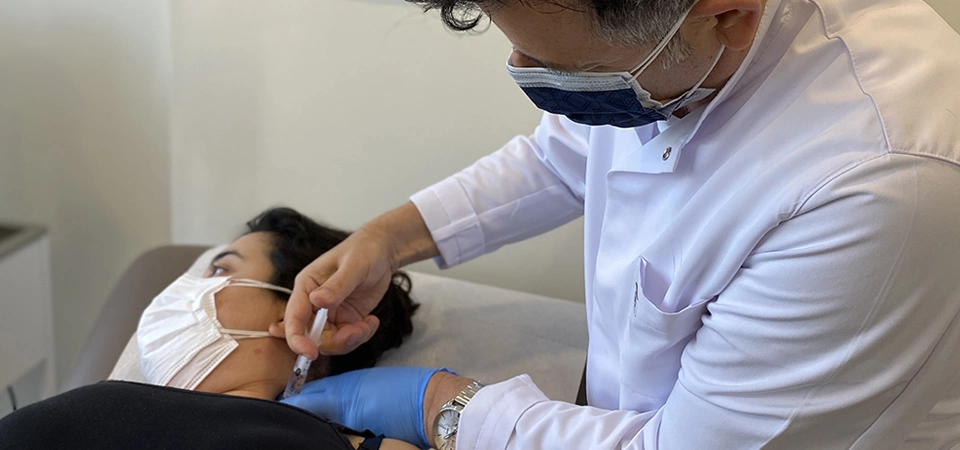
However, this method is not suitable or effective for every illness. Correct diagnosis, appropriate patient selection, and correct application play a critical role in the success of neural therapy. Perceiving it as a "cure-all" can misdirect treatment outcomes and lead to disappointment.
1. The Importance of Correct Diagnosis
Neural therapy is an effective treatment method when applied on the basis of a comprehensive evaluation and correct diagnosis. However:
- History and Physical Examination: The patient's past medical history (anamnesis) should be questioned in detail and supported by a physical examination.
- Manual Diagnosis: Manual diagnostic techniques should be applied to identify the patient's problematic areas and interference fields.
- Suitability for Indications: First, it should be determined whether the patient falls among the indications for neural therapy. This helps avoid unnecessary applications and incorrect treatment approaches.
2. Elimination of Yellow and Red Flags
Not every patient may be suitable for neural therapy. For this reason, there are conditions called "yellow" and "red flags" that need to be paid attention to before starting treatment:
- Yellow Flags: Potential risk factors that need to be paid attention to before treatment. For example:
- Use of blood-thinning medication
- Bleeding or clotting disorders
- Red Flags: Refer to conditions that are absolute contraindications for treatment. For example:
- Acute infections
- Malignant diseases
- Severe systemic diseases
Evaluating these factors increases the safety of the treatment process and provides the most suitable approach for the patient.
3. Focusing on the Correct Target
Rather than offering a general solution in every situation, neural therapy aims to create regulation on specific segments and the sympathetic nervous system:
- Local Injection Sites: By focusing on the patient's problematic segment or area, regulation of the sympathetic nervous system and autonomic nervous system is achieved.
- Avoiding Whole-Body Applications: Rather than unnecessarily using liters of procaine or lidocaine, a specific approach targeting the source of the problem should be adopted.
- Goal: The goal should not be merely temporary relief of symptoms, but lasting healing directed at the fundamental cause of the illness.
4. The Defined Indications of Neural Therapy
Neural therapy has a defined list of indications for certain illnesses and conditions, and its effectiveness in these conditions is supported by scientific studies:
- Pain Treatment: Migraine, tension-type headache, lower back and neck pain.
- Chronic Inflammations: Chronic inflammatory diseases such as sinusitis and tendinitis.
- Circulatory Problems: Raynaud's phenomenon, peripheral circulatory disorders.
- Autonomic Nervous System Disorders: Autonomic dysfunctions such as digestive problems and irritable bowel syndrome.
In these conditions, neural therapy is an effective method for relieving symptoms and improving the patient's overall quality of life.
5. Neural Therapy and Managing Expectations
- Illness-Specific Approach: Every illness has a different treatment protocol and response time. For this reason, rather than expecting miraculous results from neural therapy, a process appropriate to the logic of the treatment should be followed.
- Expertise and Training: For treatment to be effective, this method needs to be applied by a specialist physician using correct techniques.
6. Conclusion
Neural therapy should not be seen as a cure-all method; it should be regarded as a treatment approach that produces effective results when applied with correct diagnosis, appropriate indications, and patient selection. Treatment should be individualized according to the patient's needs and applied by achieving autonomic nervous system regulation in problematic areas. In this way, the effectiveness of neural therapy is increased, and a lasting contribution can be made to patients' healing process.
In the right hands, applied to the right patient, neural therapy will continue to be a powerful supportive treatment method in medicine. For more detailed information, you can refer to the book "Neural Therapy - Another Treatment Is Possible – Destek Yayınları" or "Neural Therapy – Nobel Kitabevleri," written by Hüseyin Nazlikul.