


Neural Therapy for Chronic Pain Management: Its Contributions to Functional Recovery Chronic pain…

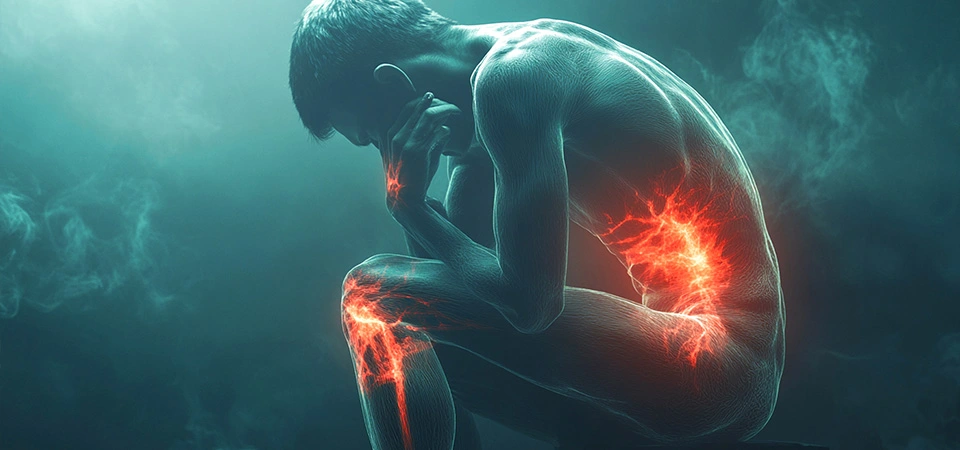
While traditional approaches to chronic pain management generally focus on suppressing symptoms, they do not address the underlying causes of the pain. Neural therapy (NT) offers a unique and effective treatment method by targeting disturbances in the autonomic nervous system (ANS) and the body's broader regulatory systems. This article aims to comprehensively address how neural therapy functions in chronic pain management and how it contributes to functional recovery.
1. Understanding Chronic Pain: Beyond Symptom Management
Chronic pain is not merely a persistent discomfort but a complex condition involving multiple systems, including the nervous system, the immune system, and emotional regulation pathways. While acute pain serves to protect the body by signaling an injury or damage, chronic pain can often persist without an ongoing cause or even after tissue healing. Factors that contribute to chronic pain include:
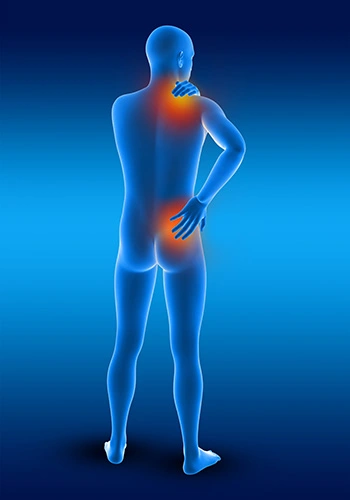 Nervous System Disorders: Maladaptive changes in the central and peripheral nervous systems can heighten pain perception.
- Inflammation: Chronic inflammation can sustain or worsen pain.
- Interference Fields: Small foci of dysfunction in the body, such as old scars or surgical scars, can disrupt normal nerve communication and lead to pain.
- Psychosocial Factors: Emotional and psychological stress can intensify chronic pain and contribute to the persistence of discomfort.
2. Neural Therapy: Concept and Mechanism
Neural therapy is based on the principle of regulating the autonomic nervous system and correcting interference fields. Treatment typically involves injecting local anesthetics such as procaine or lidocaine at specific points, thereby normalizing electrical and neural communication. By correcting disturbances in the nervous system, neural therapy offers a deeper and more systemic approach to pain management.
2.1. Core Mechanisms of Neural Therapy
Neural therapy targets the following mechanisms to relieve chronic pain:
- Regulation of the Autonomic Nervous System: The autonomic nervous system (ANS) controls involuntary bodily functions such as blood circulation, digestion, and immune responses. In chronic pain conditions, the ANS is often dysregulated, causing imbalances in these systems. Neural therapy reduces pain signals by restoring balance within the ANS.
- Interruption of Pathological Reflex Arcs: Chronic pain can result from abnormal reflex arcs within the nervous system, and pain signals may persist even after the original injury has healed. Neural therapy can reset the body's pain responses by breaking these reflex arcs.
- Elimination of Interference Fields: Interference fields are areas where normal function has been disrupted, such as old scars, dental problems, or previous traumas. These areas can disrupt the transmission of nerve signals and cause chronic pain. Neural therapy relieves pain by reorganizing nerve communication through injections into these areas.
- Regulation of Chronic Inflammation: Neural therapy can reduce the chronic inflammation associated with conditions such as arthritis and fibromyalgia. The local anesthetic properties of procaine reduce inflammatory cytokines and support tissue healing.
3. Types of Chronic Pain That Neural Therapy Can Manage
3.1. Musculoskeletal Pain
Chronic pain in the musculoskeletal system is often associated with conditions such as fibromyalgia, osteoarthritis, and chronic low back pain. These conditions typically involve muscle spasms, restricted movement, and persistent discomfort. Neural therapy reduces muscle tension, alleviates inflammation, and improves mobility through local and systemic nerve regulation.
- Case Example: A patient with chronic low back pain associated with facet joint syndrome shows marked improvement after procaine injections into the relevant spinal segments. As nerve activity normalizes, pain decreases and mobility is regained.
3.2. Neuropathic Pain
Neuropathic pain results directly from nerve damage and is characterized by burning, tingling, or electric-shock-like pain. Conditions such as postherpetic neuralgia, diabetic neuropathy, and sciatica can be effectively managed with neural therapy.
- Case Example: A patient with diabetic neuropathy experiences relief as abnormalities in pain signaling improve following neural therapy sessions that target autonomic imbalances and restore nerve function.
3.3. Headaches and Migraines
Chronic headaches and migraines are associated with dysfunctions of the trigeminal nerve, cervical spine, and autonomic nervous system. Neural therapy significantly reduces both the frequency and severity of headaches by targeting autonomic imbalances in the head and neck region.
- Case Example: Patients experiencing chronic tension-type headaches report a marked reduction in headaches following neural therapy sessions targeting the occipital nerves and cervical spine segments.
4. Functional Recovery with Neural Therapy
Effective management of chronic pain is not limited to pain relief alone; it also involves enhancing the individual's overall functioning. By correcting imbalances in the nervous system and eliminating interference fields, neural therapy activates the body's broader capacity for healing and regulation. This not only reduces pain but also improves patients' physical, emotional, and psychological well-being. For this reason, neural therapy has the potential to provide both short-term pain control and long-term functional recovery.
Dr. Hüseyin NAZLIKUL
IFMANT = President of the International Federation of Medical Associations for Neural Therapy
President of the Scientific Neural Therapy Regulation Association