History of Neural Therapy

The founders of neural therapy were two German doctors, Walter and Ferdinand Huneke. In fact, it all started as a coincidence. In 1925, Walter Huneke accidentally injected his sister, who suffered from migraines, with a procaine painkiller into a vein instead of injecting it intramuscularly. Her migraine attack suddenly disappeared. Dr. Huneke reported that the procaine part of the drug was the part that provided the pain relief. Together with his brother (1898-1974), also a doctor, he began to study the effects of procaine and 3 years later (1928) he made another discovery. Dr. Huneke administered procaine to a patient with a headache. But here he injected the drug into the tissue instead of the vein. However, the patient quickly recovered from the pain, just like Huneke's sister.
Huneke then stated that the improvement in these two patients was due to the electrical reaction of the vegetative nervous system. He and his sister jointly published the paper "The Unknown Long-Term Effects of Local Anesthetics" in 1928. Subsequently, the Huneke brothers treated their patients by injecting procaine into the problem area.
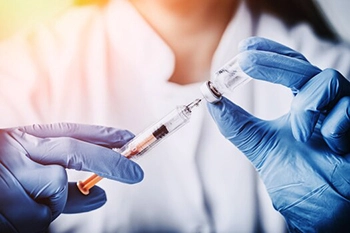
Ferdinand Huneke first discovered the interference field in 1940. When Dr. Huneke examined a female patient with chronic inflammation of the right shoulder joint, he saw a painful sore on her lower left leg. When Huneke injected injections around this wound, he observed that the pain in the woman's shoulder disappeared. Today, after Huneke, neural therapy has spread to many countries around the world outside Germany. For example, it is a widely-used regulatory treatment in Austria, Switzerland, Belgium, Colombia, Argentina, Argentina, Peru, the Netherlands, France, Spain, Italy, Czech Republic, Russia, Greece, Bulgaria, Turkey, Mexico, Latin America, the United States and Canada.
Since 1958, there is the International Neural Therapy Society (IGNH), of which physicians practicing neural therapy are members. In addition, many medical schools, notably the University of Heidelberg, offer training in neural therapy as a discipline. Here, medical students must prove that they are enrolled in an 18-hour course sequence in neural therapy before taking the state-organized graduation exam. In addition, a lot of scientific research is carried out at these universities. The University of Bern in Switzerland has had an official Department of Neural Therapy since 2002. For students at the Bern Medical School, neural therapy is part of their medical education. In Mexico, Neural Therapy is a specialty. In Colombia it is a super-specialty. In Austria it is a minor. Research continues very intensively in these countries.
The effectiveness, economic benefits and fitness for purpose of neural therapy have been proven in studies that have been heavily invested in the past years. Other chairs of neural therapy are located in different universities in countries such as Mexico, Cuba and Colombia. Neural therapy is also used in veterinary medicine.
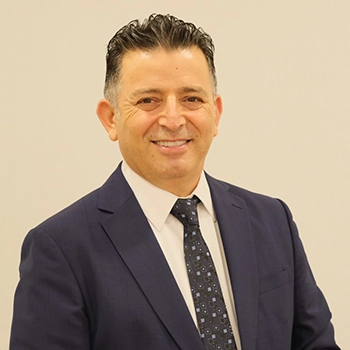
In our country, the Scientific Neural Therapy and Regulation Association (BNR) was founded by Dr. Hüseyin Nazlıkul on 01.12.2004 in order to introduce Neural Therapy, one of the most important elements of complementary medicine, to Turkish physicians and to ensure its use in the practical applications of physicians. Since then, many congresses, symposiums and the World Neural Therapy Congress have been organized. Trainings for physicians are also continuing to increase.
The physicians who participate in the training programs of the Scientific Neural Therapy and Regulation Association (BNR) from all over Turkey are especially those who have devoted their hearts to complementary medicine practices and are pioneering the work done in this field in the cities where they live. These physicians are working hard to make complementary medicine more and more widespread in our country, just like in Europe.
Founded in 2012, Dr. Hüseyin Nazlıkul, founding member, second chairman and chairman of the scientific board of IFMANT, was elected as IFMANT president at the general assembly at the Forum Neural Therapy International Congress in Vienna on 05.10.2019. IFMANT is the most effective institution accepted by the World Health Organization (WHO-WHO) and has 28 associations under the roof of the federation. IFMANT is also a member of the European Expertise Commission. Dr. Hüseyin Nazlıkul is the spokesperson of this commission on neural therapy on behalf of this organization. He is also the president of the Turkish Neural Therapy Association, which brought neural therapy to our country and operates under the umbrella of IFMANT. In addition to IFMANT, Dr. Nazlikul is a member of the HUNTER- Heidelberg Medical Faculty Neural Therapy Research Group, Honorary Member of the Scientific Board and Honorary Member of the IGNH, Honorary Member and Scientific Working Group Member of SANTH (Swiss Neural Therapy Association) and member of many neural therapy associations and was awarded the Huneke Medal, the highest award of neural therapy in 2008.
Dr. Hüseyin NAZLIKUL
IFMANT = President of the International Federation of Neuraltherapy
President of the Scientific Neural Therapy Regulatory Association
Sources I Have Utilized:
- Nazlikul, H: Neural Therapy Textbook
- Nazlikul, H: Neural Therapy Is Another Treatment Possible
- Atlas of Neural Therapy by H. Barop (Translator H. Nazlikul)
- The Neural Therapy Book by L. Fischer (Translator H. Nazlikul and Y. Tamam)
- James W. NcNabb (Translator H. Nazlikul and Y. Tamam) Joint and Soft Tissue Injections
- Weinschenk, S: Neuraltherapie
- Fischer, L et: Lehrbusch Integrative Schmeztherapie