


Shoulder and Elbow Pain: Causes of Local and Referred Internal Organ Problems with a Holistic…

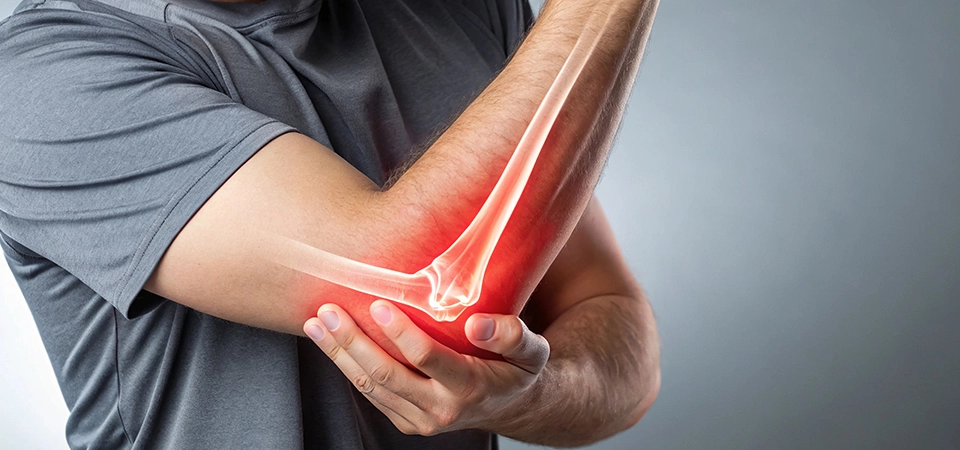
Shoulder and elbow pain can be linked not only to musculoskeletal problems but also to pain referred from internal organs. Viscerosomatic reflexes, autonomic nervous system dysfunctions, and fascial chain connections play an important role in the formation of this pain. In addition to the musculoskeletal system, the relationship between the nervous, circulatory, and lymphatic systems affecting the shoulder and elbow must also be carefully considered.
In this article, the causes, diagnostic methods, and treatment approaches for shoulder and elbow pain are examined within the context of manual medicine, neural therapy, and regulation medicine.
Causes of Shoulder and Elbow Pain
Locally Sourced Problems
Shoulder Pain
- Rotator Cuff Injuries: Inflammation or tearing of the muscles and tendons around the shoulder.
- Frozen Shoulder (Adhesive Capsulitis): Associated with stiffening of the joint capsule and restricted movement.
- Shoulder Impingement Syndrome: Pain occurs due to compression of muscles and tendons.
- Biceps Tendinitis: Causes pain and restricted movement in the front of the shoulder.
Elbow Pain
- Lateral Epicondylitis (Tennis Elbow): Inflammation of the tendons on the outer part of the elbow due to overuse.
- Medial Epicondylitis (Golfer's Elbow): Inflammation of the tendons on the inner part of the elbow.
- Olecranon Bursitis: Inflammation of the bursa at the back of the elbow.
Referred Internal Organ Problems
Internal Organs Associated with Shoulder Pain
- Heart: Left shoulder pain is generally associated with angina or myocardial infarction.
- Lungs: Pleural inflammation or lung infections can cause pain in the right or left shoulder.
- Liver and Gallbladder: Right shoulder pain can be associated with gallstones or liver dysfunction.
- Stomach and Esophagus: Reflux or esophageal spasm can produce pain referred to the shoulder region.
Internal Organs Associated with Elbow Pain
- Heart and Lung: Left elbow pain can be associated with heart disease.
- Kidneys: Pain referred to the elbow region, particularly the medial side, can indicate kidney problems.
- Liver: Liver dysfunction can be associated with right elbow pain.
The Role of the Vegetative Nervous System
The Autonomic Nervous System and Reflex Pain
- Sympathetic Nervous System: Sympathetic stimuli coming from internal organs can create viscerosomatic reflexes in the shoulder and elbow. For example, a problem in the gallbladder can cause pain in the right shoulder through the sympathetic nerves.
- Parasympathetic Nervous System: Parasympathetic dysfunction can play a role in the formation of inflammation and chronic pain.
The Mechanism of Viscerosomatic Reflexes
Pain signals coming from internal organs combine with the somatic nerves supplying the same segment, causing pain in the corresponding musculoskeletal regions.
Nazlikul's Diagnosis of Shoulder and Elbow Pain
Clinical Evaluation
- Taking a History: Questions about the duration of the pain, triggering factors, and referred pain.
- Physical Examination: Manual diagnosis, musculoskeletal examination, range of motion, and palpation.
Segmental Evaluation
- The spinal segments related to the shoulder and elbow (C5-T1) are evaluated by palpation.
- Viscerosomatic reflexes and autonomic nervous system activation are tested.
Imaging Techniques
- MRI and CT: To evaluate joint and muscle problems.
- Ultrasonography: For the diagnosis of tendon and bursa problems.
Laboratory Tests
- Blood tests and biochemistry are evaluated when an internal organ disease is suspected.
Nazlikul's Treatment Approaches for Shoulder and Elbow Pain
Regulation Through Neural Therapy
Neural therapy is an effective method for regulating the autonomic nervous system and viscerosomatic reflexes:
- Treatment of Interference Fields: Treatment of interference fields such as dental infections, scars, and chronic inflammation foci.
- Segmental Neural Therapy: Reducing viscerosomatic reflexes through local anesthetic applications to the C5-T8 segments.
- Stellate Ganglion Block:
- Regulation of sympathetic dysfunction and relief of chronic pain.
Manual Medicine Approach
 Manual therapy targets the mechanical causes of shoulder and elbow pain:
- Joint Mobilization: Resolving restricted movement in the shoulder and elbow joints.
- Fascial Manipulation: Releasing tension in the fascial chains.
- Muscle Relaxation Techniques: Reduces pain caused by muscle spasms.
- Postural Correction: Correcting the alignment of the scapula and spine.
Supportive Approaches Through Regulation Medicine
- Anti-Inflammatory Nutrition:
- Reducing inflammation with omega-3 fatty acids, magnesium, and antioxidants.
- Gut and Microbiota Support: Improving gut health is important for controlling systemic inflammation.
- Lymphatic and Venous Drainage:
- Supporting lymphatic circulation facilitates the elimination of toxins.
Exercise and Physical Rehabilitation
- Physical Exercise: Strengthening the shoulder and elbow muscles and increasing their flexibility.
- Physiotherapy: Resolving chronic inflammation and restricted movement.
Nazlikul's Holistic Treatment Protocol
Patient Evaluation: Manual diagnosis, clinical examination, segmental evaluation, and analysis of the autonomic nervous system are performed.
Treatment Plan:
- Neural Therapy: Treatment of interference fields and segmental regulation.
- Manual Medicine: Joint mobilization, fascial manipulation, and muscle relaxation techniques.
- Regulation Medicine: Nutrition and inflammation control.
Long-Term Support:
• Postural training, physical exercise, and stress management techniques.
Conclusion
Shoulder and elbow pain is associated with both local mechanical problems and referred internal organ problems. Neural therapy, manual medicine, and regulation medicine provide effective treatment by targeting the causes of this complex pain.
With a holistic approach, the sources of a patient's pain can be addressed and long-term recovery achieved. This is a critical treatment method for improving quality of life in shoulder and elbow pain.
Dr. Hüseyin Nazlikul, M.D., PhD.
President of IFMANT, BNR, MTAR
Specialist in General Medicine - Medical Biophysics
President of IFMANT (International Federation of Medical Associations of Neural Therapy)
President of the Turkish Neural Therapy Society
President of the Turkish Manual Medicine- Pain Regulation Association
Hakkı Yeten Cad. Vital Fulya Plaza No:23 Kat:3 Fulya 34394 Şişli – İstanbul
Tel: 0 (212) 219 19 12 or 219 09 00 Fax: 0 (212) 219 18 38