


Protection From the Common Cold and Flu Is Necessary During the Pandemic! Cold and flu illnesses…


Symptoms of the Common Cold
- Sneezing, runny nose, swelling of the mucous membranes
- Cough, hoarseness, sore throat and neck pain
- Headache, burning eyes
 Common Cold and Flu: Cold and flu illnesses share many common features (cough, sore throat and neck pain), but they also have their differences. Flu generally starts suddenly. As a rule, fever in the flu is higher than that seen in a common cold, and the patient also feels much weaker.
Causes of the Common Cold
The common cold is caused by a viral infection of the upper respiratory tract. Afterward, it becomes easier for other agents, such as bacteria, to enter the body. With the participation of many microorganisms, a "flu-like mixture" of illness symptoms of varying severity emerges.
An unresolved cold can trigger more severe illnesses such as pneumonia, bronchitis, tonsillitis, and chronic respiratory tract inflammation.
The symptoms of Covid-19 also appear just like an upper respiratory tract infection, like a common cold.
COVID-19 affects different people in different ways. Most infected people develop mild to moderate symptoms and recover without being hospitalized.
Symptoms seen in Covid-19;
Most common symptoms:
- Dry cough
- Fever
- Fatigue
Serious symptoms:
- Difficulty breathing or shortness of breath
- Chest pain or pressure in the chest
- Loss of speech or movement
Other rarely seen symptoms:
- Sore throat
- Aches and pains
- Diarrhea and constipation
- Conjunctivitis
- Loss of taste or smell
- Tension-type headache
- Skin rash or discoloration of the fingers or toes
 The most important points for preventing Covid-19 and viral flu infections are;
- Eating a healthy and balanced diet with fresh, organic foods
- Exercising in fresh air
- Drinking plenty of clean water (bottled water or clean tap water)
- Replacing any missing micronutrients
Having a healthy gut flora is important for the immune system!
- The most important micronutrients for the immune system are zinc and vitamin C. In the event of infection, we need large amounts of both. You can also use these for a short time as a precaution during periods when the risk of infection is elevated.
- You should pay attention to keeping your feet warm, especially during infections (flu, coronavirus).
- Gut care is important for a healthy immune system.
- 90% of the immune system is located in the gut. Nutrients cannot be properly absorbed from a gut that is not functioning well. In this case, our defense against infections is impaired.
Treatment against viruses
Antibiotics do not kill viruses. Nevertheless, in the case of a viral infection, they are often given to prevent superinfections that may arise from bacteria. I have observed that patients who follow the treatments I present below are almost always able to do without antibiotics. Antibiotics place an unnecessary strain on the gut.
Orthomolecular medicine biological substances that are effective against colds and cold-related illnesses:
- Vitamins (for example: A, C, E, D, B-complex)
- Minerals (for example: potassium, calcium, phosphorus, magnesium)
- Trace elements (for example: selenium, zinc, copper, manganese, iron, chromium)
- Certain proteins and amino acids (for example: arginine, methionine, cysteine, glutamate)
- Phytochemicals (for example: flavonoids, indoles, saponin)
- Coenzymes (for example: NADH Q1, Q10)
- Fatty acids (for example: omega-3 fatty acids)
- Other supplements; choline, ginkgo biloba, ginseng, lecithin, propolis, algae, chlorella, spirulina, etc.
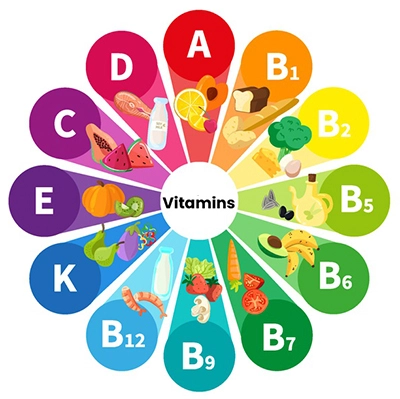 Vitamin C: strengthens the immune system and supports the body in its fight against invading foreign substances. It makes the immune system's killer cells more aggressive and mobile. In addition, thanks to vitamin C, the amount of immunoglobulin effective against cold agents increases.
When ascorbic acid is combined with a sufficient amount of bioflavonoids, its effect increases tenfold. The ideal bioflavonoid–vitamin C combination is found in foods such as broccoli, green cabbage, carrots, garlic, tomatoes, apricots, lemon, and onion. Green cabbage and broccoli are a second choice since they require cooking, because a large amount of vitamin C is lost during cooking.
Vitamin E: like vitamin C, strengthens the immune system. This vitamin is found especially in vegetable oils, whole grain products, pumpkin, asparagus, green cabbage, and avocado, but it is largely destroyed by heat and light.
Vitamin D: Vitamin D3, like vitamin C, strengthens the immune system and protects against autoimmune diseases, diabetes, heart failure, and cancer. Vitamin D3's effects on the immune system, the cardiovascular system, and cell growth are very important. Vitamin D3 strengthens the immune system and reduces susceptibility to infections.
Vitamin D is a meaningful supportive product for preventing and treating waves of flu. Vitamin D3 can also reduce the risk of flu. For example, it stimulates the production of antimicrobial substances. It reduces the infectiousness of viruses. In this way, vitamin D3 strengthens the immune system and inhibits inflammatory processes.
Vitamin D deficiency weakens the immune system and makes us more susceptible to respiratory diseases, lung infections, respiratory tract infections, and flu-like infections.
People with allergies, bronchial asthma, or chronic obstructive pulmonary disease (COPD) should avoid vitamin D deficiency. This is because the risk of respiratory tract infections resulting from such a vitamin D deficiency is up to five times higher.
Vitamin D also regulates the elasticity of blood vessels and, accordingly, the amplitude of blood pressure, with a corresponding effect on the heart and circulation.
Vitamin D deficiency also increases the stiffness of blood vessels. Studies have shown the negative effect of vitamin D deficiency on the elasticity of blood vessels. The stiffness of blood vessels also increases with age. For this reason, the amplitude of blood pressure increases over the course of a lifetime, causing structural changes in the aorta. Elasticity deteriorates. Long-term vitamin D deficiency can accelerate this process.
Patience alone!
Recovery from a cold takes time. It takes 3-4 days to get through the most difficult phase. If there is still no sign of improvement after the eighth day, a doctor should be consulted to confirm the diagnosis.