


Healthy eating starts with knowing your food groups Understanding what healthy and balanced…

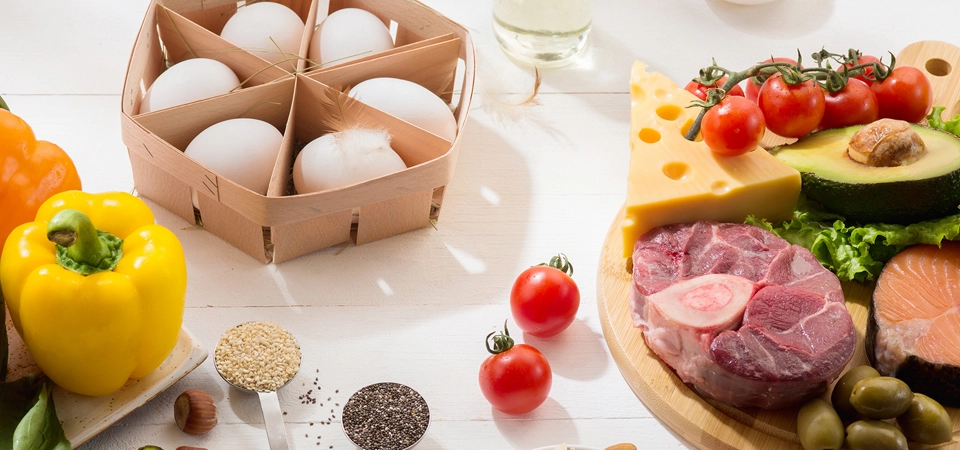
Foods consist of four food groups: milk and dairy products, meat and meat products, fruits and vegetables, and grains. The prerequisite for healthy and balanced nutrition is to consume a certain proportion from each food group and to rotate them. When any food group is consumed too little or too much, it can cause complications in the body.
Just like fingerprints, everyone's metabolism is different. That's why it's necessary to stay away from generic dietary recommendations. There are certain tests available for making a person-specific assessment. With these tests, food allergies, food intolerances, and food sensitivities can be identified. This way, foods that the person cannot digest and that cause inflammation in the body can be removed from the diet, ensuring a healthy gut flora. The body is a whole, and the gut has a very important place within this wholeness.
We can classify foods according to their chemical structure as organic and inorganic; according to the sources from which they are obtained, as plant-based and animal-based; according to their functions in the body, as energy-giving, building-repairing, and regulating; and as energy-providing foods (macronutrients) and those that enable biological processes to run (micronutrients).
Regardless of how they are classified, what matters in a healthy nutrition program is to consume the basic groups in balanced proportions and on a rotating basis.
MACRONUTRIENTS
Macronutrients are the basic food groups:
- Protein (10-20%)
- Carbohydrates (55-60%)
- Fat (20-25%)
Vitamin and mineral combinations are used all over the world to support daily nutrition and to protect against subclinical illnesses, in addition to the treatment protocols for various diseases. Since vitamins and minerals cannot be produced by the body itself, they must be obtained from food. Therefore, it is very easy to see the relationship between nutrition and a healthy immune system. However, many factors, such as climate, soil, whether the produce is raw or ripe, harvesting and cooking methods, and transportation and storage, can cause vitamin loss in fruits and vegetables. In this case, we may need to obtain the vitamins necessary for our health from outside sources through various additional vitamin supplements. Vitamins, also called micronutrients, are taken in very small amounts, unlike macronutrients, and contain no calories.
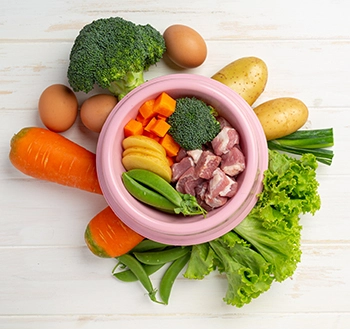 Vitamins are divided into two groups: fat-soluble and water-soluble. Vitamins A, D, E, and K are fat-soluble vitamins; their synthesis requires cholesterol, they can be stored in fat tissue, and they are released when needed. Taking these vitamins after meals increases their absorption. The other, water-soluble vitamins do not have the property of being stored.
In my next article, I will talk about vitamins, another pillar of the basic food group.
For more information on this and similar topics, you can benefit from my book "The Anti-Inflammatory Nutrition Guide."
You can find neural therapy and Hüseyin Nazlikul's other treatment methods here.
Dr. Hüseyin NAZLIKUL, M.D., PhD.
President of IFMANT = International Federation of Medical Associations of Neural Therapy
President of the Scientific Neural Therapy Regulation Association