


The main causes of digestive disorders There are many causes that can lead to digestive disorders...

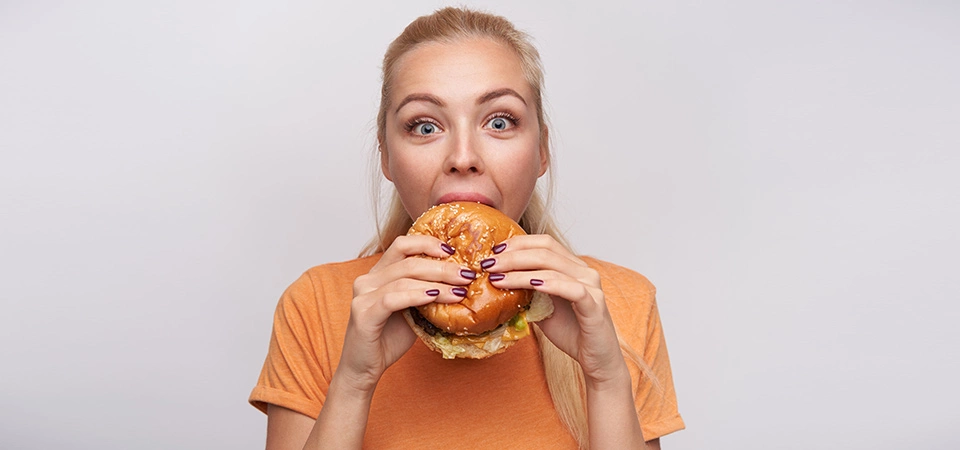
Eating quickly and frequently: The digestive process begins in the mouth with the chewing of food. Food that isn't chewed well ferments in the digestive organs. For this reason, people who don't eat slowly eventually end up having to see a doctor. If a person doesn't have time to eat properly, they should eat as much as their available time allows. The best foods we consume are only beneficial to us so long as we can digest them. Anyone who wants to protect their health should chew every bite slowly and thoroughly.
 Eating late at night: It is not advisable to go straight to bed after eating, because sleep delays digestion. This leads to waking up tired the next morning. Night meals should be light. However, for those who cannot get enough food during the day, the conditions change.
Drinking water during meals: Fluids consumed during a meal (beverages, water, fruit juice, etc.) bloat and strain the stomach. In addition, these fluids dilute the stomach's digestive juices, weakening their effect. On the other hand, cold fluids drunk during a meal halt digestion. This is because the stomach needs a certain temperature to carry out the digestive process.
Eating more than necessary: This is one of the main causes of poor digestion. People should get up from the table before feeling completely full. The best way to avoid overeating is to have fewer varieties on the table and to serve food on small plates.
Meals too close together: Both the stomach and the intestines need a certain amount of time to carry out their functions. If not eaten in excessive amounts, a normal digestive process requires 4-5 hours, and for some foods, 5-6 hours.
Doing a fruit cure one day a week, or eating nothing from after dinner until dinner the next day, is one of the secrets of staying young. We should let our digestive organs rest at least one day a week.
 Snacking between meals: This kind of habit strains the stomach and disrupts the gut flora. In this respect, an afternoon meal is unnecessary for adults.
Eating while tired or upset means our nervous system cannot properly assist with the digestive process. For this reason, it is better to eat nothing at all while in this state. Food should be eaten only after fatigue has passed or tension has been relieved. A state of extreme fatigue prevents the stomach muscles from churning food as thoroughly as needed.
Fungal infection in the intestines: In this case, a person feels extremely tired. They have an excessive craving for sugar and sweets. Excessive gas in the intestines is also present. It can sometimes even cause complaints resembling reflux.
Sleeplessness: Can lead to digestive disorders. It also depletes the nervous system's reserves, disrupting the balance of digestion.
Eating while feverish: Causes the fever to rise even further. Because a high fever dries out the digestive juices. In such cases, fasting should be practiced for a quicker recovery. In nature, no animal eats while sick.
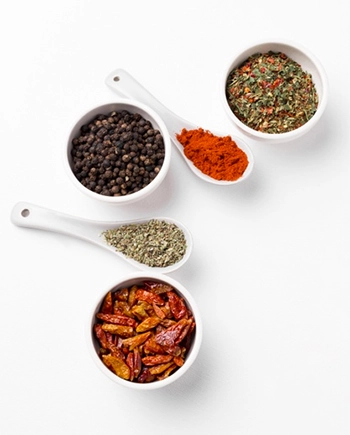 Any type of strong spice: Spices such as mustard, vinegar, black pepper, etc., especially when the stomach is weak, disrupt the digestive juices, alter the stomach's chemical composition, and lead to digestive disorders.
Unripe fruit: Should be avoided because of its high acid content.
Spoiling food: Leads to the proliferation of microorganisms and digestive disorders.
Reheated meals: The fat in food that has cooled after cooking solidifies. Bacteria remain within this solidified fat. When the food is reheated, the bacteria within it multiply rapidly. We don't see the harmful effects of eating such food immediately, but over time our liver, kidneys, gallbladder and intestines are negatively affected.
Fried foods: Regardless of the type of oil used, fried foods are generally difficult to digest. Because at high temperatures the fat breaks down, and this breakdown harms the liver.
Excessive amounts of sugar: Lead to digestive disorders. Sugar is a substance that acidifies quickly and negatively affects all organs involved in digestion.
It is possible to list even more causes of digestive disorders.
Dr. Hüseyin NAZLIKUL, M.D., PhD.
IFMANT = President of the International Federation of Medical Associations for Neural Therapy
President of the Scientific Neural Therapy Regulation Association