


Foods You Must Have on Your Table A person must take in enough nutrients in order to sustain life.


If less than the required amount of nutrients is taken in, malnutrition occurs; if more than needed is taken in, fat storage increases and excess weight results.
However, adequate nutrition alone is not enough. While eating adequately, we also need to eat a balanced diet. To eat a balanced diet, we need to obtain the energy the body needs not from a single food, but in sufficient amounts from each of the nutrients required for the body's growth, renewal, and functioning.
For a healthy adult, adequate and balanced nutrition is the correct way of eating. However, if a person exercises, has a health problem, or has a medication that interacts with food, an individualized dietary plan should be applied based on personal assessment. When we speak of proper nutrition, your diet needs to form a coherent whole with your specific circumstances.
For this reason, within the framework of the rules of adequate and balanced nutrition, you can create the most suitable and correct diet for yourself by getting to know your own body and consulting experts on the subject.
You should prefer foods that are rich in vitamins, minerals, trace elements, and secondary plant substances, but low in calories.
Foods You Must Have on Your Table
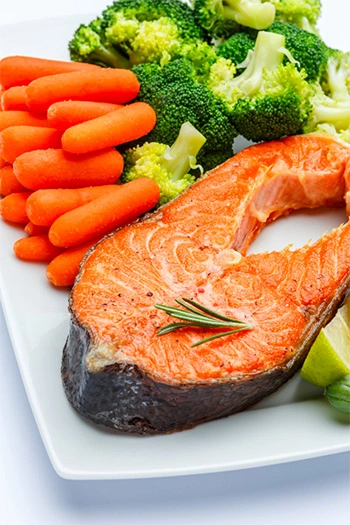 Fish, consuming seafood rich in omega-3 at least twice a week reduces the risk of heart attack. In addition, women of childbearing age and breastfeeding mothers should consume 350 grams of seafood per week.
Oily fish reduce the risk of cardiovascular disease and cancer, lower LDL cholesterol in the blood, and soothe inflammatory skin diseases.
Broccoli prevents cardiovascular disease, improves vision, and reduces cancer risk.
Walnuts are very rich in omega-3. Omega-3 reduces inflammation and raises good cholesterol. Walnuts are even known to help with depression and reduce the risk of Parkinson's and Alzheimer's disease. A few pieces of walnut added to your salad will both flavor your meal and provide health benefits.
Bell peppers stimulate blood circulation, the digestive system, and metabolism, have antibacterial effects, and reduce cancer risk.
Tomatoes reduce the risk of cardiovascular disease and cancer.
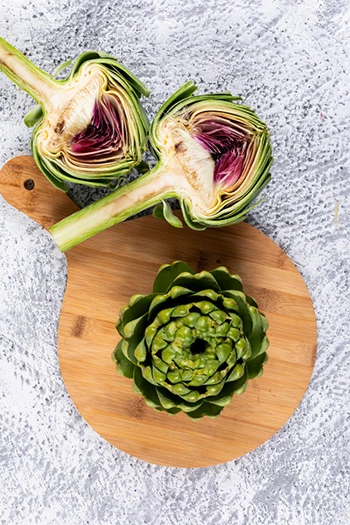 Artichoke supports liver and gallbladder function. It regulates cholesterol and sugar metabolism.
Apples contain a powerful antioxidant that increases cells' resistance to damage. They provide strong protection against damage caused by sunlight, chemical reactions, and the stress of daily life.
Beans prevent heart disease and are beneficial for colon cancer. Legumes are rich in magnesium, potassium, and fiber, making them one of your heart's best friends.
Legumes regulate blood sugar and blood pressure, and support muscle and nerve function.
Carrots reduce cancer risk and lower LDL cholesterol in the blood.
Spinach reduces the risk of cardiovascular disease and cancer, and supports vision.
Watermelon is an indispensable fruit for the table. Containing antioxidant substances, watermelon is recommended because it reduces cancer risk. It is also a natural detox fruit. Since it is a fat-free fruit, it does not cause weight gain. It is rich in vitamin C. This fruit, which also contains potassium, is worth keeping on the table when in season.
Red peppers reduce the risk of cardiovascular disease and cancer, support vision, and strengthen the immune system.
Cabbage reduces cancer risk, prevents cardiovascular disease, and supports vision.
Pomegranate is a very powerful antioxidant; it reduces the risk of cardiovascular disease and cancer, and helps a person feel better.
Orange and lemon strengthen the immune system, stimulate nerve and muscle function, and lower LDL cholesterol in the blood.
Garlic reduces the risk of thrombosis, is antimicrobial, and regulates blood sugar.
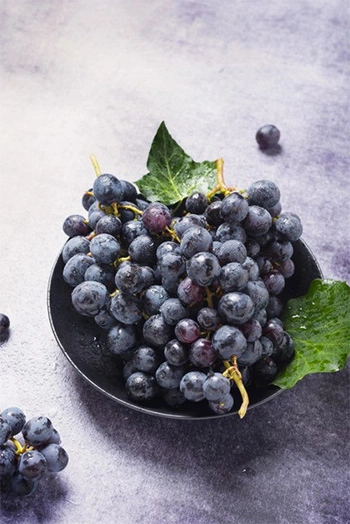 Black grapes contain particularly high amounts of antioxidants and have anticoagulant and cholesterol-lowering effects.
Onion and leek reduce clotting risk, prevent cardiovascular disease, soothe respiratory tract complaints, and are antimicrobial.
Sweet potato supports the heart, lowers blood pressure, and strengthens the immune system and vision.
Unsalted pumpkin seeds are extremely beneficial for men, particularly supportive in preventing prostate cancer.
Berries are antibacterial and support the defense system. Blueberries regulate bowel movement and provide protection against urinary tract infections. A daily intake of 300 grams of blueberry juice is sufficient. Recent research shows that blueberries help protect against the common cold, fight stomach parasites, and even contribute to protection against certain types of cancer. You can benefit from this fruit by adding blueberries to your drink, cake, or cereal.
Green leafy vegetables stimulate digestion, soothe nervous sleep disorders, and reduce the risk of cardiovascular disease and cancer.
Yogurt increases concentration, and supports the defense system and gut flora. The yogurt you consume should contain live cultures.
Olives, olive oil, and seed oils reduce the risk of cardiovascular disease and cancer, and ease digestion.
Dr. Hüseyin NAZLIKUL, M.D., PhD.
IFMANT = President of the International Federation of Medical Associations for Neural Therapy
President of the Scientific Neural Therapy Regulation Association