


Water While a human being can survive for weeks or even years with a lack of nutrients, life…

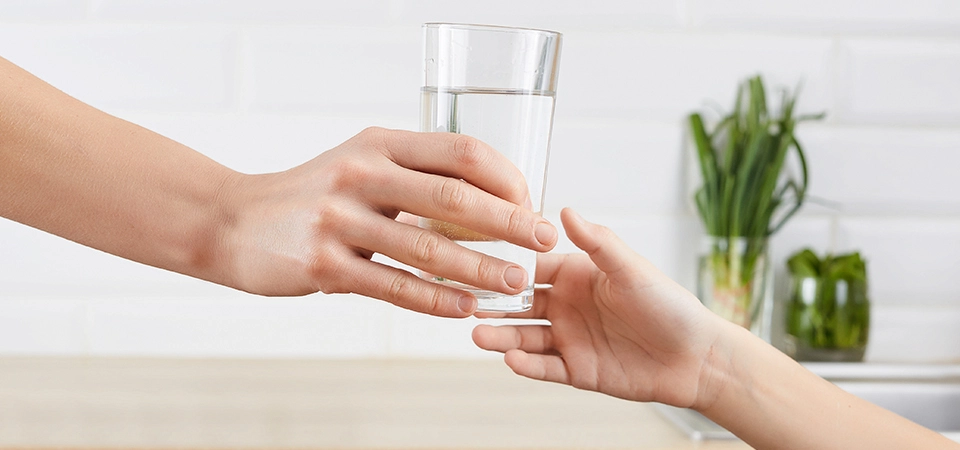
Water, which makes up 60-70% of our body, is indispensable for life. The body's water content shows individual variation and decreases with advancing age. Although the amount of water decreases, its role and importance remain the same.
The true source of water is nature; besides living water, the body's water needs can also be met with mineral water (not soda), very weak herbal teas, ayran, and fresh fruit and vegetable juices. The source of water is not only liquids that are drunk; the water produced from the breakdown of food also meets part of our need. Still, the most valuable beverage is always water. As important as the amount of water consumed is when it is consumed and its quality. In particular, living water is water taken from a glass bottle, an earthenware container, or a flowing stream, or water that has been revitalized by certain medical systems.
Tea, coffee, and alcoholic and non-alcoholic beverages are none of them a substitute for water. Tea, coffee, soft drinks, or alcohol, which are consumed heavily in our country, not only fail to meet the body's water needs, but also increase the body's water requirement, since they are diuretic (water-eliminating).
How much water should we drink?
One of the most frequently asked questions is how much water is needed daily. The answer usually given to this question is 1.5-2 liters. But every individual's water needs are different. The amount that has been scientifically proven through studies is 40 ml/kg. This amount needs to increase when exercising (at least 500 ml should be drunk beforehand, 250 ml during exercise, and an additional 500 ml afterward), when consuming caffeinated and alcoholic beverages (an additional average of 200 ml of water should be drunk per glass), and up to 50 ml/kg during the summer months.
If you can't measure the water you drink daily and wonder whether it's sufficient, the most practical way to find out is by monitoring the color of your urine; light-colored, nearly water-colored, and odorless urine is an indicator that sufficient water has been consumed.
Why should we drink water?
Being dehydrated is as much a factor that facilitates or lays the groundwork for the development of illness as it is an important factor that prevents healing. A dehydrated body cannot be expected to be healthy.
When the daily water requirement is not met, the density of the blood increases, and less oxygen and fewer nutrients are carried to the organs (as a result of which hypoxia becomes evident); chronic dehydration (fluid and water loss) occurs in the cells, and the immune system weakens; a body that cannot be cleansed becomes acidic over time and lays the groundwork for illness. Dehydration is the road to acidity, and acidity is the road to illness. The disadvantages of dehydration will confront us sooner or later, whether young or old, whether ill or in a period of recovery.
We can list the functions and importance of water in the body, which is as vital to sustaining human life as oxygen, as follows:
- It is a fundamental substance for the healthy nourishment of tissue.
- By being present in saliva and gastric secretions, it supports the breakdown and digestion of food.
- It enables the elimination of toxins and other waste products from the body.
- It regulates body temperature.
- It ensures the kidneys function well.
- It lubricates the joints.
- It plays an important role in all reactions within the cell.
- It increases vitality.
- This list goes on and on... Because water is life.
What are the symptoms of dehydration?
The condition resulting from a person's lack of the habit of drinking water is called a dry body, a dehydrated body, or a body in a state of dehydration. Thirst is an urge that is forgotten and then remembered. A person without the habit of drinking water may initially notice no signs of dehydration. However, chronic dehydration has a meaningful role in the development of many conditions, including weakness, fatigue, hot flashes, digestive complaints such as indigestion, burning, and constipation, back and joint pain, changes in body temperature, poor concentration, loss of muscle strength, headache, dizziness, asthma, allergies, stress, aging, high blood pressure, and metabolic disorders.
In fluid loss that can develop with severe vomiting and diarrhea, such as in food poisoning, gastritis, intestinal infection, or heatstroke, the dominant picture is one of fluid and electrolyte loss dominated by weakness, fatigue, muscle pain, fever, and chills. The most effective treatment for these conditions as well is intravenous fluid replacement. The fact that a patient begins to revive within minutes with IV fluid therapy is also one of the indicators of the importance of water. Yes, water is life!
SIGNS OF DEHYDRATION IN THE BODY
In a body that lacks the habit of drinking water and sustains itself on tea, coffee, and acidic beverages, certain typical characteristics appear after a certain age (past middle age). However, it should be kept in mind that the symptoms mentioned may not be signs of dehydration alone.
- Dry skin
- Skin wrinkling
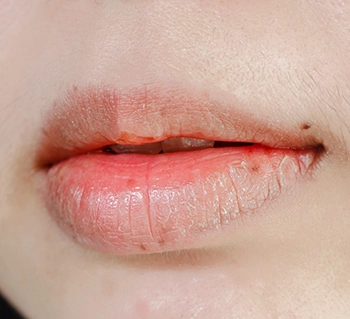
- Cracked lips
- Wrinkling of the hands (not appropriate for one's age)
- Dry mouth
 Dry hair
- Brittle nails
- Redness of the skin, redness that increases with touch
- Frequent headaches
- Coldness in the hands and feet and getting cold easily
- Itching in the upper arms
- Edema and painful cellulite in the legs
- Getting tired quickly
- Frequent hunger
- Constipation
Recommendations for Developing the Habit of Drinking Water
- Measure how much water you need to drink
- Drink water in small amounts without forcing yourself
- Keep water with you in every setting
- If you don't like the taste of water, flavor it (with a slice of lemon, strawberry, mint, or apple)
- Meet part of your fluid needs with herbal teas
- Reduce the amount of beverages like tea and coffee that you think quench your thirst
For more information on this and similar topics, you can benefit from my book "The Anti-Inflammatory Nutrition Guide."
You can find neural therapy and Hüseyin Nazlikul's other treatment methods here.
Dr. Hüseyin NAZLIKUL, M.D., PhD.
President of IFMANT = International Federation of Medical Associations of Neural Therapy
President of the Scientific Neural Therapy Regulation Association