


Tinnitus: Causes and a Holistic Treatment Approach Tinnitus is a symptom characterized by sounds…

Introduction
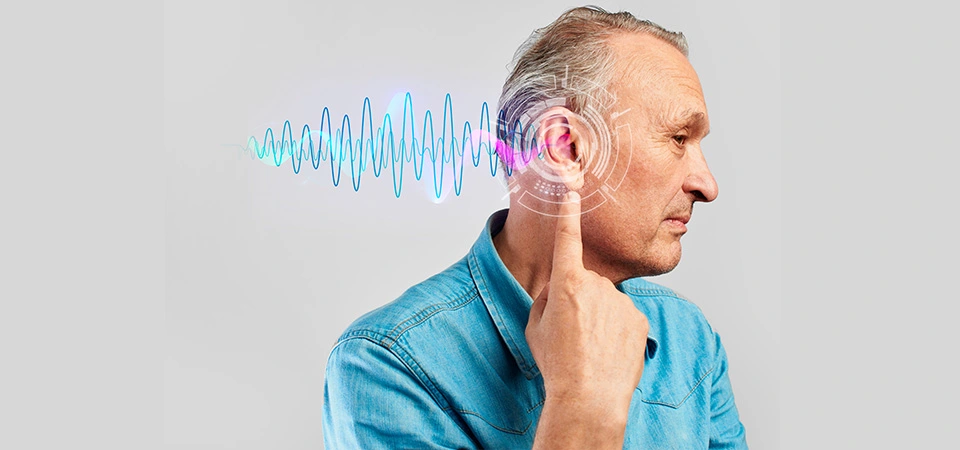
Tinnitus is a symptom characterized by sounds such as ringing, buzzing, or clicking perceived in the ear or head without an external sound source. Affecting approximately 15-20% of the population, this condition can range from a simple annoyance to a problem that seriously affects quality of life. Since tinnitus can have many causes, a multidisciplinary and holistic approach is necessary for treatment. In particular, neural therapy, regulation medicine, and manual medicine offer effective methods for treating this complex symptom.
This article addresses the causes of tinnitus, its relationship with the temporomandibular joint (TMJ), and holistic treatment approaches.
Causes of Tinnitus
Causes Originating in the Auditory System
- Inner Ear Damage: One of the most common causes of tinnitus is damage to the hair cells in the cochlea. This damage generally develops due to exposure to loud noise or aging.
- Middle Ear Problems: Fluid accumulation, infection, or hardening of the bone structures (otosclerosis) in the middle ear can cause tinnitus.
Neural and Neurological Causes
- Central Sensitization: Excessive stimulation of the auditory cortex in the brain can sustain the persistence of tinnitus.
- Autonomic Nervous System Dysfunction: Excessive activity of the sympathetic nervous system can heighten the perception of tinnitus.
Causes Originating in the Temporomandibular Joint (TMJ) and Muscles
- Tinnitus is frequently associated with temporomandibular joint dysfunction (TMD). TMJ problems, particularly tension in the jaw muscles and poor posture, can cause pressure on the nerves connected to the auditory system.
- Tension in the Masseter and Temporal Muscles: Excessive tension in these muscles can increase the perception of tinnitus.
Circulatory and Fascial System Problems
- Blood Flow Problems: Disrupted blood flow in the brain or inner ear (e.g., vertebrobasilar insufficiency) can lead to tinnitus.
- Fascial Connections: Fascial chains can contribute to the formation of tinnitus by affecting circulation and nerve conduction in the TMJ, neck, and base of the skull.
Psychological and Stress-Related Causes
- Stress can heighten the perception of tinnitus by activating the autonomic nervous system. Depression and anxiety are important factors that affect the severity of tinnitus and the individual's perception of it.
The Relationship Between the Temporomandibular Joint (TMJ) and Tinnitus
The relationship between the TMJ and tinnitus can be explained through the neural and fascial connections between the auditory system and the jaw and facial region:
- Neural Connections: The trigeminal nerve (cranial nerve V) and the auditory nerve (cranial nerve VIII) are in close relationship at the brainstem. TMJ dysfunctions can affect this connection via the trigeminal nerve.
- Muscle and Fascial Tension: Tension in the muscles and fascial chains around the TMJ has an indirect effect on the auditory system.
- Autonomic Nervous System Dysfunction: TMJ dysfunction can intensify the perception of tinnitus by increasing sympathetic activity.
Nazlikul's Holistic Approach to Tinnitus Treatment
Regulation Through Neural Therapy
Neural therapy aims to regulate the nervous system using local anesthetics.
- Identifying Interference Fields: The TMJ, dental foci, old trauma, or scars can play a role in sustaining tinnitus. Identifying and treating these foci helps alleviate symptoms.
- Stellate Ganglion Applications: This is an effective method for regulating the sympathetic nervous system. This technique can reduce the severity of tinnitus by achieving autonomic balance.
Manual Medicine Approach
- Manual medicine plays an important role, particularly in resolving TMJ dysfunctions:
- TMJ Mobilization: Reduces pain and tension by restoring joint movements.
- Fascial Manipulation: Releases tension in the fascial chains and supports circulation.
- Neck and Spine Regulation: Correcting thoracic and cervical spine dysfunctions can alleviate TMJ and tinnitus symptoms.
Circulatory and Nervous System Management Through Regulation Medicine
- Regulating Lymphatic and Venous Circulation: Increasing circulation in the fascial and cervical region enables the clearance of toxins and reduces inflammation.
- Respiratory and Diaphragm Regulation: Proper functioning of the diaphragm indirectly improves tinnitus by supporting circulation in the head and neck region.
Psychological and Cognitive Approaches
Tinnitus is greatly affected by psychological factors.
- Stress Management: Meditation, mindfulness, and cognitive behavioral therapy can reduce symptom perception.
- Sleep Support: Establishing a proper sleep pattern alleviates the severity of tinnitus.
Nutrition and Anti-Inflammatory Support
- Omega-3 Fatty Acids: Support the nervous system and reduce inflammation.
- Magnesium and Zinc: Regulate nerve conduction.
- Anti-Inflammatory Diet: Reduces inflammation by avoiding refined sugar and processed foods.
Clinical Application Recommendations
Patient Evaluation:
- Examination of TMJ function.
- Identification of interference fields (e.g., teeth, scars).
- Evaluation of autonomic nervous system balance and psychological state.
Treatment Plan:
- Neural Therapy: Treatment of interference fields and sympathetic regulation.
- Manual Medicine: Correction of TMJ dysfunctions with mobilization and manipulation techniques.
- Nutrition and Supplements: Anti-inflammatory support.
- Psychological Support: Cognitive behavioral therapy and stress management.
Conclusion
Tinnitus is a multifactorial problem that requires a holistic approach for effective treatment. Methods such as neural therapy, regulation medicine, and manual medicine offer effective tools for improving symptoms by targeting neural, circulatory, and fascial dysfunctions. The role of mechanical factors such as TMJ dysfunction among the causes of tinnitus should not be forgotten.
With an individualized treatment plan, it may be possible to both manage the symptoms and treat the underlying causes. With a holistic approach, the quality of life of tinnitus patients can be meaningfully improved.
Dr. Hüseyin Nazlikul, M.D., PhD.
President of IFMANT, BNR, MTAR
Specialist in General Medicine - Medical Biophysics
President of IFMANT (International Federation of Medical Associations of Neural Therapy)
President of the Turkish Neural Therapy Society
President of the Turkish Manual Medicine- Pain Regulation Association
Hakkı Yeten Cad. Vital Fulya Plaza No:23 Kat:3 Fulya 34394 Şişli – İstanbul
Tel: 0 (212) 219 19 12 or 219 09 00 Fax: 0 (212) 219 18 38