


The Underlying Cause of Modern-Age Diseases: Latent Acidosis A condition shaped by our lifestyle…


A condition that we actually know quite well but tend to overlook over time; that is present in nearly all chronic diseases; that is often responsible for resistance to treatment; that a person notices in themselves but cannot quite define; that can be present in anyone, young or old; that is shaped by our lifestyle and affects our quality of life: LATENT ACIDOSIS
WE CAN DIVIDE ACIDOSIS INTO 4 TYPES:
1- Acid-Base Balance Disorder
2- Acute Latent Acidosis
3- Chronic Latent Acidosis
4- Metabolic Acidosis
CAUSES OF LATENT ACIDOSIS
 • Uncontrolled medication use (NSAIDs, antibiotics, cortisone and hormone preparations…)
• Dysbiosis
• Chronic constipation
• Water consumption below what is needed
• Dietary errors
• Physical inactivity
• Poor oral flora
• Stress and chronic fatigue
• Chronic systemic diseases
ACUTE AND CHRONIC LATENT ACIDOSIS
Latent acidosis is the clinical picture that emerges when an acid-base balance disorder persists. Depending on its duration, latent acidosis, like all diseases, has two clinical stages of assessment: acute and chronic.
THE CLINICAL PICTURE IN LATENT ACIDOSIS
Chronic latent acidosis is involved in the etiopathogenesis of nearly all chronic systemic diseases in the body. At the root of latent acidosis lie, first and foremost, accumulated breakdown products—"toxins that have settled in the connective tissue and cannot be eliminated by the body." In regulation medicine, whatever the patient's condition may be, if you cannot clear these toxins from the body and cannot achieve the true regulation the body needs, functional disturbances will settle into the organs and tissues at the next stage, followed by chronic diseases and structural damage. Let us now examine the connection between this system and diseases with latent acidosis.
1- Acidosis and the Joints: Uric acid, which forms particularly in those who consume excessive amounts of animal protein, is converted into uric acid crystals and stored. The kidneys excrete a certain amount of uric acid through urine. If protein intake, particularly from animal foods, continues, the kidneys cannot excrete these crystals. These formations that cannot be eliminated from the body are converted into uric acid salts and stored. These crystals settle primarily in connective tissue and cartilage, giving rise to rheumatic pain in the joints and soft tissues. In the presence of latent acidosis, acidic metabolites accumulating in connective tissue thus pave the way for the development of many chronic joint and periarticular diseases;
2- Acidosis and Heart Tissue: The pH of the heart muscle should be 6.9, that is, very slightly acidic. If it drops below 6.5, disturbances in heart function can occur. The concentration of acid in the blood and between cells damages the heart muscle, causing heart attack, cerebral hemorrhage, various abnormalities in blood circulation, and non-healing wounds.
3- 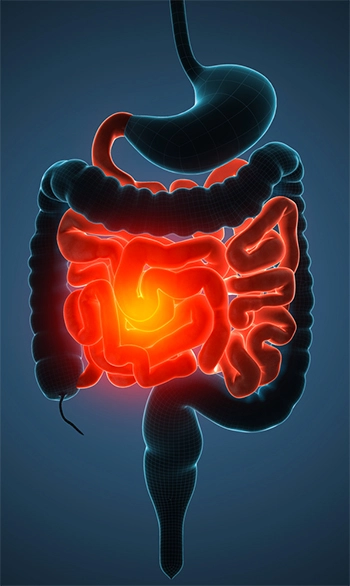 Latent Acidosis and the Stomach: Another factor causing the body to become acidic is stomach acid. The pancreas neutralizes stomach acid with the sodium bicarbonate it secretes. If there is pancreatic insufficiency, sufficient enzymes cannot be produced, and the acid-base balance in the blood can be disrupted.
4- Acidosis and the Intestines. The pH of the intestines should be 5-7, that is, the environment should be slightly acidic. This is because lactic acid bacteria, one of the most important and beneficial bacteria of the gut flora, can only survive in this environment. If, due to disruption and change in the gut flora, toxic gases in the intestines cannot be eliminated, this causes poisoning. This is where the real cause of toxin accumulation in the body lies. The acidosis created in the body by increased acids paves the way for the proliferation of fungi, particularly intestinal fungi.
5- Acidosis and the Lymphatic System: Connective tissue, peripheral blood circulation, and lymphatic circulation are the tissues most affected by acidosis. Varicose veins, cellulite, gelosis (muscle hardening), trigger points, skin rashes, acne, cyanotic appearance, plethoric appearance.
6- Acidosis and Dyspnea: With acidosis, the excess of waste products causes the blood to thicken, slowing blood flow, which in turn impairs oxygenation at the organ and cell level. Shortness of breath also occurs, because difficulties arise in the ability of red blood cells to carry oxygen and in the capillaries performing their function.
7- Acidosis and Keratin Tissue: Since the minerals expended to neutralize toxins are drawn from the hair, nails, and bones, bone density decreases, nails become brittle, and hair falls out.
8- Acidification and High Cholesterol: Toxins accumulating in the body are acidic in nature and bind calcium to themselves. If they cannot find sufficient calcium in the blood and connective tissue, they take calcium from the inner walls of blood vessels; if they cannot find it there either, they take calcium from the bones. Cholesterol takes the place of the calcium removed from the inner walls of the vessels. The vessels harden, and arteriosclerosis begins to develop. Rising blood pressure increases arteriosclerosis. The hardening of vessels due to fatty deposits means that organs such as the brain, heart, penis, and vagina cannot receive sufficient blood flow. This causes stroke, cerebral hemorrhage, high blood pressure, impotence in men, and loss of sexual desire in women.
9- Acidosis and Fatigue: Animal-based foods, such as cheese, meat, and meat products, cause a rise in H+ and C+ ions in our body. O2 ions are needed to neutralize this, and as a result, H2CO3 is formed. Excessive elevation of H2CO3 means the acidification of the blood. The resulting H2CO3 is eliminated as H2O, that is, through the urinary tract; CO2 is eliminated through the respiratory tract. Meat itself is not inherently very acidic, but the body processes it by acidifying it, and during this process acid begins to accumulate in our body. To stop this acidification, the brain instructs the lungs to slow the intake of oxygen. As oxygen intake slows, cells cannot be nourished properly, and the person tires quickly. This fatigue is not relieved by sleep.
TREATMENT OF LATENT ACIDOSIS
Our approach is aimed more at regulating the whole than at prioritizing the disease of a single organ. Treatments directed at organs and tissues that have become chronic and degenerative may reduce the patient's complaints, but they do not resolve the problem at its root. Underlying this lack of resolution is the toxic burden accumulated in connective tissue—in other words, latent acidosis. This is why the effectiveness of treatments can only be observed after long periods of follow-up. From this perspective, without properly regulating the neurovegetative nervous system and cleansing connective tissue, it is not really possible to restore people to health in chronic conditions. For this, you may also need to use research and different treatment methods (including, when necessary, conventional medical knowledge and procedures).
Just as no patient is the same as another, we know that even similar conditions can present differently. In our clinic, rather than dealing with a single symptom or disease, we take a holistic approach aimed at the individual's complete and lasting health. Following this brief assessment, I would like to share with you what we do in our clinic in cases of latent acidosis, and the reasoning behind it:
• Regulating nutrition
• Instilling the habit of drinking water
• Regulating gut flora
• Alkaline preparations
• Alkaline foods
• Procaine base infusion
• Holistic Approach
Sources I Benefited From:
• Nazlikul, H: Neural Therapy Textbook
• Nazlikul, H: Neural Therapy—Another Treatment Is Possible
• H. Barop's Neural Therapy Atlas (Translator H. Nazlikul)
• L. Fischer's Neural Therapy Book (Translators H. Nazlikul and Y. Tamam)
• James W. McNabb's Joint and Soft Tissue Injections (Translators H. Nazlikul and Y. Tamam)
• Weinschenk, S: Neuraltherapie
• Fischer, L et al: Lehrbuch Integrative Schmerztherapie