


Could Your Intestines Be Restless? A FUNCTIONAL digestive disorder affecting the large intestine…

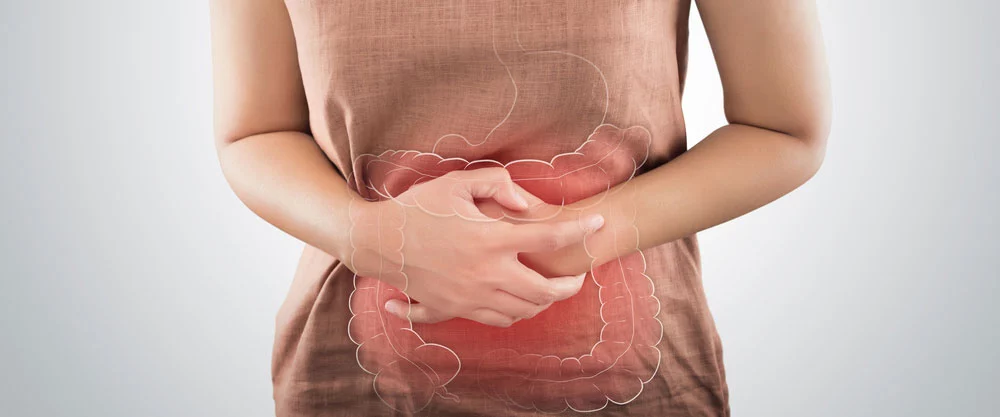
It's observed more frequently in women under 45. This syndrome can be seen worldwide. Although it's very common, the rate of seeking medical attention is low, since it's often considered normal by those affected. While it doesn't lead to serious conditions like cancer and inflammatory bowel diseases (Ulcerative Colitis, Crohn's Disease), it does seriously impair a person's quality of life.
- Abdominal cramps and pain; usually occurs after meals and is a dull pain
- Excessive gas and bloating; noisy sounds come from the intestines throughout the day, and a feeling of tightness is felt against clothing
- The frequency of bowel movements changes, with episodes of diarrhea and constipation; this is the most common symptom
- Frequent need to defecate and a feeling of incomplete emptying
- Mucous stool; stool that remains in the intestine for a long time causes excessive mucosal secretion
- A constantly bloated abdomen
- Symptoms worsening after eating or during stressful situations, and symptoms easing after a bowel movement
- Fatigue, weakness
- Frequent urination
Complaints generally appear following food intake. Studies have shown that this occurs because the chemical effects of additives in the food consumed increase intestinal permeability and cause gas formation within the intestine.
Affected individuals have difficulty maintaining their daily and social lives. They struggle to continue with work and school and to participate in social settings. The reason it's seen more often in developed countries is that as a person's education level rises, so does the rate of doctor visits.
What causes it?
- Good and bad bacteria exist in balance in our intestines, and when this bacterial balance changes, the flora is disrupted. This balance of microorganisms can be disrupted by gastroenteritis or a fungal infection caused by a bacterium or virus. While bacteria that aid digestion decrease, bacteria that cause gas formation increase.
- Increased intestinal permeability
- Intestinal motility disorder
- Excessive and unnecessary medication use
- Poor diet
- Intolerance and sensitivity to foods
- Hormonal disorders
- Genetic predisposition
- Seasonal changes
- Stress and psychosomatic disorders; this disrupts our autonomic nervous system, which in turn negatively affects our bowel movements. Most people experience abdominal pain before an exam or a job interview. In 85% of patients, psychological factors appear either before or simultaneously with the onset of gastrointestinal complaints. Psychosocial factors such as an unhappy marriage, divorce, child-related anxiety, the loss of a loved one, and worries stemming from ordinary daily stress are generally responsible. A strong relationship has been identified between irritable bowel syndrome and depression, anxiety and panic attacks.
How is it diagnosed?
Diagnosis is made after taking the patient's medical history, performing a physical examination and laboratory tests, and ruling out more serious organic diseases.

What precautions should we take?
Our goal in treating patients is to improve their quality of life and enable them to continue their daily lives.
- Reduce your stress: When a person is relaxed, their intestines are relaxed too. The most important trigger is STRESS... Take up hobbies, practice yoga and meditation, exercise regularly, get massages including your abdominal area, keep a pet, grow plants, and seek psychological support when needed.
- Regulate your diet and eat small meals. If necessary, try a one-day health fast.
- Stay away from very fatty, fried and smoked foods, foods that can increase histamine release (salami, sausage, sucuk, nuts, chocolate, canned foods, tomatoes and yeasted foods), and packaged foods and drinks containing additives.
- Regulate your meal times.
- Start your day by eating breakfast.
- Consume high-fiber foods (flaxseed, apple, fig, pear, lentils, chickpeas, cabbage, celery).
- Eat plenty of steamed vegetables.
- Stay away from gas-forming foods (legumes such as beans, peas and chickpeas), carbonated drinks, alcohol and caffeine.
- Chew every bite thoroughly for a long time.
- Give up bad habits (such as smoking and alcohol).
- Drink plenty of water; drink at least 40 ml of water per kilogram of body weight to replace fluid lost through constipation and diarrhea.
- Determine the foods you have sensitivity or intolerance to, which cause bloating and indigestion, either through testing or an elimination diet, and remove these foods from your life (such as gluten, sugar, fruit, milk, eggs, citrus fruits, shellfish, onion, and sweeteners containing sorbitol). Although this sensitivity varies by person, identify the foods that have been bothering you since the onset of your condition.
- Take vitamin D supplements when necessary.
- Exercise; walking, light jogging, swimming, pilates... Exercise has also been proven to reduce stress.
- Consume homemade yogurt.
- Apply warm, moist upper abdominal compresses when you have pain.
- Give yourself an abdominal massage; a gentle abdominal massage with circular clockwise movements around the navel has a beneficial effect on the intestines.
- Take advantage of herbal supports; tablets or capsules containing herbs such as chamomile flower, mint leaf, turmeric, St. John's wort, and celandine can be taken.
- Consult your doctor for support with probiotics, prebiotics and laxatives suitable for you.
- Neural therapy, a regulation method, helps regulate the function of the enteric system, and the orthomolecular medicine approach replaces missing minerals, enzymes and trace elements. These treatment methods can also be beneficial.