


Neural Therapy and Complementary Medicine Applications in Endometriosis - The cause of…

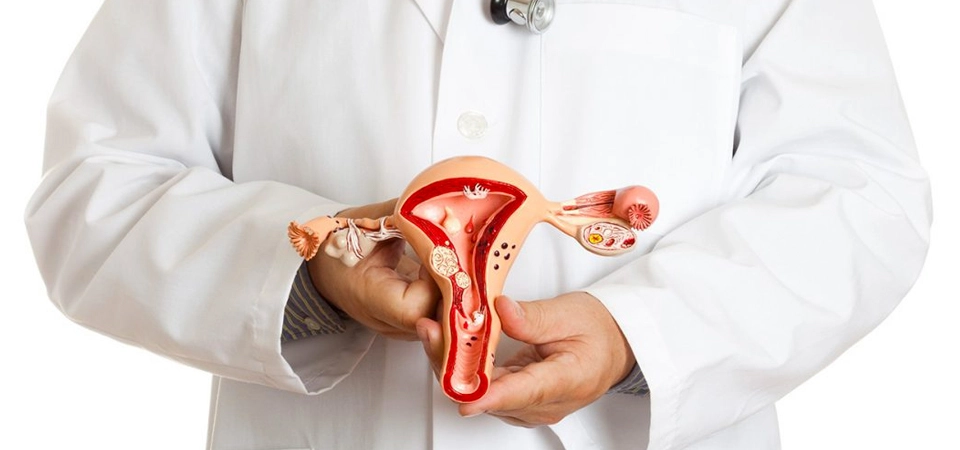
CONVENTIONAL MEDICAL TREATMENT OPTIONS
The cause of endometriosis is still not fully known. For this reason, the modern medicine approach is often symptom-focused.
There are two possibilities. Either the cycle is stopped for several years with the help of hormone preparations (artificial menopause), or the mucosal membrane tissue is surgically removed.
Hormone therapy brings with it a series of side effects (such as weight gain, fatigue, insomnia, mood swings, sweating, and headache). In addition, a relatively high recurrence rate is expected after stopping the medication.
Hormone therapy is usually followed by an operation that carries certain side effects. In addition, in some patients, the ovaries are also removed during surgery, which leads to early onset of menopause.
Neither of these two options brings the person a complete solution. This causes the person to seek additional supportive treatments.
ENDOMETRIOSIS
Endometriosis is defined by the presence of endometrium outside the uterine cavity. It is seen in most patients in the lesser pelvis. Ectopic endometrial islands are dependent on the hormonal changes of the menstrual cycle and typically cause lower abdominal pain related to the cycle.
The most common symptoms of endometriosis are lower abdominal pain, which is initially periodic but later becomes persistent, and pain during intercourse. This pain can be moderate or severe. Women often think for years that this pain they experience is normal menstrual pain.
Periods are painful (dysmenorrhea) and bleeding is heavy. Women often have difficulty conceiving. If endometriosis has affected a person's intestines, painful defecation and constipation occur. If it affects the bladder, burning during urination and blood in the urine are seen.
For diagnosis, a good patient history needs to be taken. This is followed by a physical examination performed by a gynecologist, along with ultrasound, MRI, and laparoscopy used for diagnostic purposes.

ENDOMETRIOSIS AFFECTS 10-15% OF ALL WOMEN
Endometriosis is a chronic, recurring illness and requires follow-up by a specialist doctor as well as patience on the part of the patient. The primary treatment for endometriosis is laparoscopic repair, which should be performed by an experienced surgical team.
In recent years, endometriosis centers have begun to be established, bringing together all treatments — such as surgical treatment, medication, rehabilitation, and psychological care — under one roof. These centers address the complex and chronic nature of the illness, thereby enabling patients suffering from long-term, restrictive pain symptoms to return to a normal life.
REGULATION MEDICINE NEURAL THERAPY AND COMPLEMENTARY TREATMENT OPTIONS
Endometriosis is a chronic inflammatory disease. Inflammation is one of the oldest medical conditions described in history.
Chronic inflammation occurs in situations where the infection cannot be completely eliminated or tissue damage is prolonged. Chronic inflammation is the persistence of acute inflammation due to mismanagement of the controlled resolution phase of inflammation.
According to current research findings, endometriosis is regarded in regulation and complementary medicine as an inflammatory proliferative disease. This requires certain fundamental treatment strategies.
- Giving up nicotine, alcohol, and sugar, which increase inflammation, is recommended.
- The aim is saturation with anti-inflammatory agents through the intake of lignans, which are increased in fresh leaves (flaxseed oil), and active polyphenols (fruits and vegetables, olive oil).
- Reintegration of the painful body region, the "pelvis," can be achieved through neural therapy, acupuncture, manual techniques, dance, yoga (Luna Yoga), and hypno-analgesia.
TREATMENT APPROACHES WITH COMPLEMENTARY REGULATION MEDICINE NEURAL THERAPY
In patients with chronic recurring endometriosis, regulation medicine and complementary treatments such as neural therapy, acupuncture and traditional Chinese medicine, homeopathy, homotoxicology, phytotherapy, and physiotherapy relieve symptoms and improve quality of life.
COMPLEMENTARY TREATMENT MODALITIES
In addition to surgical and hormonal treatments, complementary treatment approaches are increasingly being used for endometriosis treatment. In countries where regulation medicine, NEURAL THERAPY, and complementary medicine are widely used, particularly Germany, they have been incorporated into the treatment protocol.
The chronic, recurring nature of endometriosis, the fact that symptoms become more severe due to pain memory, and the increasing difficulty of treatment require a holistic treatment approach.
NEURAL THERAPY
Neural therapy is a regulation treatment that provides stimulation and regulation of the vegetative (autonomic) nervous system — a very extensive electrical network structure in our body — using low concentrations of local anesthetics (procaine/lidocaine).
Neural therapy both establishes diagnosis and applies treatment at the same time.
The sympathetic nervous system is active in regulating the immune system, in pain responses and the formation of neurogenic inflammation, and in pro- or anti-inflammatory responses. The inflammatory process and neurogenic responses involved in the development of pain can be regulated through the anti-inflammatory effects and effects on the sympathetic nervous system of the local anesthetics applied as a result of the Neural Therapy Segmental approach.
Neural therapy provides stimulation and regulation of the vegetative (autonomic) nervous system, which forms a very extensive electrical network structure in our body. In neural therapy, blood circulation, lymph circulation, and nerve conduction are regulated with local anesthetic injections applied to specific sites. When the blood circulation, that is, the perfusion, of a tissue increases, that tissue is nourished; when lymph circulation increases, the tissue is cleared, that is, cleansed, of metabolites; and a tissue with increased nerve conduction functions more properly.
Chronic inflammation affects the mechanism that keeps the entire organism in balance, causing multi-system diseases in which the function of many organ systems is impaired. Diabetes, endometriosis, rheumatic diseases, inflammatory bowel disease, cardiovascular disease, allergies, Parkinson's disease, and multiple sclerosis are among the diseases that develop against a background of chronic inflammation.
Pain is an unpleasant sensory experience associated with actual or potential tissue damage originating from any part of the body, and it is also connected to the person's past experiences.
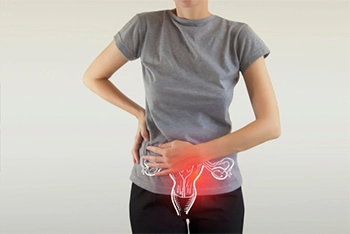 It is important to know that a patient presenting with pain in endometriosis can achieve a better response through systematically more effective interventions, as opposed to treatments focused only on local complaints.
With the neural therapy approach, the underlying pathophysiology of this is related to the nerve conduction of this region. The part of the nervous system that carries out functions related to the internal organs is called the vegetative or autonomic nervous system (ANS). Looking at the entire circulatory system, a healthy ANS is needed for the arterial, venous, and lymphatic systems to function properly; and a healthy ANS can be achieved through neural therapy. Neural therapy is a treatment method applied through the regulation of the organism, using local anesthetic substances to stimulate the ANS and restore disrupted body functions to normal. Neural therapy can deliver the effect of local anesthetics not only to locally painful areas, but also, by using the neurovegetative connections of the ANS, to distant areas that may be the source of the complaint.
Complementary treatments can be combined with conventional orthodox medicine in a holistic treatment sense.
The disease affects not just one organ, but the entire body. Along with neural therapy applications performed by injecting local anesthetic into the dysfunctional tissue, correct nutrition, phytotherapy, a homeopathic approach, and regular physical activity eliminate the dysregulation in the neurovegetative system and provide regulation of the body's regulatory mechanisms.
In this way, as a result of the regulation of electrical conduction in nerve tissues, disrupted body functions return to normal, making it possible for patients to regain their health.
The physician treating endometriosis needs to determine the indication for surgical and/or medication treatment, and must also continually reassess further procedures based on the response to treatment and the course of the disease.
Sources Used:
• Nazlikul, H: Neural Therapy Textbook
• Nazlikul, H: Neural Therapy - Another Treatment Is Possible
• H. Barop's (Translator H. Nazlikul) Atlas of Neural Therapy
• L. Fischer's (Translator H. Nazlikul and Y. Tamam) Neural Therapy Book
• James W. McNabb (Translator H. Nazlikul and Y. Tamam) Joint and Soft Tissue Injections
• Weinschenk, S: Neuraltherapie
• Fischer, L et al: Lehrbuch Integrative Schmerztherapie