


What is GMO? Everything natural is healthier. Yet today we live a refined existence.

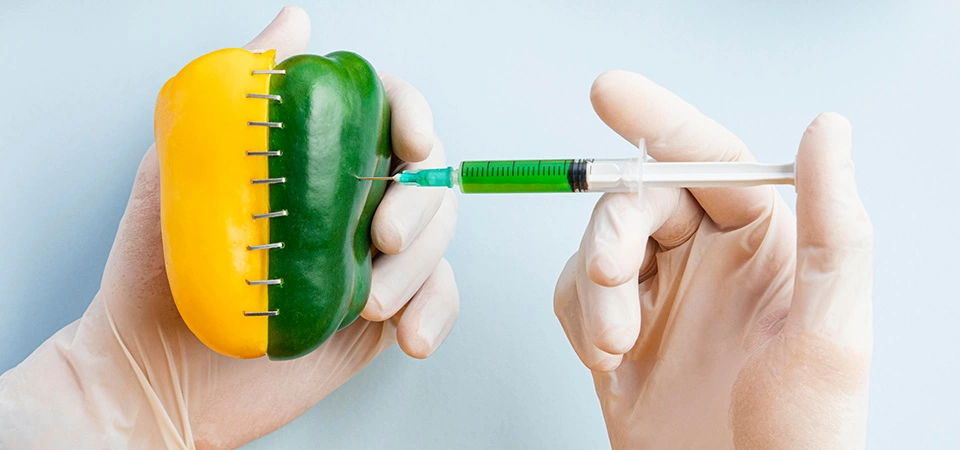
We frequently see news on television and social media about food genetics being tampered with.
There are GMO foods. What is a GMO? A new organism produced as a result of copying genetic traits from one living thing and transferring them into another living thing that does not carry these traits is called a "Genetically Modified Organism (GMO)."
These are procedures performed on the genes of vegetables, fruits, and plants for purposes such as extending shelf life, increasing production volume, changing flavor, delaying ripening, enhancing aroma, and making them resistant to harmful microorganisms. Debates continue regarding this genetic modification process, which is fundamentally driven by economic interests.
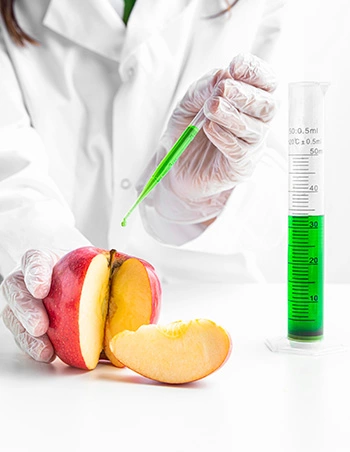 Genetically modified products are not new; insulin is obtained for diabetes patients by taking the insulin gene from pigs and transferring it into a bacterium; the substance called aspartame, used as an artificial sweetener, is produced from GMOs; many vaccines, most notably the hepatitis B vaccine, are also made using GMOs. However, these are gene interventions for medicinal and treatment purposes. One must consider how necessary the work being done on vegetables and fruits really is!
Although there is not enough research on this subject, scientists have no doubt that foods containing GMOs are harmful to human health. Since the gene is placed inside the plant, it is often stated in health-related criticism that those who consume these foods are also at risk. The universe is linked together in a chain, and a gene modification made to the organism at the very bottom of the chain indirectly affects all the levels above it.
Unfortunately, although GMO seeds are banned in Turkey, the importation of these products is not inspected. With seeds used in traditional agriculture, a new crop can be obtained the following year using the same seeds. In GMO agriculture, however, this is not possible; producers are forced to buy seeds from companies every year, and this is the economic dimension of the debate. The privatization of DNA — a material that belongs to all of humanity — is a source of concern and debate...
Tips for avoiding GMO products:
- Buy organic products
- Look for a "GMO-free" label
- Avoid risky ingredients (those containing corn, soy, canola, and cotton)
- Genetically modified fish, poultry, or farm animals are not yet on sale. But there are many non-organic products made from animals fed with GMO grain products. Prefer 100% grass-fed animals and wild-caught fish over farmed fish.
- Most sweeteners, and sugar and chocolate made with sweeteners, contain GMOs. Prefer GMO-free sweeteners, sugar, and chocolate made with 100% cane sugar and organic sugar.
- Watch out for soy lecithin in chocolate and corn syrup in sugar.
Dr. Hüseyin NAZLIKUL, M.D., PhD.
IFMANT = President of the International Federation of Neural Therapy
President of the Scientific Neural Therapy Regulation Association