


Eat Healthily and in a Balanced Way During the Winter Months! On winter days when the cold really…


In winter, the body and metabolism go into self-protection mode and begin working more slowly. The need to eat increases in winter, and people feel the need to eat foods higher in carbohydrates. Since sweating is also minimal, metabolic rate is at its lowest. For this reason, if care isn't taken during this period, weight gain becomes inevitable.
To protect itself from illnesses (such as flu, colds, and bronchitis) caused by cold weather, the immune system slows fat burning. In this case, to get through the winter season healthily, the immune system needs to be strengthened a bit more. Adequate and balanced nutrition is at the foundation of a strong defense mechanism.
A GOOD BREAKFAST IN THE MORNING IS IMPORTANT!
To protect against illness during the winter, it's necessary to start the day with a hearty breakfast. A solid breakfast also gets the metabolism working well.
Starting the day with a good breakfast will both preserve your resistance in cold weather, help you control your weight, and prevent your metabolic rate from slowing down.
STRENGTHEN YOUR IMMUNE SYSTEM
 To protect against winter illnesses and strengthen our defense mechanism, we need to eat enough vitamin A and C. Winter vegetables and fruit will provide us with adequate amounts of vitamins A and C. Citrus fruits (oranges, tangerines, grapefruit), carrots, kiwi, cruciferous vegetables (cauliflower, cabbage, broccoli, Brussels sprouts), and green leafy vegetables (parsley, watercress, spinach) are foods rich in vitamins A and C. Grapefruit, cabbage, and parsley protect you from winter illnesses.
Both because the days grow shorter and because the weather turns cold, physical activity decreases. As a result of reduced fiber consumption, constipation becomes a problem. For this reason, emphasis should be placed on consuming dried legumes, whole grains (whole wheat bread, bulgur, natural rice, natural noodles, whole wheat flour), and especially vitamin C-rich vegetables and fruit — all indispensable winter foods.
Another cause of constipation is not drinking enough water. Since sweating decreases in the winter months, thirst isn't felt as much. Yet 40 ml of water per kilogram of body weight must absolutely be consumed. It should also not be forgotten that the tea and coffee you drink do not substitute for water.
EAT IN A BALANCED, ROTATING WAY
What healthy eating means is consuming every necessary food group in rotation. In other words, staying away from a one-sided diet.
IF YOU DON'T LIKE IT, DON'T EAT IT
If you truly don't like a food, don't eat it, because if we know how to listen to our body, it actually knows what's beneficial and what's harmful for it.
STAY AWAY FROM REFINED FOODS
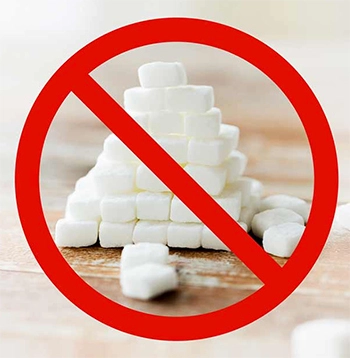 Our digestive system cannot easily digest refined foods. When we say refined food, we're talking about processed foods. In other words, we're talking about sugar beets processed into white powdered or cube sugar; wheat heads processed into snow-white flour; or alcohol and its derivatives, which are often overlooked.
Protein, vitamins, minerals, and fiber are found in the husk of grains. These substances are very important for healthy eating. The fiber in the husk of grain products traps the starch that converts into sugar inside, preventing blood sugar from rising quickly and, consequently, preventing excessive insulin secretion. In this way, the hunger pangs seen when consuming white flour products are eliminated.
AVOID SATURATED FATS AND CHOOSE THE RIGHT FATS
You should consume fat only in amounts you can digest. Unfortunately, many foods contain large amounts of saturated fat. Red meat in particular is rich in saturated fat, which is why we should reduce our consumption of it. We should also pay attention to dishes with high fat content. For example, one serving of french fries meets half our daily fat requirement.
GET TO KNOW HEALTHY FOODS
There are certain foods that must absolutely be included in a balanced, rotating eating plan. These include fresh vegetables and fruit, easily digestible fiber-rich foods, oatmeal, millet, buckwheat, whole grain bread, potatoes, eggs, fish, turkey, olive oil, coconut oil, and unroasted nuts...
USE FIBER-RICH FOODS WITH CONTROL...
Fiber-rich, high-fiber foods are nutrients that cannot be digested but are beneficial for health. However, they cannot be said to be beneficial for patients with digestive system conditions. Vegetables not particularly rich in fiber, such as cucumber, tomato, zucchini, eggplant, and radish, can be consumed in small amounts and without cooking. Fresh vegetables in particular do not cause discomfort.
CHOOSE LESS, BUT HIGHER-QUALITY, PROTEIN
Proteins are an important structural material for our cells. Without protein, our digestive system cannot function, because enzymes are made of protein. However, our bodies are already quite rich in protein. Many people consume twice as much protein as they need.
Foods with high protein value: eggs, yogurt, beef, fish…
DRINK FLUIDS
Our body loses 2-2.5 liters of fluid per day; this fluid loss must therefore be replenished. Insufficient fluid in our body shows itself through fatigue and lack of concentration. For this reason, adequate fluid should be consumed throughout the day, even before you feel thirsty. Feeling thirsty is a sign that your body already lacks fluid.
- Mineral water rich in calcium and iron
- Anise tea, chamomile tea, herbal teas
- A mixture of mineral water and fresh fruit juice (2/3 mineral water, 1/3 fruit juice)
- Vegetable juices (mixed with mineral water)
Since coffee and black tea are stimulants, they should be consumed in moderation. Alcohol consumption should be limited. Alcohol not only depletes fluid in the body but also damages the liver and pancreas.
BE CAREFUL WITH MILK AND DAIRY PRODUCTS
If you experience gas or diarrhea after consuming milk and dairy products, this means you have a sensitivity to milk sugar. You should create a separate eating plan for this. Special attention should be paid to substances related to sugar metabolism (sorbitol, mannitol, or xylitol).
HOW FOOD IS PREPARED MATTERS TOO
When cooking food, the goal should be that it's easily digestible and doesn't lose its nutritional value. Vitamins are often sensitive to light and heat. When food is boiled and washed, water-soluble vitamins, minerals, and trace elements are destroyed.
You can preserve these nutritional values by taking the following into consideration:
- Prepare meals shortly before eating time
- Wash food under running water
- Don't chop vegetables too finely
- Boil vegetables briefly in a covered pot with a small amount of water, without letting them lose their freshness
- After boiling vegetables (except spinach), make use of the cooking water
- Combine boiled vegetables with uncooked ones
- Cook potatoes with the skin on (boiled or baked)
- Cook meat or fish without added fat, don't fry
DO HEALTH CURES
Doing a fruit cure one day a week, or not eating anything from dinner one night until dinner the next day, is one of the secrets to staying young. We should rest our organs at least one day a week. But an important point is that — unfortunately, given how easily accessible information is these days, and I say unfortunately because the internet in particular has become an information dump — you shouldn't follow every detox program you read or hear about. The basic purpose of fasting in religions is, alongside disciplining the self, actually also to rest the organs.
BE CAREFUL WITH DIET PRODUCTS
Over the past 20 years in our country, the number of diet or "light," or diabetic, products has steadily increased on store shelves, and continues to do so. It's assumed that when something is called a "diet product," it has no calories, or a significantly reduced amount... But that's not the reality! Because in this category of food, only the fat, the sugar, or both have been reduced. Artificial sweeteners are used in these foods, particularly in the diabetic category. For this reason, don't assume that diet biscuits, diet chocolate, diet jam, diet cookies, diet baklava... and this long list of products won't cause you to gain weight.
TAKE CARE WITH YOUR EATING
 When I say take care with your eating, I don't just mean eating correctly, with variety and rotation. What I want to emphasize here is turning how many meals you eat per day into a ritual for yourself. Don't snack on the go! Meals eaten while standing or rushing nourish neither the body nor the spirit. While fighting against gravity, the digestive system runs into disruptions in performing its function. What should happen is that, whether alone, with your family, coworkers, or loved ones — whoever you're eating with — you show respect for this vital act. How lovely it still is that, in Anatolia and in other faith-based societies, when people sit down at the table, according to their beliefs, they thank the creator for what was given, offer a prayer of gratitude... Unfortunately, in our increasingly technological, fast-paced, and materialistic lives, we've drifted away from these beautiful and healthy customs.
Yet what we should be doing is nourishing ourselves, during the day, at a properly set table, sitting down, with meals that will benefit our eyes, our spirit, and our health. If your work schedule or lifestyle doesn't allow for this, then the priority problem you need to solve or reorganize isn't your diet — it's your working conditions...