


You Are What You Eat - Your mind and body take shape according to the food you eat. German…


Your mind and body take shape according to the food you eat.
German philosopher Ludwig Feuerbach said in 1850, "Man is what he eats."
Feuerbach's statement also corresponds to Hippocrates and the wisdom of Traditional Chinese and Ayurvedic Asian medicine. "Diet is the foundation of health."
"Tell me what you eat, and I will tell you who you are." As Jean Anthelme Brillat-Savarin said, what we eat shapes us.
You are what you eat. Does this sound familiar to you too?
You are what you eat; in fact, you are what you digest, or what you fail to digest.
- To be healthy:
- Chew your food.
- Take probiotic support.
- Consume the nutrients necessary for the immune system and a healthy gut.
- Include superfoods in your diet.
- Prevent emotional hunger.
How do you nourish the 100 trillion cells in your body? Do you nourish yourself with fresh food rich in vital substances — that is, fruit and vegetables — or with ready-made processed food?
You are what you eat. Did you know that your body is made up of the food you eat?
Carnivorous animals are not very docile. Herbivorous animals, on the other hand, are generally not aggressive. No living creature is healthy from eating sugar. The human body needs a regular, balanced diet and what we call vital food in order to function healthily.
Ideally, three to five servings of fresh fruit and vegetables should be consumed daily to provide the body with all necessary vital substances such as vitamins, minerals, enzymes, amino acids, and fatty acids.
 These vital foods are needed for the body to function without problems and to stay in shape and healthy. If you cannot consume fruit and vegetables, you can meet this need with freshly squeezed vegetable and fruit juices (as long as you don't overdo it), soups, and salads. For example, two glasses of freshly squeezed fruit and vegetable juice contain the desired amount.
If you want to stay vigorous, lively, beautiful, calm, and healthy, you should pay attention to the vital foods you take in daily, rather than to calories.
Bidding farewell to old habits, breaking thought patterns, and above all overcoming your weaker self may not be that easy. For this, you need to put in effort and make this style of eating a way of life.
Remember, we use the body's incredible abilities throughout the day. With our bodies we walk for miles, carry the heaviest loads, discover colorful scenery, listen to the most beautiful music, experience the greatest joys, smell the most beautiful scents, and think all day long.
What happens when you give your body the vital nutrients it needs for functional, healthy cells? Your hair becomes stronger and shinier, your skin looks brighter, more elastic, and fuller, your heart beats more calmly, your concentration increases, and you become more sensitive and calm. You will notice within a short time that you are healthier and more productive by consuming what we call vital foods.
But this change does not happen overnight. It requires patience and effort. You can learn every day, in a simple way, how to consume foods rich in vital nutrients, and thereby how to eat properly.
Superfoods
Superfoods are foods that should be consumed as naturally as possible and that contain certain vital substances in particularly high concentrations. Vital foods eliminate your mineral and vitamin deficiencies. Superfoods do not have to taste good — they can also be bitter.
Let's get to know superfoods more closely now:
- Berries: Fruits such as raspberries, blueberries, strawberries, blackberries, aronia, acai, goji, and cranberries are abundant in substances such as vitamins and antioxidants.
- All green leafy vegetables (spinach, celery leaves, etc.): Green leafy vegetables provide protein, vitamins, minerals, and plenty of chlorophyll.
- All edible wild herbs - wild plants
- Algae such as chlorella, spirulina, and seaweed
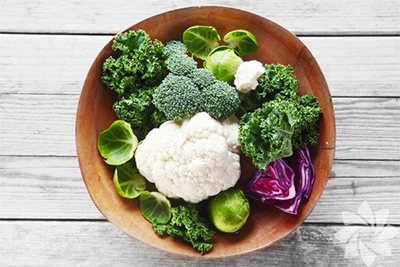 Cruciferous vegetables: Anti-inflammatory compounds such as glucosinolates and sulforaphane, found in vegetables such as broccoli, cauliflower, white cabbage, red cabbage, Brussels sprouts, kale, arugula, mustard greens, radish, and horseradish, are converted in the body into cancer-resistant substances.
- Nuts, kernels, and seeds: Almonds, walnuts, hemp seed, flaxseed, chia seed, grape seed, or pumpkin seed contain healthy fatty acids, valuable fiber, vitamins, and minerals. A handful a day is recommended.
- Sprouts: Sprouts contain far more vital substances than fully grown plants.
- Pomegranate: Pomegranate has many benefits. It can be used to reduce menopausal symptoms, lower cholesterol levels, strengthen the heart, and prevent cancer.
- Avocado: Contains valuable fats, protein, and high fiber. Reduces appetite.
- Coconut
- Mushrooms
- Raw cacao or chocolate: Delicious foods that are also healthy can be made from raw cacao, carob powder, coconut oil, and nuts.
- Aloe Vera
- Spices: Ginger, turmeric, red pepper, cinnamon, and pepper are used in many countries not only as spices but also as medicine.
Probiotics - Microbiome
Probiotics and the microbiome consist of the large colony of microorganisms living in our body. Most are found in the intestines, but also on our skin, in our mouth, and in other areas of our body. These microorganisms far outnumber all of our own cells. We live a shared life with these microorganisms and benefit from them significantly.
How can we strengthen the microbiome in our gut and on our skin?
- Use disinfectants and cleaning products more consciously.
- Eat healthily and avoid consuming too much sugar, fast food, fat, and salt.
- Eat fermented foods such as sauerkraut, kimchi, yogurt, kefir, and kombucha.
- Consume plenty of fruit, vegetables, and fiber.
- Eat as naturally as possible.
- Manage stress.
- Exercise regularly and adequately.
- Protect yourself against environmental pollution such as exhaust fumes and fine dust.
- Protect yourself from excessive sunlight.
These foods, which are beneficial for the intestines, should absolutely be consumed:
- Oily cold-water fish such as salmon, tuna, and herring
- Walnuts and almonds
- Seeds
- Fresh fruit
- Cruciferous vegetables (cabbage, broccoli, cauliflower)
- Dark leafy greens
- Whole grain foods
- Red pepper
- Mushrooms
- Beet root
- Ginger and turmeric
- Garlic
- Olives and olive oil
These probiotic products with live bacterial cultures should be consumed once a day:
- Natural homemade yogurt
- Kefir
- Mixed pickles
- Sauerkraut
You should also be sure to consume high-fiber prebiotic products such as whole grains, vegetables, fruits, and nuts.
Foods you should avoid for gut health:
- Red meat
 Saturated fats and trans fats
- White bread and other ready-made products containing white flour
- White rice
- Refined sugar
- Sugary drinks like lemonade
- Alcohol
- Ready-made products containing artificial flavor enhancers and sweeteners
- Foods containing antibiotics and hormones
Chew your bites properly and thoroughly
Most people chew only a few times and then swallow everything. Careful chewing combined with slow eating is an easy way to lose weight. Observe for yourself how often you chew each bite.
Intensive chewing is best practiced with harder foods such as bread or carrots. Try chewing each bite at least 20 times to start, and then increase this even further.
The Benefits of Proper Chewing
- Helps you lose weight: If you chew well, you automatically eat less. The body does not feel full until at least 15 minutes have passed.
- Supports digestion: Enzymes in saliva break food down piece by piece, making it easier for the body to absorb and digest. More chewing movements mechanically pre-grind the food.
Emotional hunger
Feelings of sadness, anger, loneliness, stress, or excitement are often tried to be relieved through eating.
We know that consuming certain foods makes us feel better and can reduce pain or a bad feeling, even if only briefly. However, we cannot completely rid ourselves of an emotional burden by eating.
The first step to correcting this situation is to notice when you are eating for emotional reasons. At that point, the person should ask themselves the reason for this situation. Every time you reach for a certain food, you should ask yourself: Am I really hungry, or am I eating for a completely different reason? If you are not hungry, finding the reason for the desire to eat may not always be easy.
Are you eating out of boredom, loneliness, or unhappiness? A record of your eating habits can help you more precisely determine your eating behavior and find the reasons behind it.
People who frequently experience emotional hunger soothe themselves with food to avoid and cope with uncomfortable emotions, but this reward is temporary. The emotions you want to avoid are still there. However, once you notice the emotional triggers of eating, you can also learn how to stop emotional eating by finding healthier ways and managing emotions correctly.
Let's talk here about some alternatives that will help manage the three most common emotions that cause overeating.
Stress and anger
Stress can cause the same responses as anger, such as an increased heart rate and blood pressure. If you are eating due to too much stress and/or anger, the following activities can calm you down and help you cope better with these emotions.
- Remove yourself from the stressful situation. For example, if you have argued with a friend or family member, take a break from that argument and think. Make a list of the things you want to say to people and talk again once both you and the other person are calm.
- Take a deep breath. Deep breathing lowers blood pressure and creates a feeling of calm. Practice these simple breathing techniques when you want to relieve stress.
- Exercise is a well-known stress reliever and can also be used to cope better with anger. Go for a brisk walk outside or lift some weights at the gym — these are all constructive ways of dealing with stress and anger.
- Listen to music. Everyone knows a calming song. If necessary, create a special CD or playlist to listen to.
Sadness and loneliness
These two emotions often appear together. Loneliness can result in sadness, and sad people often withdraw and become isolated. It is easy to comfort and calm yourself with food, particularly when grieving or spending a lot of time alone. For this reason, you should try to replace these uncomfortable emotions with positive actions. Learn to find alternative activities as a source of satisfaction.
Exercise improves mood, releases endorphins (feel-good hormones in the brain), and has been shown to be more addictive than drugs. Any type of exercise can be chosen. Cycling or walking makes it easier to resist tasty but unhealthy foods.
Keeping a pet also reduces your sadness. Animals give unconditional love. If you don't have a pet, you can visit your local animal shelter. This way, your feeling of loneliness will decrease.
Develop your social relationships. Reconnect with your friends and family members. Maintain this communication by visiting or calling rather than through social media.
Tips for preventing emotional hunger
-
Focus your attention solely on what you are eating. Make sure you are not doing anything else while eating.
-
Take up a new hobby. You don't need to spend a lot of money for this — you could, for example, start drawing, take up knitting, join a club, or take training for a sporting activity. Make a list of things you want to try, from cooking to learning a new language. Just get started.
-
 Start reading. If you're not reading enough these days, please don't complain about not having enough time during pandemic days — everyone has time. Always take your book or your favorite magazine with you and set aside time to read. Read at least 15 minutes every evening and increase the time.
 - If you're alone, solving a puzzle is also a good alternative.
- Meet up with your friends and loved ones, or call them. Some people say they feel very lonely in the digital age because they miss real interaction and friendships. But if you have time to write on Facebook or send a text message, why can't you make a call? Write letters, prepare personal emails, call, and meet with the important friends in your life.
- There are many ways to distance yourself from food with these tips, thereby breaking the vicious cycle of emotional eating. You may not always succeed this way, but if you notice your mistakes and try to correct them, and continue working on the problems by carefully writing down and tracking bad habits, you will be able to overcome the problem of emotional eating. When there are so many beautiful things around you, food will not be your focal point.
If you would like more information on this topic, you can benefit from my books "Beautiful, Happy, and Healthy - Discover Holistic Nutrition," "The Emotional Brain-Gut," and "Living to 100 Is Possible."