


The Importance of Probiotics for Human Health Humans coexist with beneficial gut microbes…

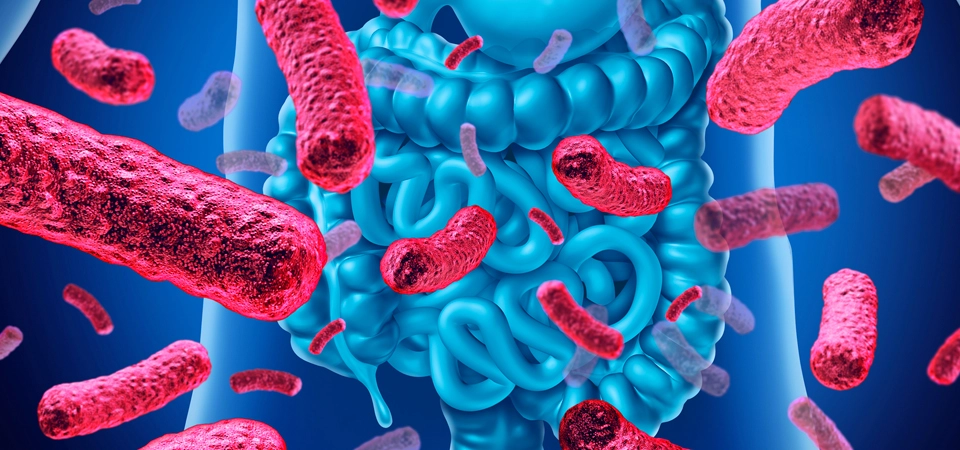
Probiotics = Beneficial gut microbes (bacteria and fungi)
Humans coexist with beneficial gut microbes (probiotics) that outnumber their own cells tenfold (100 trillion).
In addition to their various benefits, beneficial gut microbes form a protective layer that prevents toxic substances from the outside environment from passing into the blood. A shift in the balance of gut microbes in favor of harmful ones—that is, disruption of the perfect balance in the gut—leads to numerous serious and chronic diseases.
In recent years, in parallel with the increased consumption of refined foods, the reduced consumption of traditional fermented foods such as pickles, yogurt, and various brined foods, and the pasteurization of frequently consumed products like milk and yogurt to prevent souring or curdling, disrupts the body's perfect probiotic balance.
Probiotics – Prebiotics
Microorganisms that positively affect health when taken in sufficient amounts through food are called probiotics. Substances (such as dietary fiber) that increase the proliferation of certain gut microorganisms, stimulate their activity, and positively affect health are called prebiotics.
An adult human's gut contains about 100 trillion (700 g) beneficial bacteria and fungi. This figure is about 10 times the number of human cells. Numbering more than 500 species, these bacteria and fungi form the normal gut flora and coat the intestinal mucous membrane—which forms a surface of 400-500 m²—like a protective layer.
Functions of probiotics:
- Strengthening mucosal immunity
- Facilitating digestion of food
- Preventing food allergies and eczema
- Synthesizing vitamins (K, biotin, B12, niacin, etc.)
- Protecting the intestinal wall from harmful substances, reducing intestinal permeability
- Preventing harmful substances (toxins) from entering the bloodstream
- Preventing the development of chronic inflammatory diseases
- Preventing cancer
- Preventing the development of rheumatic conditions
- Slowing aging
- Relieving depression
- Alleviating symptoms of autism
- Preventing and treating diarrhea
- Preventing urinary tract infections
- Treating constipation
- Reducing the formation of kidney stones (oxalate)
Main causes of gut flora disruption
- Carbohydrate-rich foods
- Refined foods
- Various toxins
- Antibiotics
- Cesarean deliveries
Consequences of gut flora disruption
When the protective layer that probiotics form on the intestinal mucosa is lost, intestinal permeability increases. Inadequately digested food particles and unneutralized toxins pass into the bloodstream. As a result, the burden placed on the liver, kidneys, connective tissue, and lungs increases. Toxins that the liver cannot neutralize enter circulation.
The immune system becomes excessively stimulated against inadequately digested protein fragments. Some of these foreign protein fragments closely resemble the body's own proteins. When the immune system is overstimulated, it cannot distinguish self from foreign. While attacking the foreign substance, it also damages the body's own tissue. This mechanism is a leading cause of autoimmune diseases.
How to maintain healthy gut flora through diet?
A diet low in flour and sugar and rich in natural foods such as vegetables, fruit, meat, and eggs strengthens the protective function of gut flora. Fermented products (pickles, yogurt, cheese, vinegar, salted foods) increase the probiotics present in gut flora. The foods richest in probiotics are breast milk and yogurt.
Pasteurization largely destroys the probiotics in food!
Points to consider when consuming milk and yogurt: Whenever possible, fresh daily milk or clean raw dairy-farm milk should be consumed, as it is pasteurized at a lower temperature compared to long-life milk. Also, since the vitamin and calcium content of daily milk and dairy-farm milk is richer than long-life milk, avoid choosing long-life homogenized boxed milk. Only eat milk and yogurt that has soured and/or curdled naturally. If you can't find it, make it yourself; it's both cheaper and healthier.
Various diseases in which probiotics are used for treatment or prevention
Diarrhea: Numerous studies have shown that probiotic-containing foods are extremely successful in treating diarrhea.
In traditional folk medicine, giving yogurt to people with diarrhea is a common practice. Probiotics are more effective for viral diarrhea, but have less effect on dysentery-type diarrhea.
Antibiotic-associated diarrhea: Diarrhea develops in about 20% of people using oral antibiotics due to disruption of gut flora. Probiotics are quite successful in preventing and treating antibiotic-associated diarrhea.
Irritable bowel syndrome: Irritable bowel syndrome is a bowel motility disorder that can be seen in any age group and presents itself with mucous and watery diarrhea 4 to 10 times a day. Probiotics reduce diarrhea in irritable bowel syndrome.
Crohn's disease – ulcerative colitis: Crohn's disease and ulcerative colitis are thought to develop as a reaction resulting from a shift in the balance of gut microorganisms in favor of disease-causing microorganisms. By establishing a healthy microbial balance in the gut, probiotics can alleviate the symptoms of Crohn's disease and ulcerative colitis.
Fat and protein digestion: The probiotics in dairy products enable the digestion of proteins and fats present in the gut. In other words, they facilitate the digestion of food.
The breakdown of proteins into their smallest units (amino acids)—protein hydrolysis—can reduce the occurrence of allergic reactions.
Rheumatism: Toxins that have entered the circulation are acidic in nature. When these toxins come into contact with cartilage tissue, which is alkaline in nature, inflammation occurs in the joints. In rheumatic diseases, the immune system should be balanced rather than suppressed. This is where probiotics play an important role.
Cancer: It has been shown that yogurt, a widely used source of probiotics, may have anti-carcinogenic (cancer-preventing and treating) effects.
Breast cancer: Breast cancer is the most common type of cancer in women. Although the evidence is not very strong, various studies have shown that the use of fermented dairy products such as yogurt reduces breast cancer.
Colon cancer: Colon cancer is among the second or third most common tumors in developed countries. Many experimental and epidemiological studies show that probiotics play an important role in protecting against colon cancer.
 Urinary tract diseases and probiotics
Probiotics reduce genital infections and urinary tract infections. They achieve this by lowering vaginal pH and preventing disease-causing bacteria from adhering to the mucosa (competitive inhibition).
Allergic diseases and probiotics
Probiotics are successfully used in the prophylaxis (prevention) and treatment of cow's milk allergy, atopic eczema, and other allergic diseases.
Probiotics strengthen the protective mucosal barrier in the intestines; thereby reducing intestinal permeability and preventing allergenic substances from entering the blood. Milk proteins are broken down by probiotic enzymes instead of the enzymes trypsin and pepsin.
Rheumatoid arthritis and probiotics
It is thought that the increase in intestinal permeability resulting from disruption of the flora leads to inflammatory diseases not only in the gut but also in many organs outside the gut. It has been found that the gut flora of newly diagnosed rheumatoid arthritis patients is not normal.
It has been observed that a diet rich in probiotics reduces the need for antirheumatic medication and alleviates clinical findings.
Gut flora in autistic children
Gut flora is disrupted in most autistic children. In these children, pathogenic bacteria, fungi, and parasites proliferate excessively. These pathogenic microorganisms impair the digestion of food and lead to the formation of various toxins.
Cesarean birth and probiotics
During birth, the baby encounters probiotics (lactobacilli and bifidobacteria) coming from the vagina. As the baby is fed breast milk, normal flora develops. Since babies born by cesarean section directly encounter microbes present in the external environment, normal flora cannot form in these babies. The transition from the flora that colonizes first after birth to healthy flora is quite difficult, even when an appropriate feeding environment is provided. As a result, immune problems are more common in children born by cesarean section. Since a healthy oral and gut flora does not form, these individuals' immune systems are weaker, and a susceptibility to allergies is encountered more frequently.