


To Be Healthy, You Must Stay Away from Chronic Stress Stress has a direct negative effect on the…


The immune system functions better under the influence of the parasympathetic nervous system, which controls the body's functions during rest and sleep. Stress, however, stimulates the sympathetic nervous system, activating the general adaptation syndrome. Under stress, as the adrenal glands secrete increasing amounts of hormones, these chemical changes cause the thymus to shrink, inhibiting the production of white blood cells. This prevents the immune system from functioning properly, making the body more vulnerable to infections and illness. It also damages nerve cells, leading to depression, memory loss, decreased energy, sleep disturbances, and sexual problems.
Be Equipped Against Stress
To be healthy, one must lead a life free of chronic stress. However, it is when symptoms and complaints of illness appear that we realize health is the most valuable asset in life. As an Italian proverb says: "Health is like salt; it is only noticed when it's missing."
According to psychological research, healthy people are generally distinguished from unhealthy people by certain lifestyle standards and individual traits. People who know how to cope with stress are not easily shaken as they navigate their lives. Those who lack the ability to cope with stress pay the price with mental and physical ailments.
The environment also plays an important role in the formation of stress. However, in an appropriate setting, the threatening effects of stress can be avoided. The way to do this is to keep our physical and mental activities alive.
 Perception of stress situations
How stress makes a person ill depends on how the events and circumstances that create stress are perceived by the individual, and how the person tries to cope with these events and circumstances.
Some people perceive only small changes in the flow of daily life as stress, while others perceive accumulated heavy responsibilities as stress.
Everyone's tolerance for stress is different. Remember that when you exceed your personal stress threshold and remain in that state for a long time, more serious mental and physical illnesses can emerge. High blood pressure, digestive system disorders, headaches, insomnia, and exhaustion are the main problems caused by stress.
Symptoms of stress are dangerous to our mental and physical health. Nevertheless, a person needs at least a little stress. Experiencing a certain level of stress keeps us more alert in life. However, what matters is not experiencing stress to a degree that will harm our body and mind. For this reason, we should not let the stresses we are exposed to accumulate; we should engage in physical activities and calm our body and mind to keep stress under control.
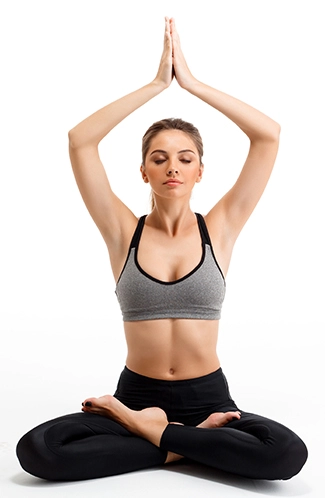 Relaxation exercises
Regular exercise is an essential complement to physical activity. To cope with stress, one needs physical exercise, yoga, meditation, and relaxation exercises.
Artists and people engaged in speed-demanding sports, despite being under high stress, do not experience concentration problems in their work and daily life thanks to regular relaxation exercises.
Listening to calm music in particular feels good when you are stressed. If music is listened to regularly with the eyes closed, the harmony of health can be strengthened.
Time must be set aside for hobbies
Racing against time triggers stress. Failure to complete certain tasks within the given time causes stress. Someone who plans their working style well can lead a life free of stress by setting aside time for hobbies and rest in daily life.
Nature's anti-stress program
Keeping individual stress under control is also possible through adequate intake of natural nutrients.
Plants and Nutrients |
Effect |
|
Ginseng, Chamomile |
Anti-stress plants |
|
St. John's Wort, Kava Kava |
Mood-boosting plants |
|
Valerian, Lemon Balm, Hops, Lavender |
Relaxing plants |
|
Magnesium, Vitamin C, Vitamin E, Keratin, Selenium |
Nutrients against stress |
Ecological nutrition matters
Foods obtained through ecological farming and from animals raised in natural environments are more aromatic and flavorful, place fewer harmful substances on our body, and leave no chemical toxic residue in our body.
Unprocessed foods
The foundation of good nutrition lies in quality food products. Quality products are very important because they generally retain their natural state. Foods offered for sale after being subjected to excessive processing damage our health.
Preserving nutritional value
Very high-quality foods can lose their true nutritional value due to improper preparation methods before consumption. If boiling methods such as steaming and sautéing are done correctly, the food's true taste and vitamin content are preserved. Storing food, keeping it warm, and using too much water while boiling can reduce its nutritional value.
Brisk physical activity
As I always say, you don't need to be a marathon runner to exercise. Brisk sports such as jogging, walking, swimming, and cycling can provide the necessary physical activity. Plan 2-3 sessions per week, each at least half an hour. Choose whichever sport appeals to you most.
Certain nutrients and medicinal plants, when consumed in addition to sports activities, positively affect the health of the heart and blood cells.
People who engage in regular physical activity are more resilient to stress.
Strengthen your heart
The most important medicinal plant for the heart is hawthorn. This is because this plant regulates the heartbeat. It has no known side effects. Hawthorn creates a powerful effect when taken together with magnesium.
EFFECT |
NUTRIENTS |
|
Strengthening the heart |
Hawthorn, Magnesium, Vitamin E |
|
Increasing blood circulation |
Rosemary |
|
Vessel-protective and cholesterol-lowering |
Buckwheat herb, Garlic, Onion, Lecithin, Artichoke, Oat bran, Vitamin E, and high-grade unsalted fatty acid |
|
Vein strengthening |
Buckwheat herb, Horse chestnut seed |
|
Protection from vascular damage |
Vitamin C, Vitamin E, Keratin, Selenium, Folic acid, Vitamin B6, Vitamin B12 |
|
Herbal mood boosters |
St. John's wort, Kava kava |
|
Aid for quality sleep |
Valerian, Hops, Lavender |
|
Strengthening the nerves |
Lecithin, Glutamic Acid, B vitamins |
Recommendations for Reducing Stress
• Set limits on your workday and stick to them.
• Take breaks from your work throughout the day and, if possible, get some fresh air.
• Even a short walk calms your nerves.
 • Make exercise a routine.
• Be sure to engage in physical activity.
• Take the stairs instead of the elevator.
• Be flexible, and avoid tension and violence.
• Regular physical activity will help you both be productive in your work and cope with stress.
• Make eating natural foods a habit.
• Stay away from refined sugar and caffeinated beverages.
• The moment you feel tense, listen to music that brings you peace.
• Develop your sense of humor.
• Try to uncover the cause of your stress.
• Take advantage of the power of scent. Try to relax amid natural scents like apple and lemon that bring you peace.
• Try relaxation techniques and practice meditation.
• Try to identify the problem or problems causing your stress and work toward a solution.
• Put your sexual life in order.
• Don't forget to laugh.
• Talk things through with friends and loved ones.
• The moment you find it hard to cope with stress, consult a psychotherapist.
Dr. Hüseyin NAZLIKUL
IFMANT = President of the International Federation of Medical Associations for Neural Therapy
President of the Scientific Neural Therapy Regulation Association