


Vitamins Vitamins are divided into two groups: fat-soluble and water-soluble.

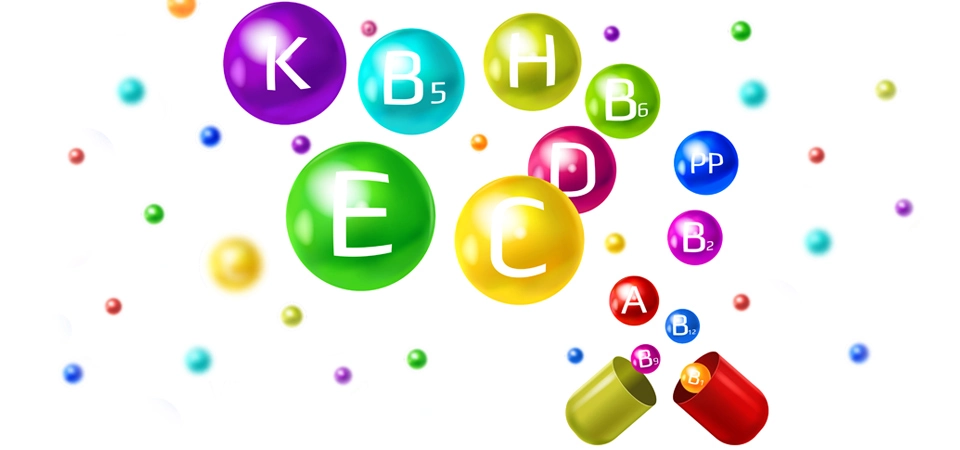
Vitamins A, D, E, and K are fat-soluble vitamins; their synthesis requires cholesterol, they can be stored in fat tissue, and are released when needed. Taking these vitamins after meals increases their absorption. Other, water-soluble vitamins, on the other hand, do not have storage properties.
Vitamin A
-
It is a fat-soluble vitamin.
-
It prevents excessive immune system activity and inflammation.
-
It is necessary for eye health.
-
It has antioxidant properties.
-
There are studies showing that beta-carotene slows the progression of diseases such as rheumatoid arthritis.
-
In addition, dietary vitamin A has also been shown to have a protective effect against heart disease.
-
Its best sources are: fish, liver, egg yolk, unrefined vegetable oil, sweet potato, and yellow and green leafy vegetables (such as carrots, apricots, oranges, melon, spinach, and parsley).
-
When foods that are sources of vitamin A are consumed together with fat, the bioavailability of vitamin A increases.
-
Its deficiency causes problems such as anemia, dry skin, and an increased risk of infection.
-
When taken in excess, bone abnormalities, skin thickening, temporary jaundice, high blood pressure, and growth retardation can be observed.
Vitamin D
-
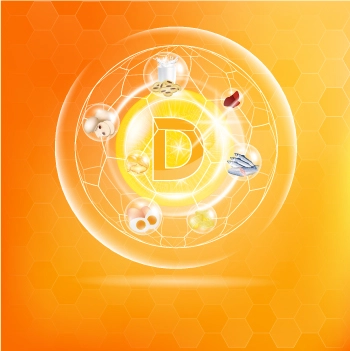 It is a fat-soluble vitamin.
 -
It plays a role in calcium entering the blood and being transported.
-
Vitamin D levels have been found to be associated with many inflammatory diseases (rheumatologic diseases, inflammatory bowel disease, multiple sclerosis).
-
It is important in preventing inflammation and significantly reduces pain related to inflammation
-
It reduces cancer risk.
-
It has a positive effect on the immune system.
-
Its best source is sunlight. Most of it is synthesized in the skin through sunlight.
-
Vitamin D is primarily found in: oily fish, butter, egg yolk, nettle, parsley, sweet potato, mushrooms, liver, and beef.
-
It enables the effective use of calcium and phosphorus, which are important for bone and dental health.
-
When taken together with vitamins A and C, it is effective against flu-like infections.
-
Its deficiency affects the skeletal and muscular systems. Diseases such as rickets, osteomalacia, and osteoporosis can occur.
-
Bone abnormalities can result from taking too much.
Vitamin E
-
It is a fat-soluble vitamin.
-
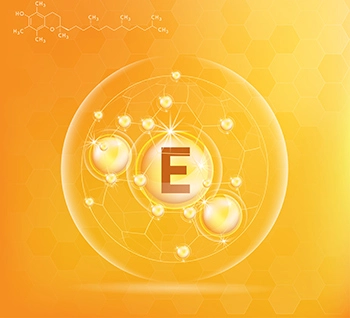 It has antioxidant properties.
 -
It is one of the essential nutrients necessary for mounting a strong immune response against cancer and infection.
-
Its protective effect increases when taken together with selenium.
-
Since it is obtained in sufficient amounts through natural foods, deficiency is not commonly seen. However, in cases of deficiency, the resilience of red blood cells decreases, and deficiencies are seen in the nervous and muscular systems.
-
Vitamin E reduces the risk of heart disease by preventing the oxidation of LDL cholesterol.
-
It increases the activation of vitamin A.
-
Vitamin E deficiency is seen in people who consume large amounts of alcohol, use birth control pills, or do not receive sufficient oxygen.
-
Its best sources are: green leafy vegetables, nuts (hazelnuts, walnuts) and the oils obtained from them, cereal grains, and dried legumes.
-
When taken in excess, it has a toxic effect. It disrupts the structure of certain hormones and can lead to bleeding.
Vitamin K
-
It is a fat-soluble vitamin.
-
It plays a role in blood clotting.
-
Its best sources are: dark green leafy vegetables such as spinach and leeks, dried legumes, meat, chicken, fish, and milk.
-
Dark green leafy vegetables are the best defense against vitamin K deficiency.
Vitamin B1 (Thiamine)
-
 It is a water-soluble vitamin. When in excess in the body, it is eliminated rather than stored.
 -
It is effective in energy metabolism and in converting carbohydrates into energy.
-
It has positive effects on the nervous system and mental activity.
-
Vitamin B is lost from foods during cooking.
-
Caffeine and alcohol consumption reduce the absorption of vitamin B.
-
Its deficiency produces symptoms such as loss of appetite, fatigue, nervous and digestive system disorders, edema, heart enlargement, and signs of heart failure.
-
Its best sources are: grains (such as wheat, rye, barley) and grain products, dried legumes, rice, nuts (walnuts, hazelnuts), fish, vegetables, and milk.
Vitamin B2 (Riboflavin)
-

 It is a water-soluble vitamin.
 -
It is resistant to heat, oxidation, and acid, but not resistant to light.
-
It serves as a helper enzyme in the body's protein, fat, and carbohydrate metabolism.
-
Riboflavin loss occurs when tarhana is dried in the sun, when milk is left in sunlight, when yogurt's liquid (whey) is poured off, and when green vegetables are boiled and strained.
-
Its best sources are: animal-based foods such as meat, milk, and eggs, green leafy vegetables, and dried legumes.
-
Its deficiency causes blood vessels to become prone to dilation. Burning in the eyes and vision disturbances, and sores at the corners of the mouth, occur. Nervous system disorders and anemia are also seen.
Vitamin B3 (Niacin)
-
It is a water-soluble vitamin.
-
 The body can produce the niacin it needs by using the amino acid tryptophan.
 -
It is effective in the synthesis of sex hormones.
-
It is necessary for healthy nerve and brain function.
-
It is used as an enzyme in protein, fat, carbohydrate, and alcohol metabolism.
-
It helps lower cholesterol and triglycerides.
-
Niacin is lost when the cooking water of foods is discarded.
-
Excessive niacin intake can disrupt uric acid balance and cause gout.
-
Its best sources are: fish, meat and meat products, eggs, dried legumes, walnuts, and fruits such as dates, figs, and dried plums.
-
Its deficiency causes nervous and digestive system disorders and symmetrical skin lesions (pellagra).
Vitamin C
-
It is among the water-soluble vitamins.
-
It is an antioxidant vitamin.
-
 It is the least stable of the vitamins, oxidizing quickly.
 -
It is necessary for healthy teeth, gums, and bones.
-
It helps the body absorb iron.
-
It strengthens the immune system and increases the body's resistance. It protects the body against infections and bacteria.
-
It reduces the risk of cancer, cataracts, and heart disease.
-
It plays a role in tissue repair and collagen formation, and is effective in wound healing.
-
It is effective in the body's use of amino acids, iron, calcium, and folic acid.
-
Vitamin C losses occur when the cooking water of foods is discarded, when vegetables are rubbed and squeezed with salt, and through cutting and peeling processes.
-
Its best sources are vegetables and fruits such as parsley, grape leaves, green pepper, cabbage, spinach, tomatoes, fresh beans, tangerines, oranges, grapefruit, peaches, and strawberries.
-
Its deficiency causes slowed growth, anemia, reduced resistance to infections, swollen and bleeding gums, tooth loss, fatigue, and loss of appetite.
Folic Acid
-
 It is a water-soluble vitamin. For this reason, losses occur if the water in which foods are boiled is discarded.
 -
It enables the conversion of amino acids, the building blocks of our body, into one another.
-
It is effective in the formation and multiplication of blood cells.
-
It is effective in the immune system.
-
Its best sources are: fish, eggs, green vegetables, tomatoes, green lentils, whole grain foods, walnut kernels, and oranges.
-
Its deficiency leads to the development of megaloblastic anemia.
For more information on this and similar topics, you can benefit from my book "Anti-Inflammatory Nutrition Guide."
You can find neural therapy and Hüseyin Nazlikul's other treatment methods here.
Dr. Hüseyin NAZLIKUL, M.D., PhD.
IFMANT = President of the International Federation of Medical Associations for Neural Therapy
President of the Scientific Neural Therapy Regulation Association