


The Effects of Chronic Pain on Body, Mind, and Soul - Treatment of the Effects of Chronic Pain with…

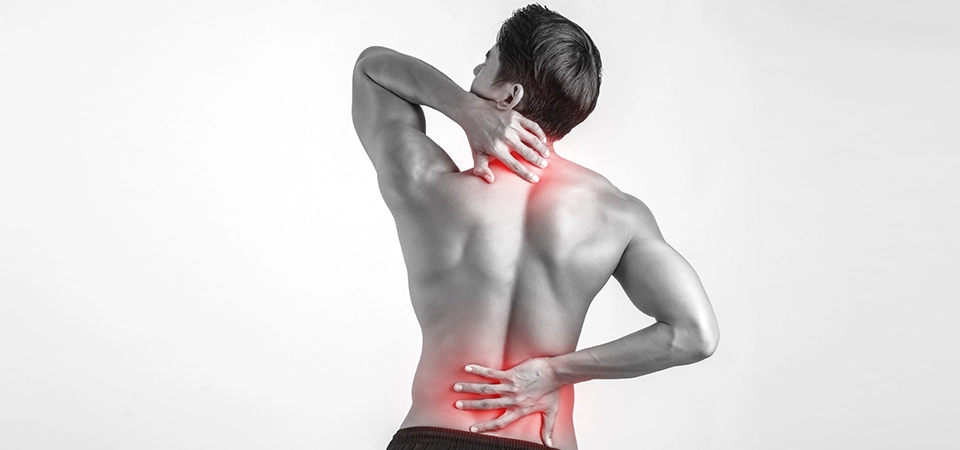
Pain is one of the most common reasons patients seek medical attention. We must constantly keep this fact in mind: pain treatment is not evaluated holistically in modern medicine. Whether chronic complaints and pain are present, and how severe they are, depends not only on metabolic status but also on the individual's mental state, general personality traits, and social environment.
At Naturel Sağlık, we have a holistic, multidisciplinary approach to pain treatment for patients. When conducting a holistic evaluation, we particularly address the bio-psychosocial pain model.
Body, mind, and soul are an inseparable whole!
For this reason, we evaluate individuals with a holistic approach. In addition to psychotherapeutic and conventional medical procedures, we also integrate many complementary medicine methods into our treatment plan, primarily regulation medicine neural therapy.
Body, mind, and soul affect one another. What causes pain, most of the time, is not only physical complaints but also emotional complaints.
How much the soul affects pain varies from patient to patient. Some people cannot cope with pain that has continued for a long time, and this situation manifests itself in the form of pain.
At the same time, in some individuals, the body can respond not only with pain but also with anxiety, depression, or sleep disorders. When these symptoms come together, the person becomes unable to function and it creates an additional burden. We can call all these symptoms "factors that trigger negative effects" — that is, factors that intensify pain. For this reason, our approach to treatment must be holistic.
 How is chronic pain defined, and how does it differ from acute pain?
Chronic pain usually begins as acute pain. This pain should be interpreted as an alarm signal and should tell you: "Take action against the pain now, otherwise there is a risk of permanent damage."
Acute pain does not necessarily mean there is damage in the body, but it warns of long-term damage. For example, when you first feel tension in your lower back, you should act directly. Just as we want to solve a problem immediately when a warning light comes on in a car, we should also take immediate action when the body gives us signals.
If you remain unresponsive to your pain, it will appear increasingly more often. The risk of your pain becoming chronic and staying with you for a lifetime gradually increases.
What happens in your body when you experience chronic pain?
With chronic pain, the brain's warning and guiding function is lost. For this reason, it has come to be seen as an independent clinical picture, regardless of cause and effect.
For example, if you injure your finger, numerous pain sensors are activated at that point. Pain, in the form of an electrical signal, is transmitted to your brain through the entire nervous system. This ultimately processes the pain signal and sends the "pain" message.
Once the cause of the pain is addressed and the wound has healed, the pain alarm usually disappears. However, in the case of chronic pain, pain transmission does not stop even long after your wound has healed.
The nervous system develops excessive sensitivity to pain and creates a pain memory. Afterward, chronic pain — particularly pain affecting the back — persists continuously.
10 IMPORTANT QUESTIONS FOR IDENTIFYING CHRONIC PAIN
1. What is chronic pain?
Long-lasting pain is called "chronic pain." The time limit is usually 2 to 6 months. Pain and suffering are influenced by physical, psychological, cognitive, and social factors. If pain lasts longer than 3 months, it is called chronic pain.
BUT REMEMBER: You do not have to suffer from chronic pain forever! This only means that the right form of therapy for you has not yet been found, or that you have not yet received adequate treatment. Chronic pain is entirely a matter of "diagnosis" — please always keep this in mind.
2. Where can chronic pain appear?
In the majority of patients who come to us for chronic pain, lower back pain is at the forefront. However, pain in the stomach, chest, head, or joints can also become chronic.
3. What are the causes of chronic pain?
There are many possibilities here. These can be chronic illnesses such as rheumatic diseases or diabetes. Other physical and psychological triggers for chronic pain are:
- Injured or inflamed nerve fibers
- Improper use of the locomotor muscles
- Tension
- Stress
- Social conflicts
4. What purpose does pain memory serve?
Pain memory is responsible for chronic pain. For example, if acute pain occurs after surgery, it is stored in pain memory. Even if the cause of the pain is eliminated, pain memory can recall and trigger the pain. This is where multimodal treatment comes in, to avoid further surgery.
5. How is chronic pain treated?
 Regulation medicine-neural therapy clinics that primarily offer treatment for chronic pain are based on the bio-psycho-social pain treatment concept. Holistic therapy includes the body, the soul, and the social environment. Multimodal therapeutic approaches are used depending on the cause of the pain. These include:
- Neural therapy
- Phytotherapy
- Vital nutrients and orthomolecular support
- Resolving dysbiosis
- Healthy and balanced nutrition
- Combating latent acidosis
- Medication treatment
- Relaxation therapy
- Keeping pain diaries
- Manual medicine, manual therapy, chiropractic, osteopathy
- Limbic system support and psychological care
6. How can chronic pain be prevented?
Pain can appear after injuries, surgeries, overloading of the musculoskeletal system, or as frequently experienced head-back pain. If acute pain is brought under control effectively and quickly, chronic pain can be prevented. This prevents the patient's nervous system from reacting and developing pain memory.
7. Which exercise methods are suitable for chronic pain?
Chronic pain appears in different areas of the body and is triggered by different causes. For this reason, certain movements are more suitable for certain conditions. For example, endurance sports can help with migraine and back pain. You don't necessarily need to go to a gym — simply climbing stairs every day is also a suitable exercise for chronic pain.
8. Who is most affected by chronic pain?
Women have a higher risk of chronic pain than men. This risk increases with age.
9. How is chronic pain related to the soul?
People who have had previous psychiatric illnesses or who have been exposed to work or family stress are more likely to suffer from chronic pain. The social environment is often unaware of the chronic pain being experienced. This makes it harder for the affected person to cope with the illness. For this reason, multidisciplinary care and treatment of patients becomes even more important.
10. Who should be consulted for chronic pain syndrome?
First of all, it is important that you respond to acute pain and consult your family doctor. This way, you can prevent the pain from becoming chronic. If you are already suffering from chronic pain, it would be more appropriate to consult a neural therapy specialist involved in regulation medicine and a physician practicing manual medicine, who will be helpful to you in terms of preventive medicine. The neural therapy specialist you consult will, if necessary, refer you to psychologists, physical therapy specialists, or other specialists.
Preventing Pain and Protecting Against Pain
A healthy person has no pain!
Everything that serves to protect health is therefore suitable for preventing pain. This includes a balanced diet, regular exercise, and a good work-life balance. Job satisfaction, a harmonious partnership, friends, and hobbies also contribute to this.
Causes That Increase Pain:
- Stress
- Anger
- Fear
- Depression
- Stress
- Loneliness
- Anxiety
The Regulation Medicine Approach to Chronic Pain
Our treatment is generally different from classic pain treatment. We treat patients with all kinds of chronic pain by applying neural therapy, manual medicine, acupuncture, phytotherapy, and limbic system regulation.
However, monomodal treatment approaches do not always bring the desired success. Neural therapy is quite successful for all types of pain, regardless of whether it is chronic headache, musculoskeletal, or nervous system pain. We also treat psycho-vegetative pain and cancer pain as part of multimodal pain management. But the most important thing is for the patient to have an idea of what they want to achieve with pain treatment support and what can realistically be achieved.
Set Realistic Goals!
To stay motivated while treating pain, you should set achievable goals for yourself. These goals:
- Reduce medication intake
- Gradually increase your activity each day compared to the previous day (exercise stages should be pain-free)
- Your goal four weeks after the first day of exercise should be 10,000 steps a day
 Identify risk factors and the causes of pain
- Return to social life
- Be agile
- Cope with pain constructively
- Have positive thoughts
A short list of positive habits that can help you be happier:
- Write down each day what you are grateful for and your own sense of personal achievement. It doesn't have to be big things! Even a smile is your own achievement
- Go outside for at least 30 minutes a day. If you walk every day, you release endorphins and serotonin. Your mood automatically improves and your self-healing power is activated
- Drink at least 2 liters of water a day
- Eat healthily
- Do something good every day
- Meditate every morning before starting the day
- Spend at least 20 minutes a day on your hobby
- Always keep learning something new
Dr. Hüseyin NAZLIKUL
IFMANT = President of the International Federation of Neural Therapy
President of the Scientific Neural Therapy Regulation Association
Sources Used:
• Nazlikul, H: Neural Therapy Textbook
• Nazlikul, H: Neural Therapy - Another Treatment Is Possible
• H. Barop's (Translator H. Nazlikul) Atlas of Neural Therapy
• L. Fischer's (Translator H. Nazlikul and Y. Tamam) Neural Therapy Book
• James W. McNabb (Translator H. Nazlikul and Y. Tamam) Joint and Soft Tissue Injections
• Weinschenk, S: Neuraltherapie
• Fischer, L et al: Lehrbuch Integrative Schmerztherapie