


Causes and Treatment of Dizziness Dizziness is a complex and distressing condition that arises from…

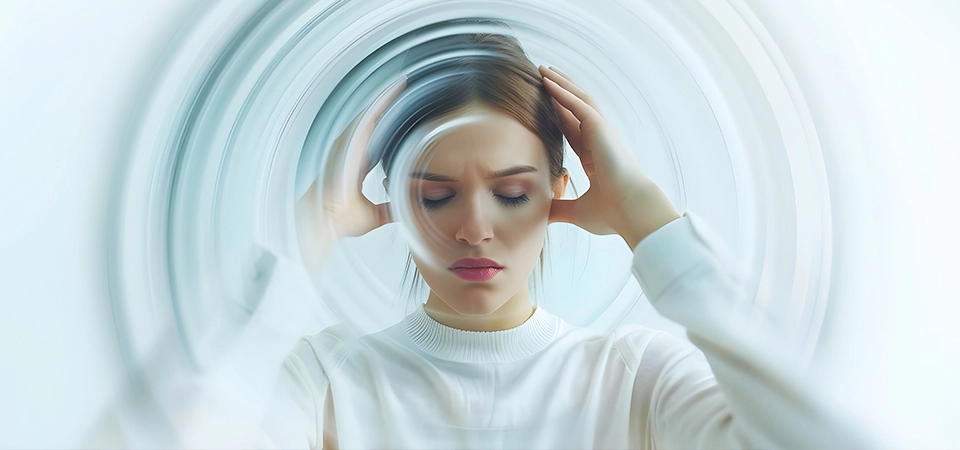
In this article, we will comprehensively examine the causes of dizziness, looking at both conventional and complementary treatment approaches from a holistic perspective. We will also detail treatment methods based on various scientific studies on the subject.
Causes of Dizziness
Dizziness generally arises from problems related to the inner ear, nervous system, circulatory system, and musculoskeletal system. It can stem from various causes such as vertigo, Ménière’s disease, problems in the cervical vertebrae, temporomandibular joint (TMJ) disorders, circulatory disturbances, and changes in blood pressure.
Vertigo and Ménière’s Disease
• Vertigo: Vertigo is a type of dizziness caused by a problem with the balance-related structures in the inner ear. It causes the person to feel as if their surroundings are spinning, and is typically triggered by holding the head in a certain position or by sudden movements.
• Ménière’s Disease: This disease results from fluid buildup in the inner ear and presents with symptoms such as vertigo, tinnitus, and hearing loss. Being a chronic condition, Ménière’s disease can lead to symptoms such as balance disorders and dizziness.
Cervical Flattening and Temporomandibular Joint Problems
Flattening of the cervical vertebrae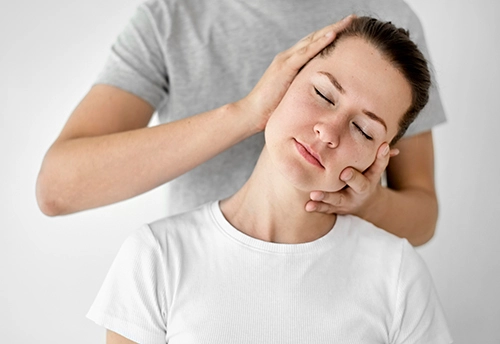 can trigger dizziness by causing restricted neck movement and muscle tension. This condition can lead to nerve compression and reduced blood flow. Similarly, temporomandibular joint (TMJ) problems can also cause dizziness. TMJ disorders create imbalances in the head and neck region, which can increase dizziness.
Circulatory Disorders and Changes in Blood Pressure
Disorders of the circulatory system can cause dizziness by preventing sufficient blood from reaching the brain. In particular, low blood pressure (hypotension) can cause dizziness by reducing the amount of blood reaching the brain. Additionally, heart rhythm disorders and vascular blockages can also contribute to this condition.
Holistic Treatment Approaches
In the treatment of dizziness, establishing an accurate diagnosis and forming a comprehensive treatment plan are essential. In this process, it is important to rule out neurological and inner ear diseases. Holistic approaches such as manual medicine, neural therapy, phytotherapy, acupuncture, microsystem acupuncture, and muscle chain regulation address the causes of dizziness and offer effective solutions.
Neural Therapy
Neural therapy is a treatment method that acts directly on the nervous system and activates the body’s own healing mechanisms. In the treatment of dizziness, it has effects such as regulating circulation through the nervous system, coping with stress, and maintaining hormonal balance.
• Effect on the Nervous System: Neural therapy helps the nerves regain their normal function by neutralizing disturbance fields (interference fields) on the nervous system. In this way, the neural imbalances that cause dizziness are corrected.
• Regulation of Circulation: Thanks to its regulatory effect on the nervous system, blood circulation also improves. This ensures sufficient blood flow to the brain and helps relieve the symptoms of dizziness.
• Regulation of Stress and Hormones: Neural therapy reduces overall stress on the body by regulating stress hormones. This is a particularly effective method for stress-induced dizziness.