


From Bogotá to Istanbul: An Invitation to the 5th World Neural Therapy Congress
Reflections following the IV International Congress of Neural Therapeutic Medicine
Bogotá – More Than a Congress
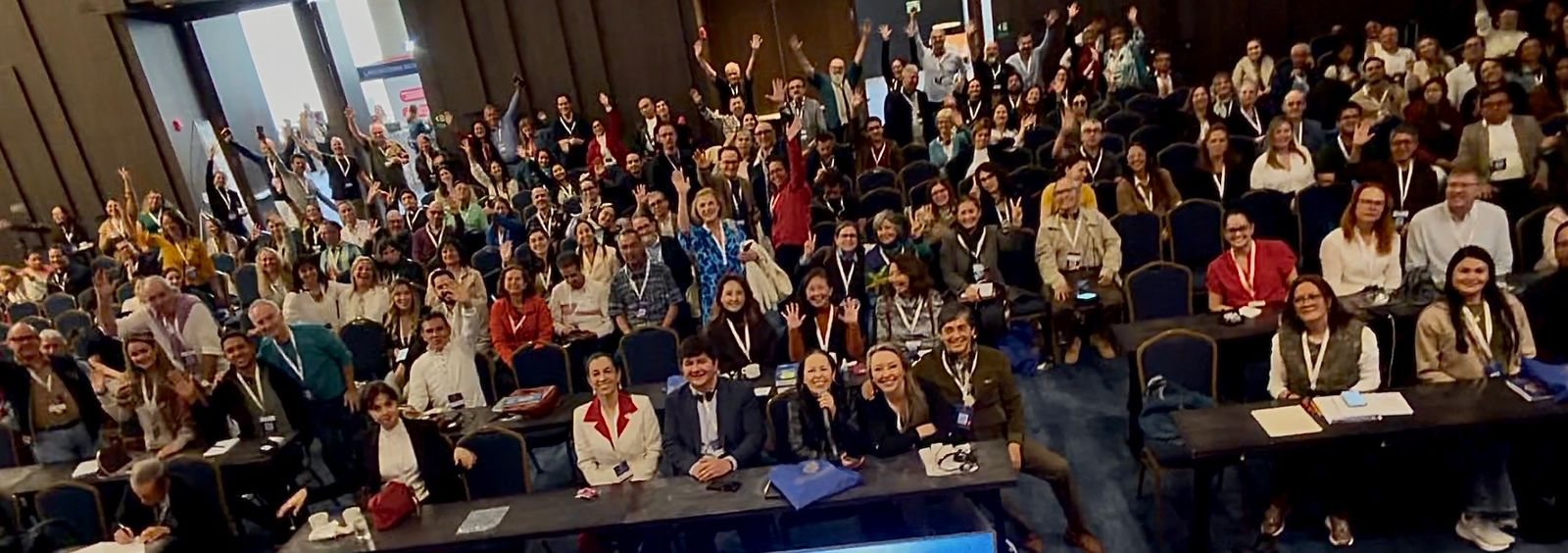
When I look back on these intense days in Bogotá, it is not the numbers, the lectures, or the individual items on the program that first come to mind. It is the people. The encounters. The conversations between colleagues who came from different countries and different medical traditions, yet very quickly found a common language.
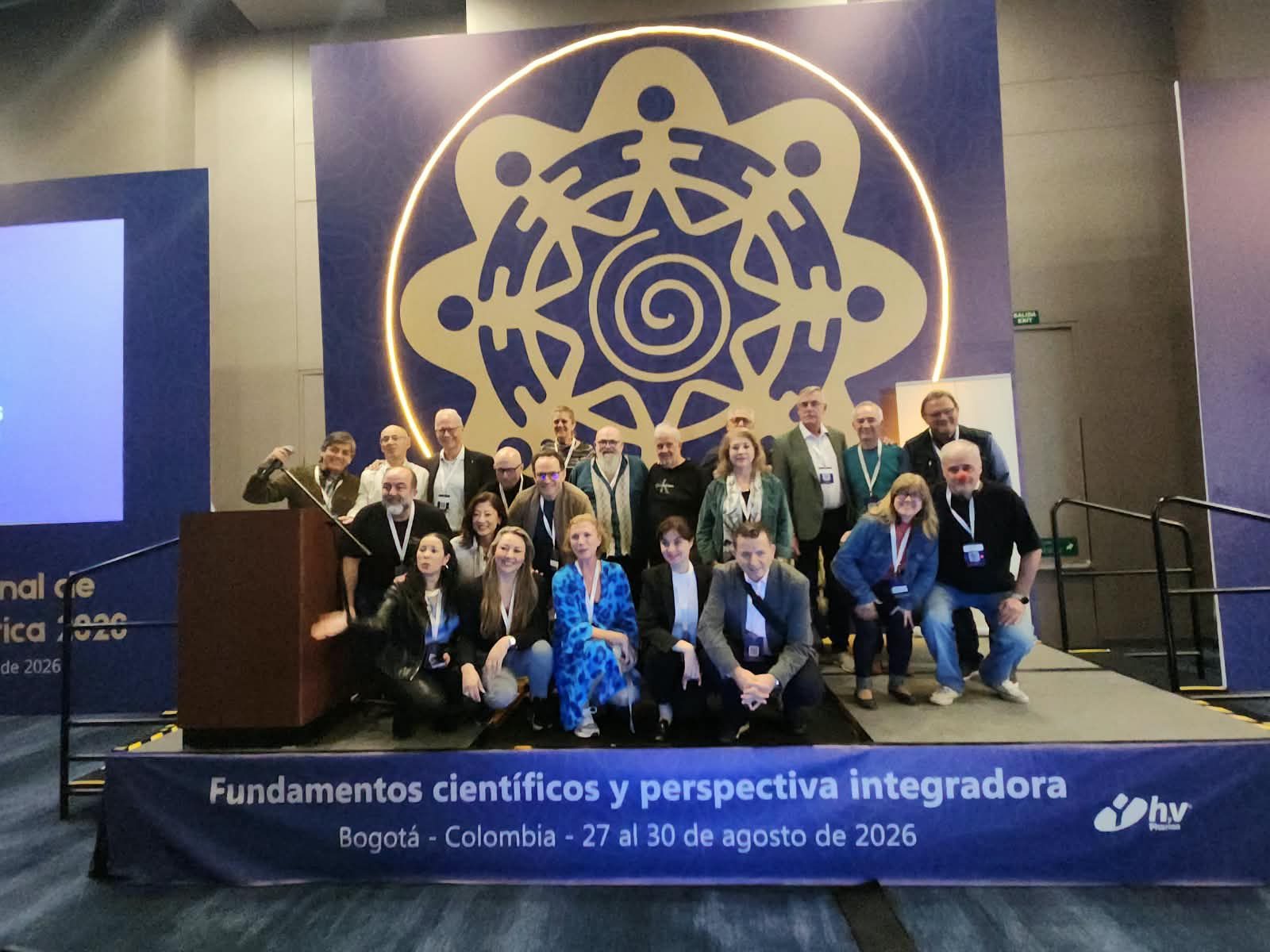
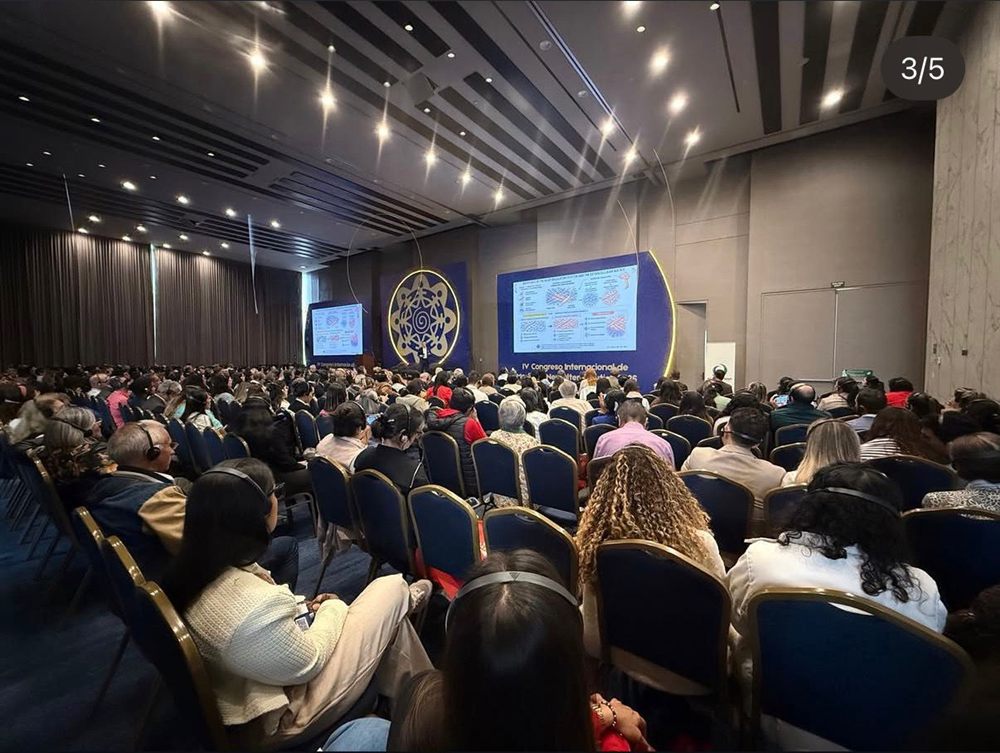
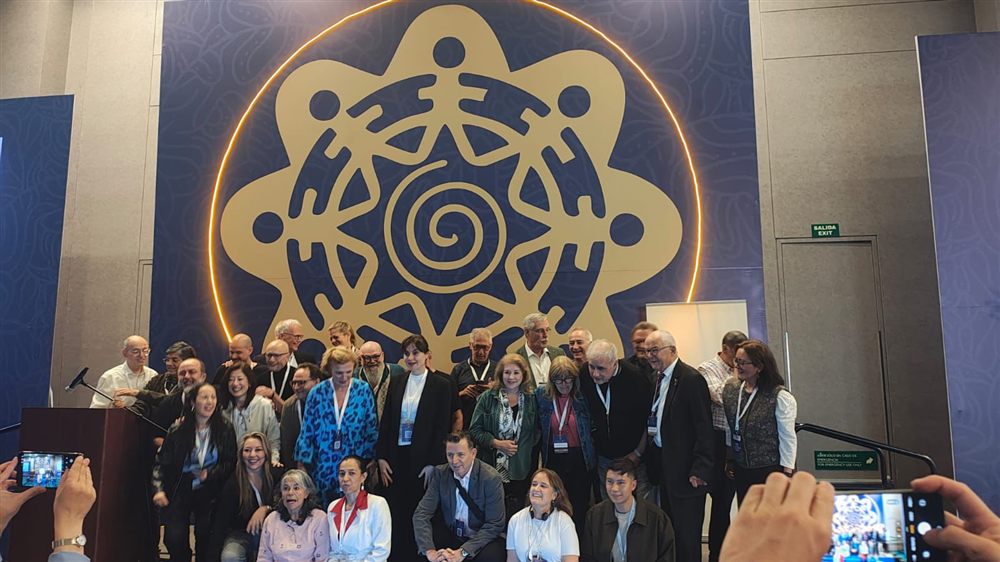
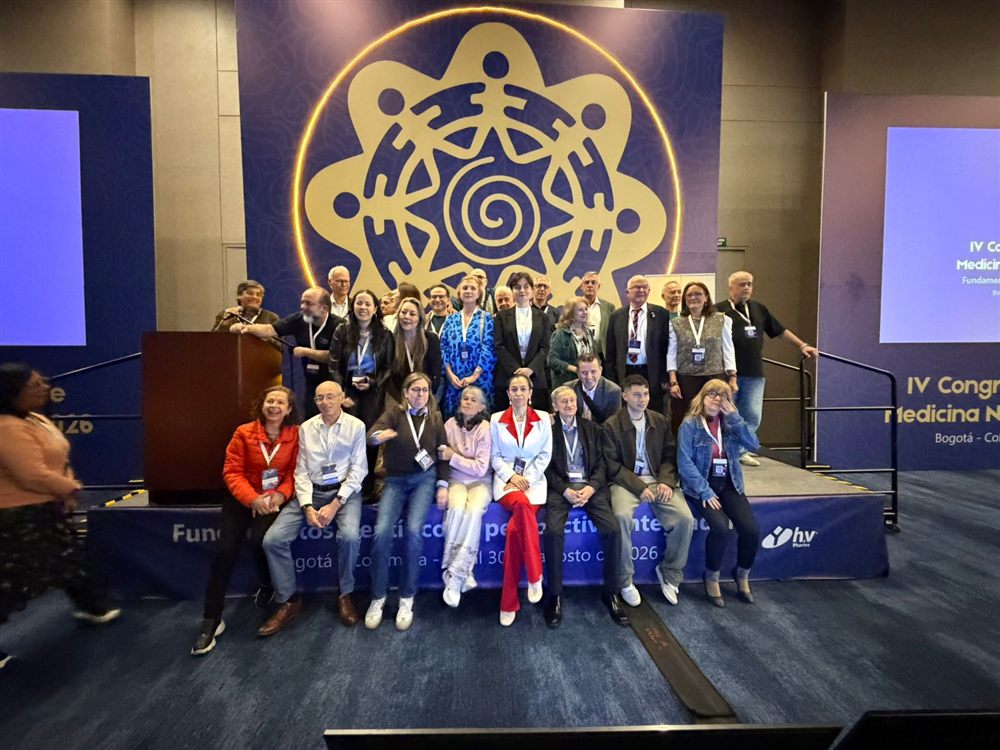
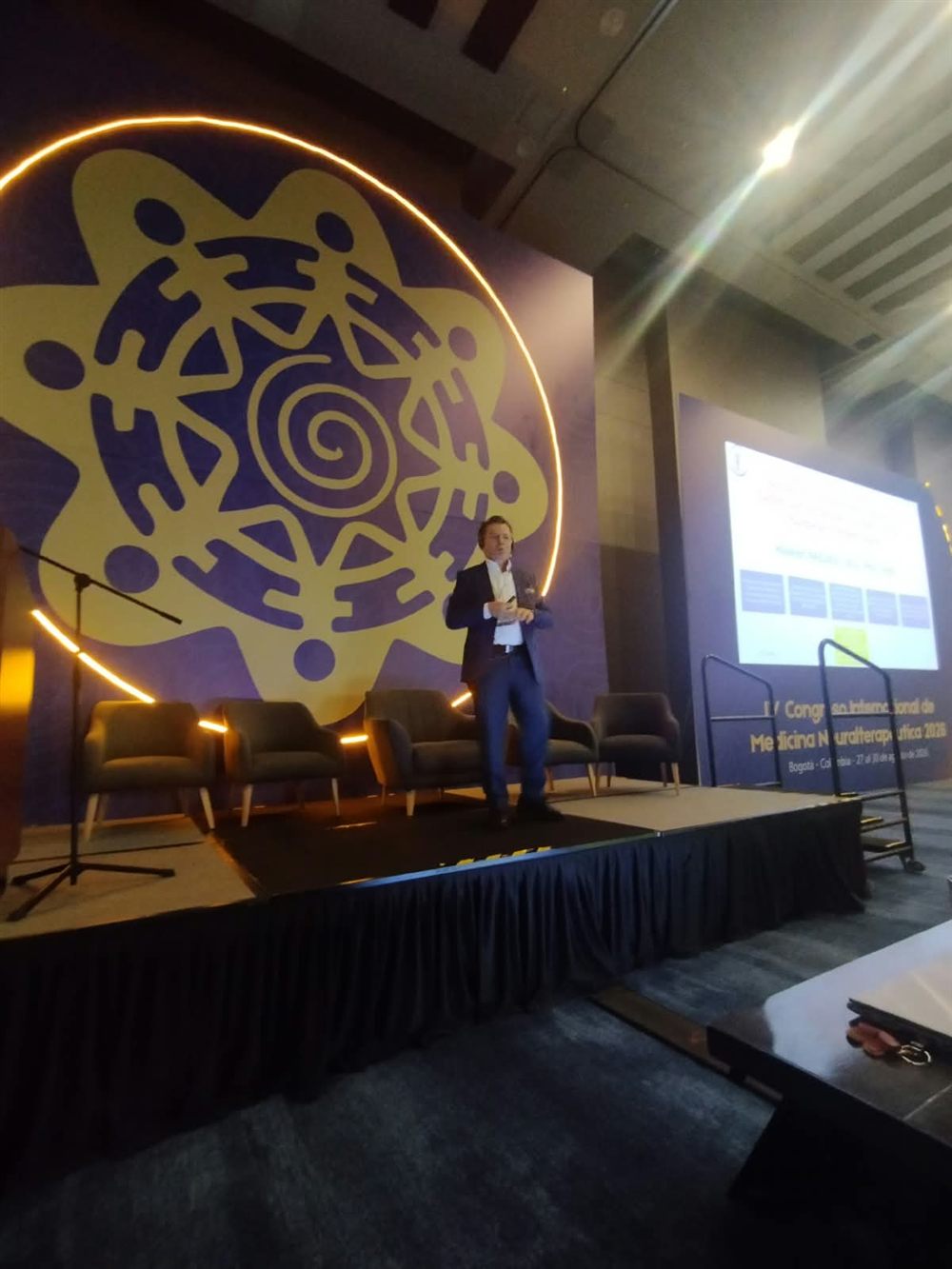
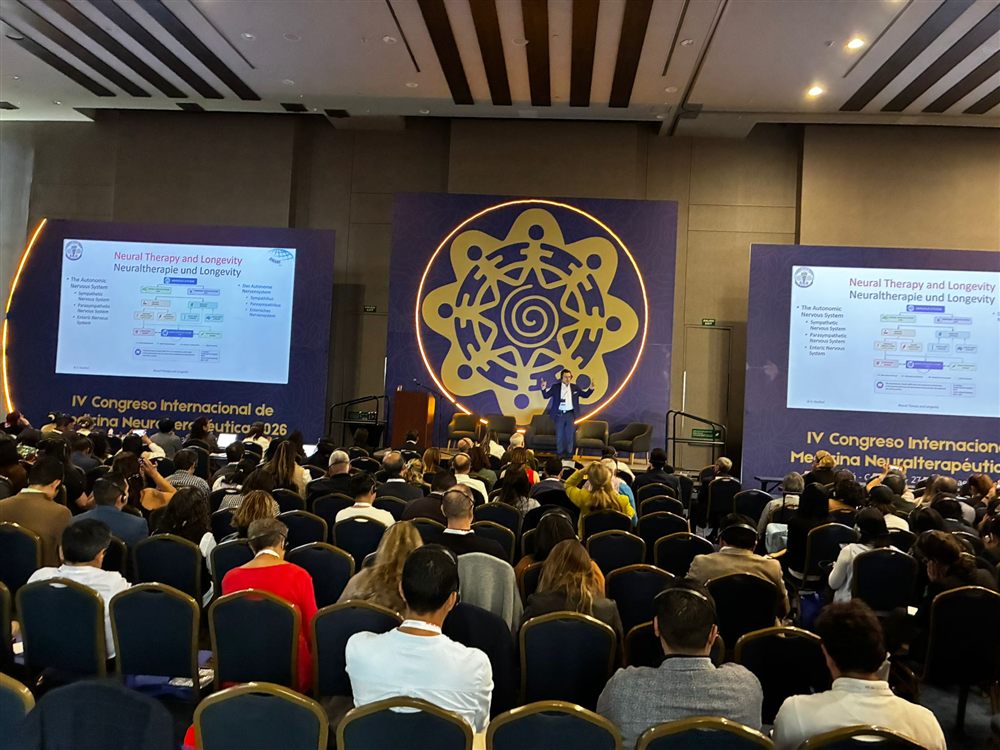
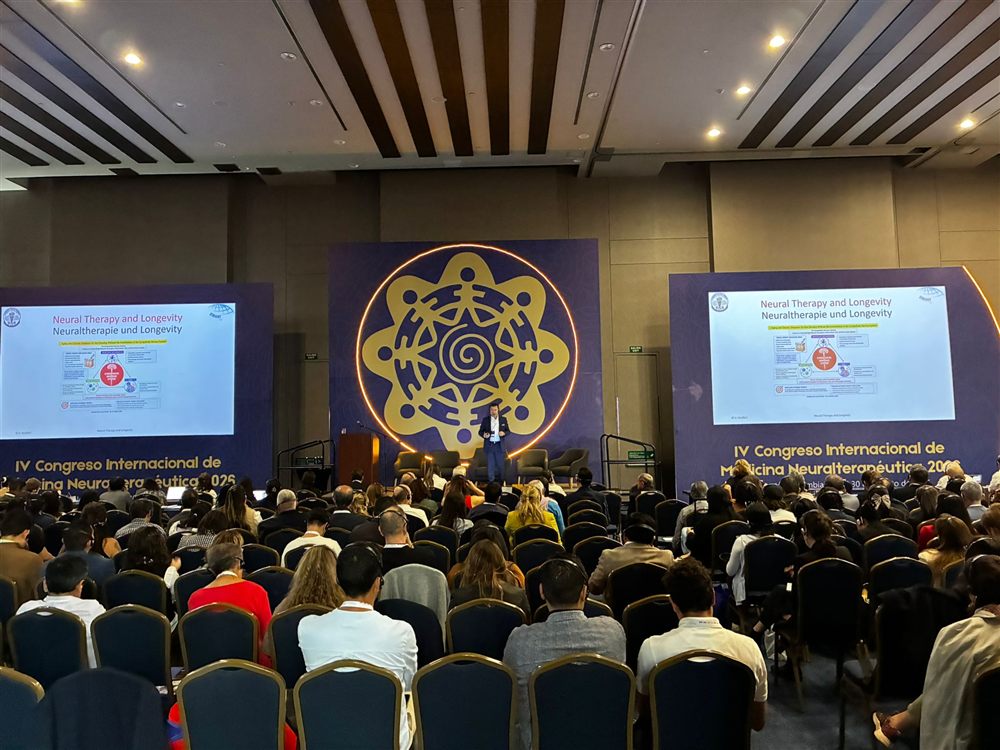
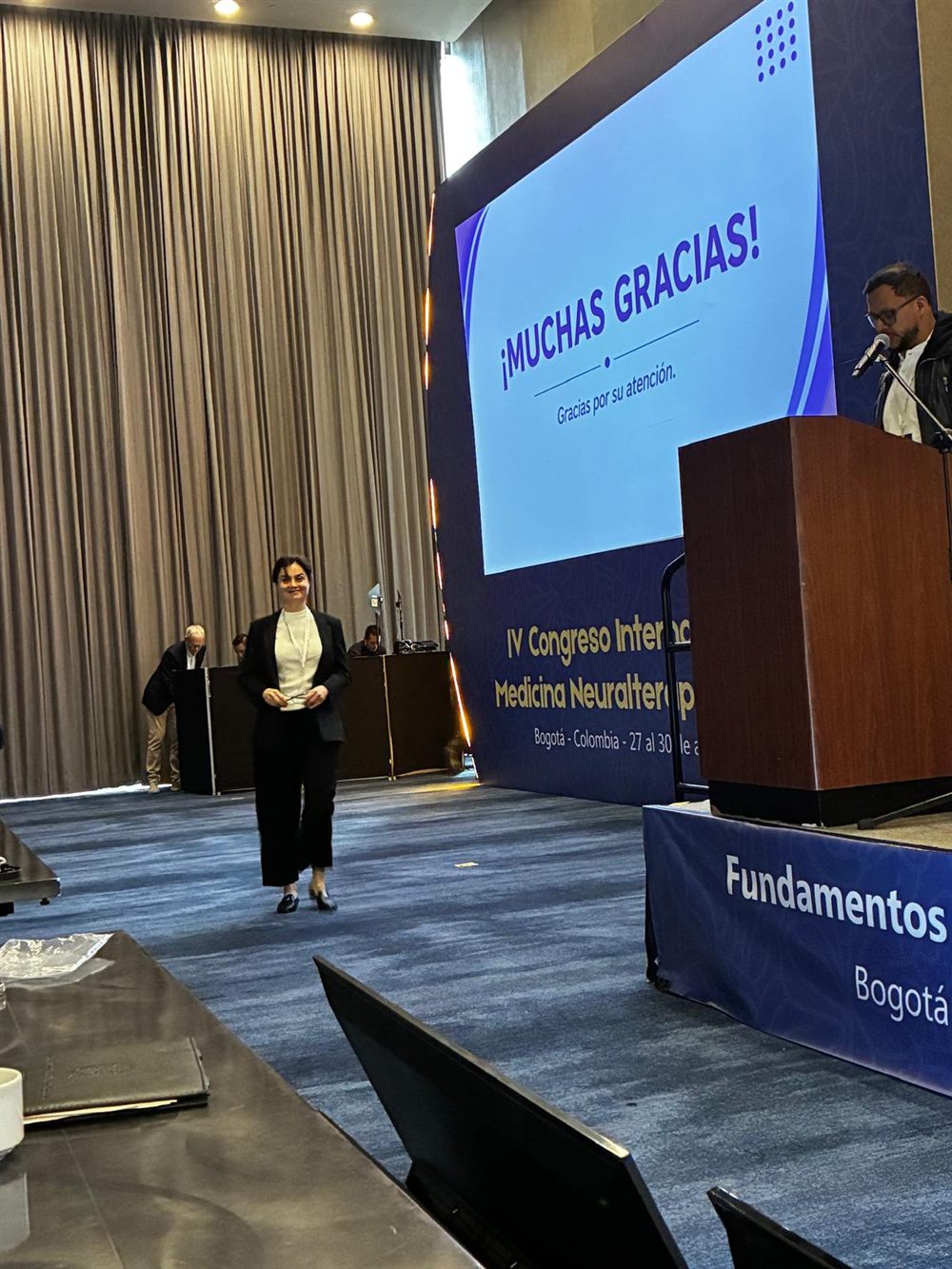
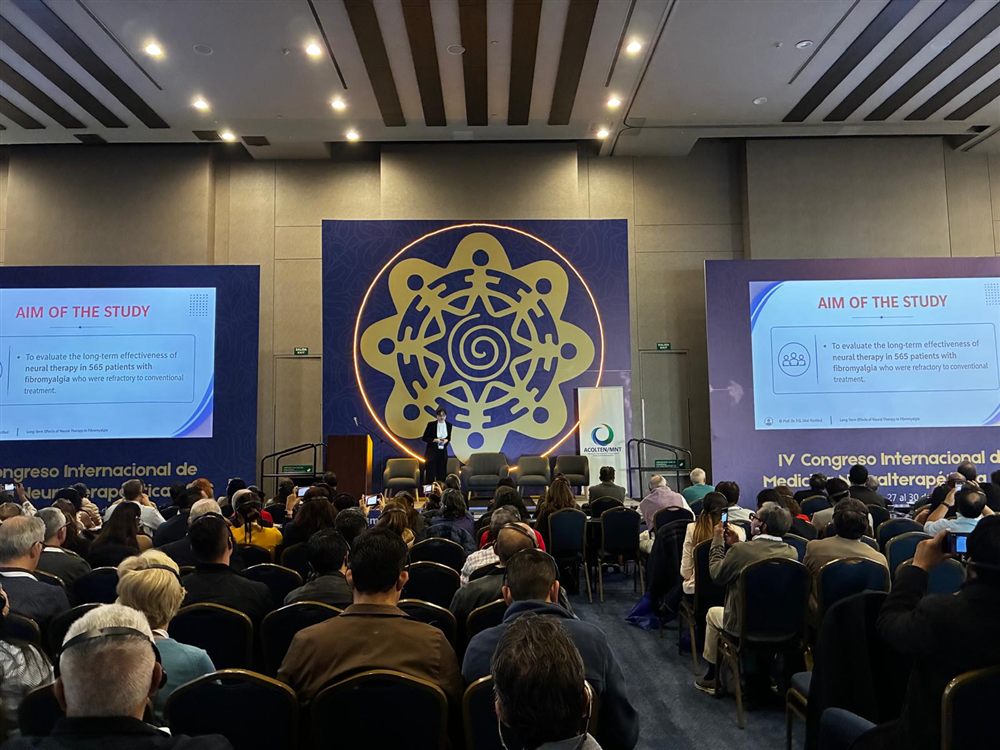
From August 27 to 30, 2026, Bogotá became, for several days, a center of international Neural Therapy. The IV International Congress of Neural Therapeutic Medicine once again demonstrated that our field is alive—and that it continues to evolve.
For me personally, this congress was therefore far more than a scientific meeting. Once again, I experienced what defines our international community: the willingness to listen, to learn from one another, and to assume responsibility together despite differences in schools of thought and perspectives.
That, for me, is what IFMANT is about.
Our Differences Do Not Have to Divide Us
Neural Therapy has developed differently in different countries. This is a historical reality, and I do not see it as a disadvantage.
Latin America has its own experience and, in part, its own tradition of thought. Central Europe has developed along a different path. North America, in turn, brings other medical and scientific questions into the discussion. Each of these developments has something valuable to contribute.
Colombia occupies a special place in this history. The systemic and complex understanding of the human being, and particularly the tradition shaped by Dr. Julio César Payán de la Roche, has left an influence far beyond the borders of Colombia.
At the same time, Europe carries forward almost a century of clinical experience in Neural Therapy. Today, this experience is increasingly being connected with modern neurophysiology, pain medicine, fascia research, immunology, biophysics, and Regulatory Medicine.
Our task, in my view, is not to place one tradition in opposition to another. We must preserve what has proven valuable while also having the courage to examine our experience scientifically.
I have expressed it this way for many years:
Tradition gives us roots. Science gives us a future. We need both.
IFMANT Is Growing – and So Is Our Responsibility
Bogotá was also an important step in the development of IFMANT. Our international family has grown.
With the North American Academy of Neural Therapy (NAANT), the Mexican Neural Therapy society, and the Reiner Wander Society for Neural Therapy in Guatemala, three additional organizations from North and Central America have joined us.
I am very pleased about this. But growth, for me, does not primarily mean being able to count more member societies. Growth means responsibility.
If we come together under the umbrella of IFMANT, this must lead to genuine cooperation, scientific exchange, comparable educational quality, and reliable common standards. An international federation cannot exist only on paper. Its presence must be felt in the everyday work of its member societies.
I want an IFMANT in which we know one another, trust one another, conduct research together, support younger colleagues, and continue learning from one another.
BNR – International Relationships Built Over Many Years
This idea is also closely connected to the history of BNR.
When we began more than two decades ago to develop Neural Therapy in Türkiye in a structured manner, one principle became clear to us very early: we must not think within national borders.
For this reason, BNR sought international exchange from the beginning. To date, we have organized six Neural Therapy congresses in Istanbul with international participation, and Istanbul has already hosted two World Congresses of Neural Therapy.
I am grateful for this—not because of the number of congresses, but because of what developed between them.
Over the years, first encounters became lasting contacts. Contacts became collaborations. Collaborations became friendships between colleagues and enduring relationships between our societies.
Many people who first came to Istanbul as speakers or participants have since become long-standing companions on this journey.
For me, that is the true value of international congresses. A congress lasts a few days. A good relationship can last for decades.
Today, I bring this experience from BNR into my work for IFMANT. International cooperation cannot be imposed. It has to grow. It requires time, trust, personal encounters, and the ability to respect and live with different opinions.
The Next Generation
One of the things that pleased me most in Bogotá was the encounter between generations.
On one side were colleagues who have practiced, taught, and developed Neural Therapy for decades. On the other were many young physicians, dentists, researchers, and students. That gives me hope.
But we must not pass on techniques alone to the next generation. We must teach them to recognize connections, to ask questions, and to think scientifically.
Neural Therapy must never be reduced to a collection of injection techniques. For me, its core lies in understanding regulation, interconnectedness, and the biological individuality of the human being.
If we can pass on this way of thinking while at the same time creating the conditions for good research, Neural Therapy has a strong future.
My Thanks to Bogotá – A Shared Achievement
My special thanks go first to the Asociación Colombiana de Terapia Neural / Medicina Neuralterapéutica (ACOLTEN/MNT), the scientific society that assumed responsibility for organizing this important international congress.
First and foremost, I would like to express my sincere gratitude and appreciation to Dr. Francisco Echandía, President of ACOLTEN/MNT. Leading a scientific society while helping to carry the responsibility for an international congress of this scale requires continuity, commitment, and a strong sense of responsibility. As President of IFMANT, I know from my own experience how much work lies behind such an undertaking.
At the same time, I would particularly like to acknowledge two colleagues whose scientific and organizational commitment could be felt throughout the preparation and realization of the congress: Dra. Laura Bibiana Pinilla Bonilla and Dra. Jazmín Ariza.
Laura Pinilla has been closely connected for many years with the development of Neural Therapy in Colombia and with international cooperation within IFMANT. As a founding member of ACOLTEN, an academically committed colleague, and one of the central scientific figures of the congress, she has made an important contribution to bringing together people, countries, and different Neural Therapy traditions. Her responsibilities within IFMANT also make her an important bridge between Colombia, Latin America, and our wider international community.
Dra. Jazmín Ariza, former President of ACOLTEN and a member of its Academic Committee, also contributed substantially to the success of this congress through her exceptional personal commitment, scientific competence, and organizational responsibility. Her connection with the Universidad Nacional de Colombia and her work in academic education in Neural Therapy also demonstrate how important it is to connect clinical experience, university teaching, and the next generation if our field is to have a sustainable future.
I therefore wish to thank Francisco, Laura, and Jazmín not only personally. For me, they also represent the larger team whose dedication carried this congress and made it possible.
An international congress of this magnitude is never the achievement of one individual. It is the result of collaboration.
My explicit gratitude therefore extends to the entire Organizing and Scientific Committee of ACOLTEN/MNT, to all staff members and volunteers, and to the many people who worked both visibly and behind the scenes before and during the congress.
I would also like to recognize the important academic contribution of the Universidad Nacional de Colombia. Connecting a well-established clinical tradition of Neural Therapy with university teaching, scientific discussion, and research is, in my view, an important step in the future development of our field.
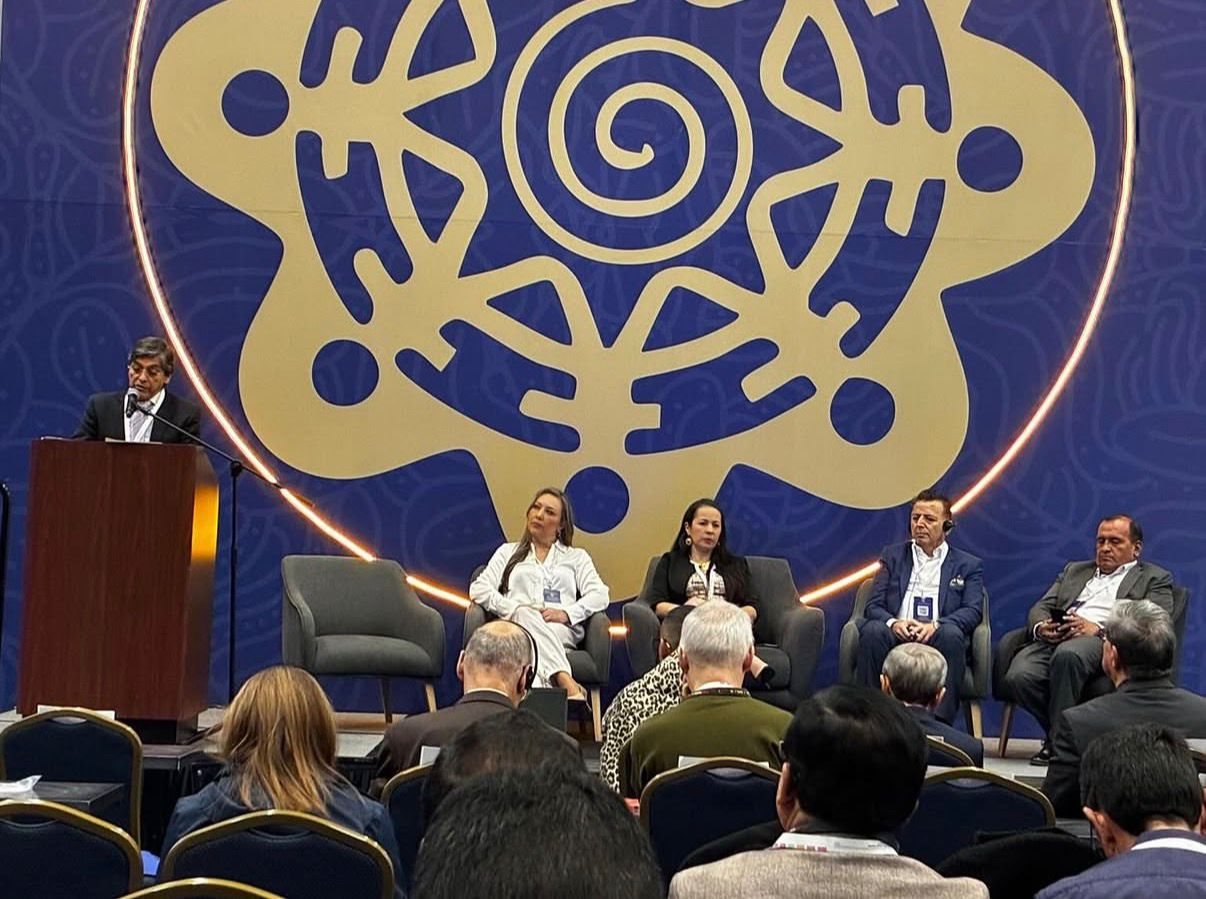
The International Federation of Medical Associations of Neural Therapy (IFMANT) also supported the congress as the international umbrella organization. As President of IFMANT, it was therefore a particular pleasure for me to be in Bogotá not only as a speaker and workshop leader, but above all as part of this international community.
This is precisely where I see one of IFMANT's most important responsibilities: not to stand above national societies, but to connect them. We want to create opportunities for encounter, promote scientific exchange, and build bridges between the different traditions of Neural Therapy.
Bogotá was a wonderful example of this. My thanks therefore also go to all speakers, workshop leaders, researchers, and participants from Colombia, Latin America, Europe, North America, and other parts of the world.
Everyone brought something of their own experience to Bogotá—and I hope everyone also took something new home.
For me, this is what an international congress should be: scientifically open, humanly connecting, and grounded in mutual respect.
And perhaps this is the true achievement of Bogotá 2026. No single person, society, or country stood at the center. At the center was our shared Neural Therapy.
ACOLTEN/MNT created the organizational framework. The Universidad Nacional de Colombia strengthened the academic connection. IFMANT brought together the international community. And Francisco Echandía, Laura Pinilla, Jazmín Ariza, together with many other colleagues, gave their time and energy to transform an organizational idea into a living international encounter.
For that, I feel profound gratitude. And it is precisely this spirit that we should now carry forward from Bogotá to Istanbul.
From Bogotá to Istanbul
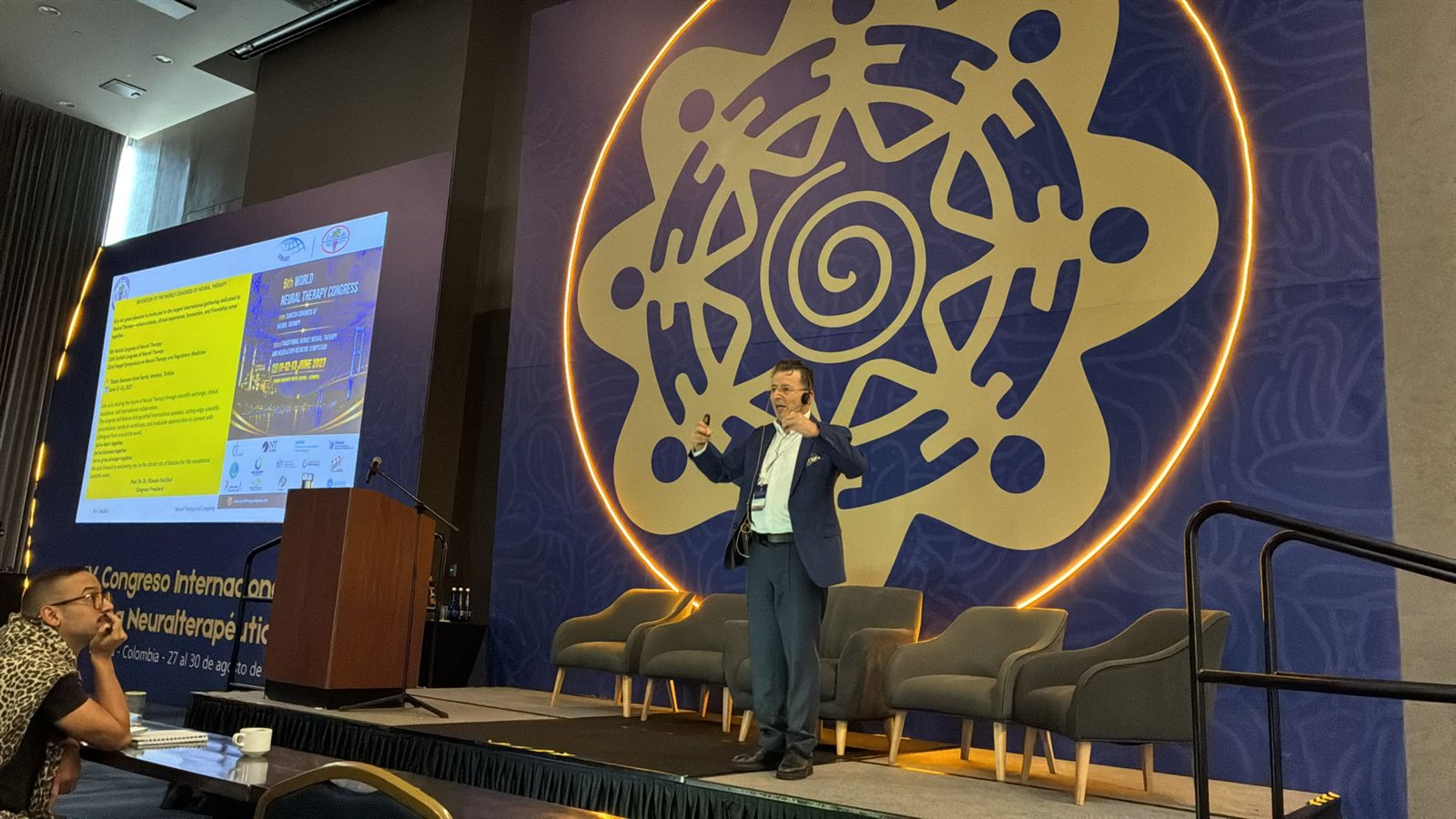
Even as we leave Bogotá, my thoughts are already turning toward our next major international gathering.
From June 11 to 13, 2027, Istanbul will host the V World Congress of Neural Therapy.
Preparations began many months ago. Naturally, the experiences of Bogotá will contribute to our work. But Istanbul is not starting from zero.
We can build on the experience of six international Neural Therapy congresses organized by BNR and two World Congresses already hosted in Istanbul. We know the strength that emerges when people from different countries truly begin talking—and listening—to one another.
And I can hardly imagine a more appropriate place than Istanbul for the next stage of our international community.
Istanbul Is Itself a Bridge
For centuries, Istanbul has connected continents, cultures, and people. Europe and Asia do not merely face one another here. They meet.
Perhaps that is why the thought of the international Neural Therapy community gathering again on the Bosporus in 2027 touches me personally.
I envision a congress that brings together Europe, Latin America, North America, and Asia. A congress where the historical roots of our field have their place alongside modern research. A congress where experienced colleagues engage in dialogue with young researchers. A congress that does not separate Neural Therapy from Regulatory Medicine, but makes their shared questions visible.
Istanbul should not be a congress where we simply demonstrate what we already know. We must also have the courage to discuss what we do not yet know.
What Do We Want to Answer Together?
- How can we further strengthen the scientific evidence for Neural Therapy?
- How can we establish multicenter studies across national borders?
- How can we harmonize our curricula without losing the traditions that have grown within our individual societies?
- How can we define quality and safety together?
- And how can we inspire a new generation of physicians to embrace a medical way of thinking that does not reduce the human being to a symptom, an organ, or a diagnosis?
These are not theoretical questions for me. They will help determine where Neural Therapy stands in ten or twenty years.
That is why Istanbul 2027 needs more than excellent speakers. Istanbul needs people who are willing to think together.
My Personal Invitation
As President of IFMANT and President of BNR, I would therefore like to extend, already today, a heartfelt invitation to all colleagues working in Neural Therapy, Regulatory Medicine, and related scientific disciplines.
Come to Istanbul from June 11 to 13, 2027:
- Bring your experience.
- Bring your research.
- Bring your questions.
- And bring your critical thoughts as well.
We do not have to agree on everything. On the contrary, science lives through questions and through respectful debate in the search for better answers.
What should unite us is our responsibility toward our patients and our shared commitment to developing Neural Therapy on a stronger scientific foundation, with quality and safety at its core.
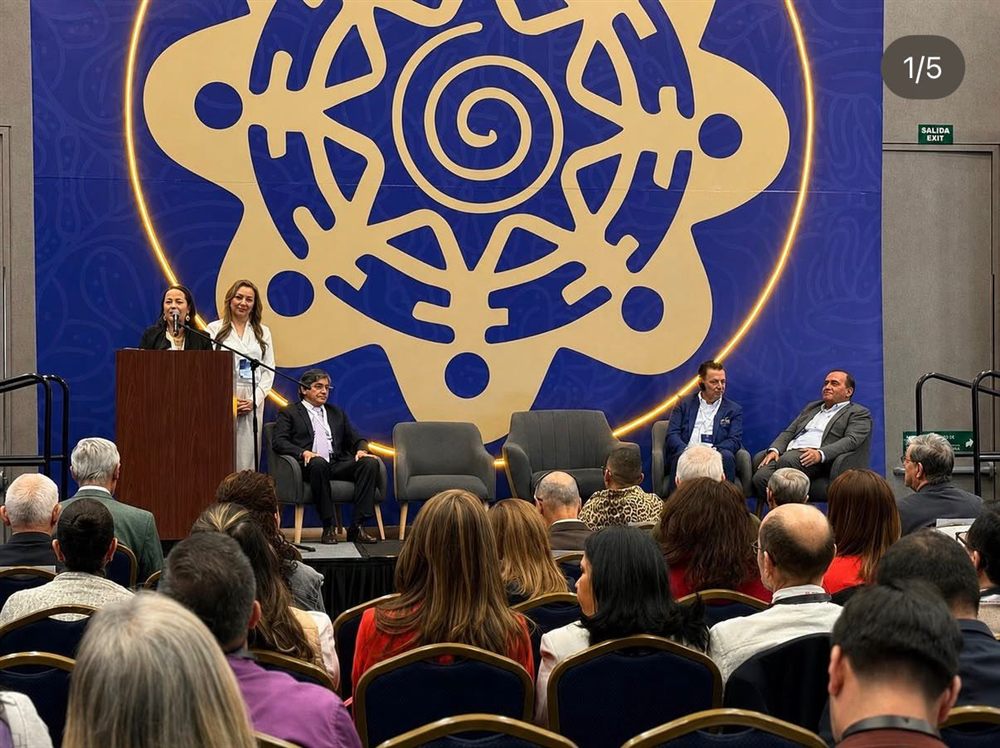
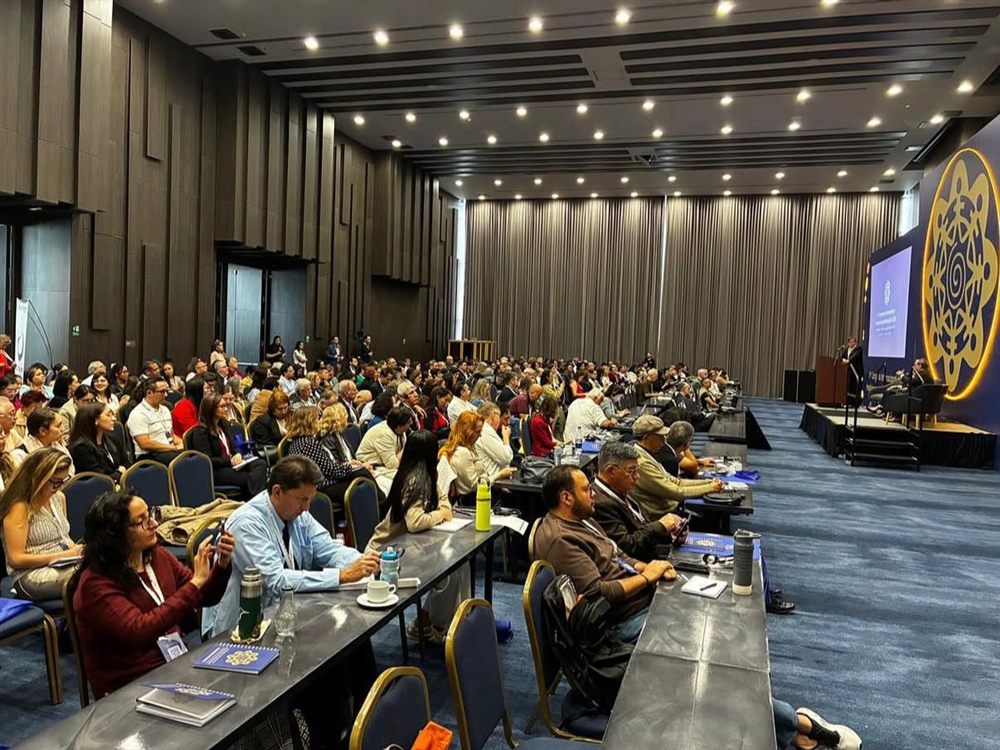
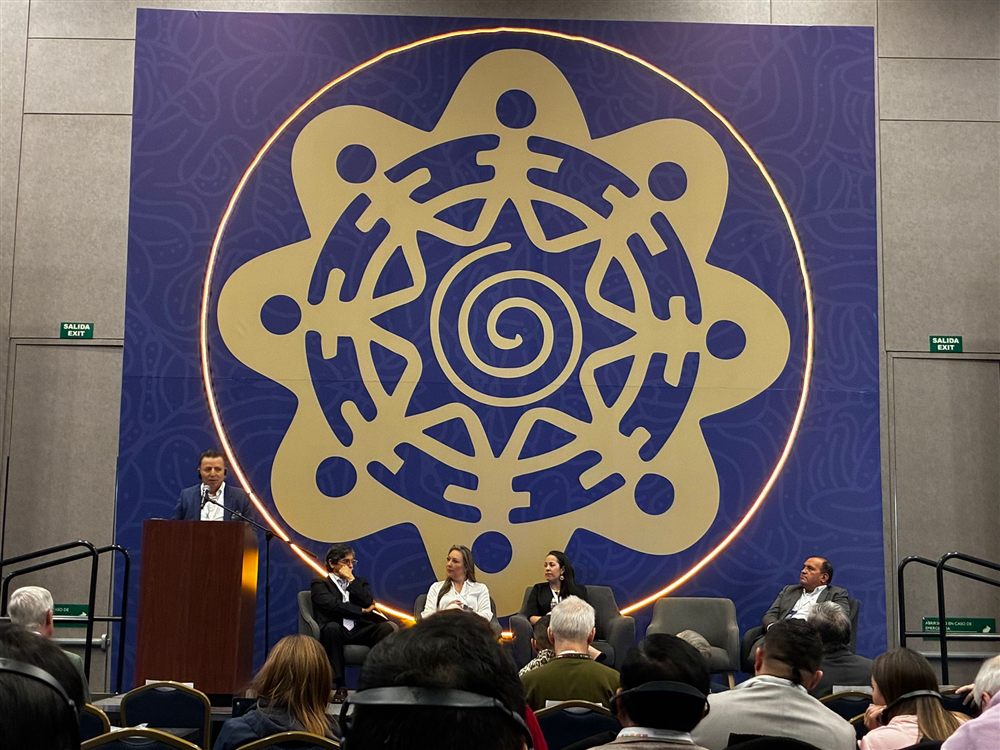
Moments from Bogotá
Bogotá Was a Beginning. Istanbul Will Be the Next Step.
We come from different countries. We speak different languages. Our medical biographies and traditions are different.
But Neural Therapy belongs to no single country, no single society, and no single school. It is a shared medical heritage that we must preserve, critically examine, scientifically develop, and pass on to the next generation.
Bogotá showed me once again how much becomes possible when people are truly willing to listen to one another. Now we carry that spirit forward.
From Bogotá to Istanbul. From Latin America to the Bosporus. From friendships built over many years to new scientific collaborations. From our history to the questions of tomorrow's medicine.
BNR brings the international experience it has developed over many years. IFMANT brings together an ever-growing international family. And Istanbul offers us a place where these paths can meet.
I look forward to that very much.
Bogotá brought us together. May Istanbul bring us even closer.
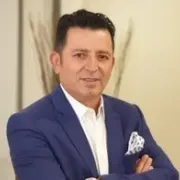
Prof. Dr. Hüseyin Nazlikul
President of IFMANT — International Federation of Medical Associations of Neural Therapy
President of BNR — Scientific Society of Neural Therapy and Regulatory Medicine