


Helicobacter Pylori Infection: Natural Treatment Approaches and the Role of Neural Therapy…

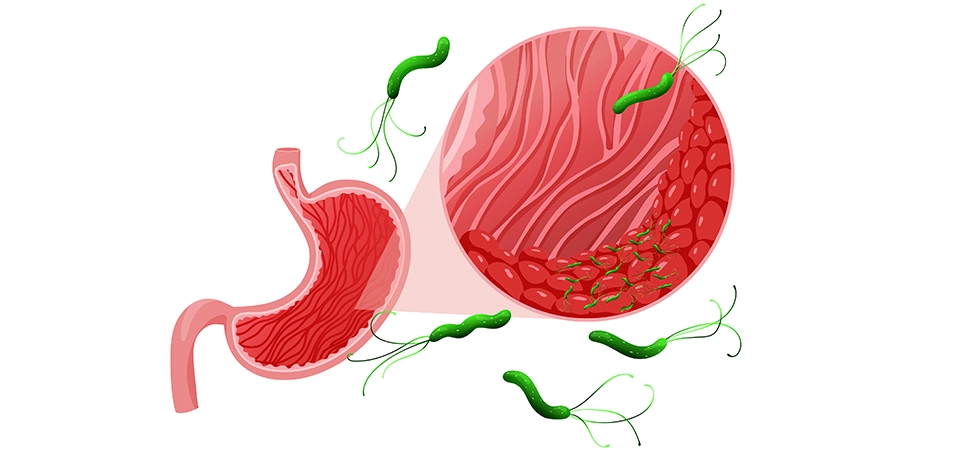
Helicobacter Pylori (H. pylori) is a bacterium that settles in the stomach mucosa and can lead to serious health problems such as gastritis, stomach ulcers, and even stomach cancer. Conventional treatment generally includes antibiotics and proton pump inhibitors (PPIs). However, interest in natural treatments is growing due to increasing antibiotic resistance, side effects, and the risk of recurrence. In addition, holistic approaches are needed to address the underlying regulatory imbalances behind H. pylori infection.
The Role of Nutrition
A special diet is important during H. pylori infection to support the stomach mucosa, strengthen the immune system, and reduce bacterial load. The following dietary recommendations can help in the natural treatment of the infection:
1. Fermented Foods:
• Fermented products rich in probiotics, such as yogurt, kefir, and pickles, support the gut microbiota. In particular, Lactobacillus and Bifidobacterium species can be effective in suppressing H. pylori.
2. Antibacterial Foods:
• Garlic: A natural antibiotic, garlic can inhibit the growth of H. pylori.
• Ginger: Its anti-inflammatory properties soothe the stomach and provide support against infection.
• Turmeric (Curcumin): Reduces gastric inflammation and has antibacterial properties.
3. Polyphenols and Antioxidants:
• Green Tea: Catechins can inhibit the growth of H. pylori.
• Pomegranate, Bitter Melon, and Blueberries: These fruits, high in polyphenol content, can protect the stomach mucosa.
4. Foods That Reduce Stomach Acid and Protect the Mucosa:
• Aloe Vera: Known for its soothing effects on the stomach mucosa.
• Cabbage Juice: May speed up the healing of gastric ulcers.
5. Things to Avoid:
• Refined sugar, alcohol, coffee, processed foods, and overly spicy foods can irritate the stomach and worsen the infection.
Natural Products and Supports
1. Probiotics:
• Taking a high-quality probiotic supplement daily can regulate gut flora and ease the effects of H. pylori.
2. Herbal Extracts:
• Mastic Gum (Chios Gum): Has been proven to show suppressive effects on H. pylori infections.
• Berberine: Effective against infection due to its antibacterial properties.
3. Essential Oils:
• Thyme Oil and Peppermint Oil: Have antimicrobial properties and can stop the growth of H. pylori.
4. Zinc Carnosine:
• With its protective effect on the stomach mucosa, it can reduce damage caused by H. pylori infections.
5. Vitamin D:
• Contributes to the body's fight against infection by supporting the immune system.
NEURAL THERAPY AND HELICOBACTER PYLORI
Neural therapy is a treatment method that aims to re-establish the autonomic nervous system balances in the body by regulating disturbance fields. In H. pylori infection, neural therapy can be effective in the following areas:
1. Correcting Disturbance Fields:
• The origin of H. pylori infection may be disturbance fields around the stomach (for example, scar tissue, chronic infection sites, or dental problems). Regulating these areas with neural therapy helps reduce symptoms related to the infection.
2. Regulation of the Autonomic Nervous System:
• Applications directed at the vagus nerve, which governs stomach and intestinal functions, can help regulate stomach acid and speed up healing processes.
3. Supporting the Immune System:
• Neural therapy can increase resistance against infection by optimizing the immune response.
4. Reducing Inflammation:
• Gastric inflammation may be brought under control with local injections.
A Combination Approach in the Treatment Protocol
A combination of natural products, proper nutrition, and neural therapy offers an effective strategy in the treatment of H. pylori infection. A recommended approach may proceed as follows:
1. First Stage (3-4 Weeks):
• Dietary regulation and probiotic support.
• Reducing bacterial load with natural products (mastic gum, turmeric, zinc carnosine).
• Identifying and regulating disturbance fields with neural therapy.
2. Second Stage (4-6 Weeks):
• Immune-boosting supports (vitamin D, antioxidants).
• Management of gastric inflammation (aloe vera, cabbage juice).
3. Long-Term Management:
• Regular probiotic use to prevent relapses.
• Regulating lifestyle factors associated with H. pylori (stress management, healthy sleep pattern).
Conclusion
H. pylori infection is not merely a bacterial problem, but also an indicator of imbalances in the body's regulatory mechanisms. For this reason, treatment should aim not only to eliminate the infection, but also to support the immune system and overall stomach health. An approach that integrates dietary regulation, natural products, and neural therapy can be effective both in relieving symptoms and in long-term healing. This kind of multidisciplinary approach will increase the success rate when used together with conventional treatments.