


Muscle and Healthy Aging: The Importance of Exercise and Neural Therapy This article addresses the…


Introduction
With the beginning of upright posture and walking in humans, the musculoskeletal system underwent an important evolutionary adaptation. While strong muscles ensured the physical survival of our ancestors, they play a critical role in the healthy aging of modern humans. However, today, the sedentary lifestyle has brought with it problems such as decreased muscle strength and the prevalence of active myofascial trigger points. This article addresses the importance of muscles in healthy aging, the role of exercise, and the contributions of neural therapy.
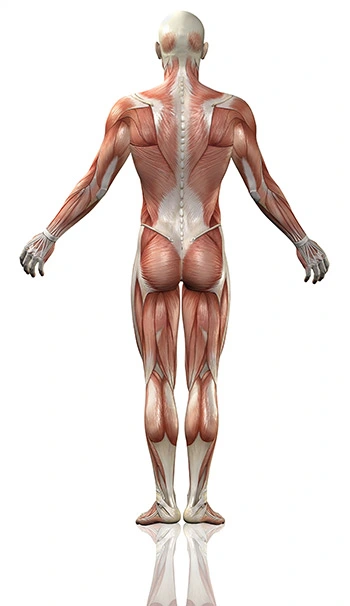 The Importance of Muscles and an Evolutionary Perspective
The mobility of our ancestors required the preservation of strong muscle structures. Physical activity levels in the pre-agricultural and pre-industrial period ensured that muscles were both metabolically and structurally strong. This adaptation also forms a foundation necessary for a healthy aging process in modern humans. However, with the spread of vehicles and technology in today's life, physical mobility has decreased, and as a result the musculoskeletal system has weakened and the risk of disease has increased.
Problems Encountered Today
In modern individuals, a sedentary lifestyle and poor posture habits cause widespread myofascial trigger points to form. Active trigger points:
• Lead to muscle pain and stiffness.
• Create restricted movement.
• Trigger chronic musculoskeletal disorders.
This situation not only limits mobility, but also negatively affects overall health, reducing individuals' quality of life.
The Role of Exercise
1. Working the Muscles with Light Weights:
Regular exercise is necessary to maintain and increase muscle strength. Resistance exercises done with light weights:
• Increase muscle mass and strength.
• Prevent the formation of active myofascial trigger points.
• Support the musculoskeletal system and increase balance.
 2. Post-Isometric Relaxation (PIR):
Following treatment of active trigger points, stretching the muscles using post-isometric relaxation techniques is important for re-establishing muscle balance. This technique helps the muscle return to its optimal length, preventing the recurrence of trigger points.
The Place of Neural Therapy in Muscle Health
Neural therapy is a quite effective method in the treatment of active trigger points. By reducing muscle spasms and pain, neural therapy restores the natural function of muscles. Local injections used during treatment:
• Increase circulation in muscles.
• Regulate nerve-muscle communication.
• Relax shortened muscles, providing rapid healing when combined with exercise.
Stretching and exercise applied following neural therapy contribute to muscles remaining at optimal length and strength.
Healthy Living and Exercise
Exercise and neural therapy can be considered two indispensable elements of healthy aging:
1. Exercise: Regular use of the muscles forms a foundation for metabolic health and overall physical capacity.
2. Neural Therapy: By re-establishing balance between the muscle and nervous system, it enables the prevention and treatment of musculoskeletal disorders.
Conclusion
Muscles are one of the cornerstones of healthy aging. In today's life, scientific methods such as proper exercise and neural therapy should be used together to solve the problems created by sedentary habits and myofascial trigger points. For a healthy life, it is essential to get moving, make physical activity a part of life, and turn to supportive treatments such as neural therapy when needed.
This article emphasizes a multidisciplinary approach toward preserving muscle health and aims to improve individuals' quality of life.
Dr. Hüseyin Nazlikul
President of BNR and IFMANT