


Yeast Fungus (Candida Albicans). Yeast fungus (Candida albicans) is one of the many microorganisms…

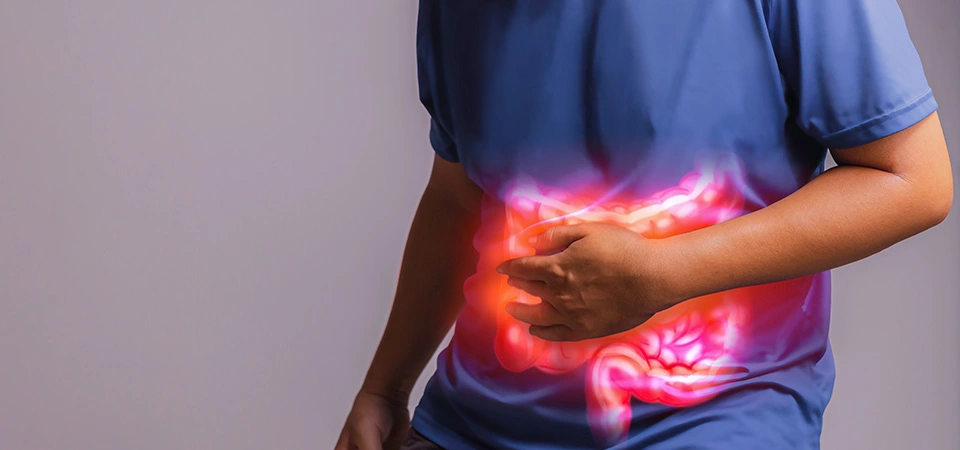
Fungi are divided into two groups: exogenous (external) and endogenous (internal). While exogenous fungi are skin, nail, and foot fungi, endogenous fungi are examined in two groups: mold fungi (Aspergillus) and yeast fungi (Candida albicans).
Although there are approximately 200 species belonging to the genus Candida, Candida albicans is responsible for 75% of fungal infections. It is known to be present in the oral flora of 40% of healthy adults and in the vaginal flora of 20-25% of healthy women. While it is a member of the flora, it is also a primary cause of oral and vaginal opportunistic infections.
The balanced environment created by all living organisms present in a healthy organism is called flora. The most important flora for human health is the intestinal flora. Orthomolecular biologist Jeffrey Bland notes that more than 400 types of bacteria live in the intestines. The total weight of these bacteria, at 1-1.5 kg, is close to the weight of the liver. In a balanced intestinal flora, Bifidus and Acidophilus bacteria exist side by side in a delicate balance. Another important microorganism of the intestinal flora is a powerful pathogenic bacterium called Escherichia coli (E. coli); it is a bacterium that is desired in the smallest amount possible, yet is also essential for flora balance.
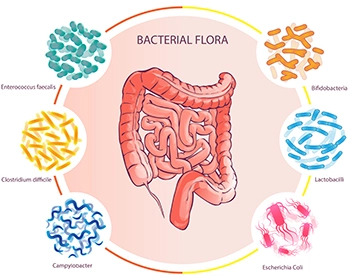 The intestinal flora begins to form when a baby swallows the mother's vaginal flora during natural birth. Researchers have shown that 80-90% of a newborn baby's bacteria are Bifidus bacteria, and that the number of friendly bacteria decreases as one journeys from infancy to adulthood. The balance of the flora, which begins at birth and matures over time, is affected by all vital factors. These include nutrition, water, medications, stress, surgeries, and the immune system.
The body's immune system and non-pathogenic intestinal flora bacteria normally prevent the proliferation of all pathogenic bacteria and keep candida under control. If this strong and delicate balance of the intestinal flora is disrupted for any reason, Candida albicans, an opportunistic colony, begins to multiply, resulting in an intestinal yeast fungus infestation called candidiasis. However, yeast fungus cannot survive without mold fungus, and the proliferation of these two groups only occurs with the destruction of the intestinal flora.
The Significance of Yeast Fungus
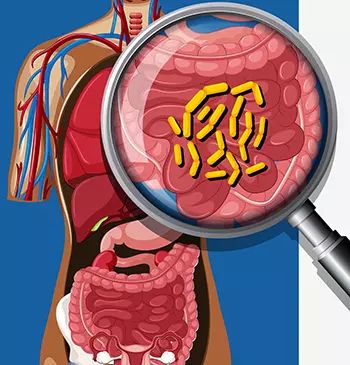 In the clinical picture of candidiasis, Candida albicans, which is normally single-celled, goes out of control and transforms into a multicellular, filamentous, and invasive form. The immunological damage caused by candida attaching to the intestinal wall disrupts the permeability of the intestinal mucosa. Disruption of the intestinal barrier leads to the development of many conditions, such as food sensitivity and food allergy.
Diseases caused by Candida albicans are among the clinical conditions we encounter most frequently. More than 80 antigens of this species have been identified, indicating its high reproductive potential. The best way to protect against candida is a balanced flora and a balanced immune system.
Diagnosis: As with the assessment of any patient from the perspective of complementary medicine, taking a thorough history — listening to the patient's story — is very important for diagnosing candidiasis as well. However, for an accurate diagnosis, stool analysis, the more functional Reviquant and Vegatest methods, and kinesiological manual muscle testing are also used.
Causes of Yeast Fungus
- Disrupted intestinal flora (Dysbiosis)
 Medication use, especially antibiotics; since antibiotic use kills non-pathogenic flora bacteria along with pathogenic bacteria in the intestinal flora, this disrupts the flora balance and leads to an increase in candida numbers. Steroids, painkillers, hormones, cytotoxic drugs, and chemotherapeutics are also among the most common causes of disrupted intestinal flora and candidiasis.
- A weakened immune system; neurological diseases, immunological diseases
- Primary or secondary insufficiency of digestive secretions, particularly imbalances in enzyme production caused by pancreatic dysfunction
- Liver function disorders
- Excessive stress and tension
- Unhealthy nutrition; dietary mistakes, particularly ready-made foods, additives, an unbalanced diet, a one-sided diet, a diet heavy in refined carbohydrates
- Excessive consumption of refined sugar, alcohol, and sweets. Since candida's primary food source is refined carbohydrates, this is among the most important factors.
- Poor oral and dental health, and failure to take the hygiene measures necessary for oral health
- Not drinking enough water
- Poor-quality sleep, sleep disorders
- Hormonal dysfunction
- Intense exposure to electrosmog
- Food sensitivity, food allergy
- Stress
- Lack of physical activity
- Adiposity (excess weight)
- Diabetes
- Interference fields
SYMPTOMS OF YEAST FUNGUS
The intestines are known to be the body's second brain. Since they are also an important part of the immune and hormonal systems, the symptoms of candidiasis affect all systems.
The most common clinical complaints:
 Depression, anxiety, difficulty reasoning, irritability, difficulty concentrating
- Constipation, diarrhea, bloating (gas in the abdominal area), heartburn and the resulting throat burning, indigestion, abdominal pain due to intestinal cramps, anal itching, and irritable bowel syndrome-like complaints
- Elevated liver enzymes, decreased pancreatic enzymes, weight gain, inability to lose weight
- Sugar cravings; because intestinal fungi consume excessive amounts of sugar, low blood sugar is seen in the person. Because of this, the person constantly eats sugary foods.
- Halitosis (bad breath), dental and gum disease, oral canker sores, white coatings forming on the gums and tongue that recur even after brushing and rinsing.
- Chronic fatigue, sleep disorders, exhaustion, lack of energy, a feeling of burnout, low mood
- Chronic pain, fibromyalgia, migraine, muscle spasms, swelling and pain in the joints
- Acne, skin rashes, flare-ups of skin diseases, eczema, psoriasis, allergic reactions, itching
- Urinary tract complaints (especially in women), dysmenorrhea, vaginal infections and fungal infections becoming widespread, hormonal imbalance; prostatitis and impotence in men
- Hyperactivity in children, learning and behavioral disorders, loss of appetite, recurring ear infections
- Shortness of breath and heart problems
- Fungi in the intestines gradually destroy beneficial bacteria and take their place. This is why conditions such as constipation and diarrhea appear in the person.
- Smell of alcohol on the breath even though the person has not consumed alcohol
- Chronic bladder and vaginal inflammation
- Joint and muscle pain: The mycotoxins secreted by fungi concentrate in the joints and muscles, causing pain.
- Difficulty concentrating
- Low sexual desire: Due to a lack of energy in the person, this leads to reduced sexual desire.
- Fungi spread even more with the use of birth control pills.
The Goal of Treating Yeast Fungus
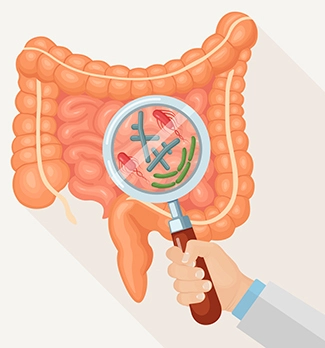 It's essential to restore the function of the person's immune system without wasting time. The results of a stool analysis, showing the level of candida along with the IgA level — an important indicator for gut-based immunity — and the flora index, serve as a guide.
A multifaceted approach is required when treating yeast fungus (Candida). This is because it's not really possible to eliminate candida with a single medication alone. The frequent recurrences seen after using chemical antifungals alone have led to the holistic treatment protocols developed today using a complementary medicine approach. From this perspective, the goal is to establish the bodily conditions that will lead to the elimination of candida and provide a regulated environment for the renewal of healthy bacteria. The most important pillar of treatment is regulating the function of the intestinal system with neural therapy, strengthening the immune system, and starving candida through dietary regulation. It's important to help the body regulate itself once again.
TREATMENT OF YEAST FUNGUS (CANDIDA)
We can classify the treatment of candidiasis as follows:
1. A combination of herbal and chemical medication
2. Healthy and balanced nutrition
3. Neural therapy
4. Water and physical activity
5. Rectal ozone
6. Colon hydrotherapy
1. Combination of herbal and chemical medication: In this combination, we primarily recommend herbal blend products sold at pharmacies to permanently eliminate the fungus. Alongside this, probiotics containing live organisms for restoring the intestinal flora, prebiotics where appropriate, and natural remedies to support the intestinal immune system are also an indispensable part of treatment. If there are (based on laboratory results) any missing vitamins and minerals, supplementing them is very important for the immune system.
2. Healthy nutrition and diet: It's not really accurate to describe healthy, balanced nutrition under the heading of "treatment," because this isn't a form of treatment — it only has meaning when it becomes a way of life. Still, let's explain what should and shouldn't be eaten in the presence of candida:
 Candida albicans' most important food source is sugar. All products made from white flour, alcohol, and their derivatives quickly convert to sugar and feed candida. Since another way to eliminate candida during treatment is to starve it, all refined carbohydrates must be strictly avoided for at least two months.
- When we say refined carbohydrates, it should be remembered that all types of alcohol are just as much a sugar reservoir as white flour and white sugar.
- Because ripe and dried fruit contain large amounts of fructose, and fructose quickly converts to sugar (glucose), ripe fresh fruit and dried fruit should also be avoided for at least two months.
- Rice, bulgur, soy sauce, and yeasted foods are other items that people with candidiasis should avoid.
- Those with candida in their intestines should make an effort to eat colorful and varied foods. Plenty of seasonal vegetables, salad greens, leafy greens, fresh onion, garlic, and leeks support the immune system, while cabbage-type vegetables in particular show antimicrobial activity.
- There's one very beneficial food during this treatment process, and that's the tomato. Thanks to the lycopene, vitamins C and E, potassium, and numerous minerals found particularly in its juice, it's a very beneficial food during this dietary process.
- Legumes, seeds, and nuts are a rich source of protein for the immune system, while also containing rich fiber and many secondary plant substances that help protect the intestinal flora.
- Whole grain flour and its derivative products, muesli, cereal, and grain dishes; all types of fish; and lean meat are the basic foods that people with candida can consume.
- Separate from foods that should and shouldn't be eaten, food sensitivities that develop due to increased intestinal permeability in people with candida and dysbiosis are seen in almost every case. These foods and food groups must also be removed from the diet for at least two months, because even the mildest food sensitivity reactions require at least eight weeks to resolve.
There are two important points we need to remember. The first is that this diet — the candida diet — is very different from weight-loss diets. In weight-loss diets, you follow your diet six days a week but allow yourself a cheat day as a reward — there's no problem with that, in fact it's a recommended approach. In the candida diet, however, the reward comes on the day candidiasis is over; occasional diet slip-ups only prolong the treatment period.
The second point is that during treatment, as candida is being eliminated, there can be a period during which people don't feel well, with increased complaints such as allergies, rashes, and pain. This can be explained by the toxins released as candida continues to die off, placing strain on the immune system — essentially a kind of healing crisis. However, once the toxins are eliminated from the body, healing continues rapidly.
3. Neural therapy: Neural therapy, performed with local anesthetics and a regulation treatment, is the main treatment method for regulating all the processes that pave the way for intestinal fungus.
4. Water and physical activity: The healing of chronic diseases is only possible through lifestyle adjustments.
5. Rectal ozone: Ozone therapy is a complementary medicine treatment method that regulates the immune system and supports the regulation of inflammation. The ozone gas, which comes into contact with the intestinal mucosa, provides a meaningful contribution to the healing of the mucosa through direct effect.
6. Colon hydrotherapy: When properly indicated and applied by a specialist team, this is an effective intestinal cleansing method, particularly for people who also receive intestinal flora support.
Dr. Hüseyin NAZLIKUL, M.D., PhD.
President of IFMANT = International Federation of Medical Associations for Neural Therapy
President of the Scientific Neural Therapy Regulation Association