


Heartburn and Reflux: Causes, Treatment Methods, and Ways to Prevent Them - Heartburn and reflux…


These conditions occur as a result of stomach acid backing up into the esophagus and are described as a burning sensation behind the breastbone. In this article, we will examine in detail the causes of heartburn and reflux, treatment methods, and ways to prevent them, while also emphasizing the serious health problems that can arise if left untreated.
Causes and Risk Factors
Among the most common causes of heartburn are improper dietary habits, excess weight, stress, certain medications, and lifestyle choices. Certain foods such as fatty foods, spicy foods, caffeinated drinks, and alcohol can increase these complaints. In addition, smoking, insufficient sleep, and obesity are other important factors that increase the risk of reflux and heartburn. Obesity increases the pressure on the stomach, raising the likelihood of stomach acid backing up into the esophagus.
Problems That Can Arise If Reflux Is Left Untreated
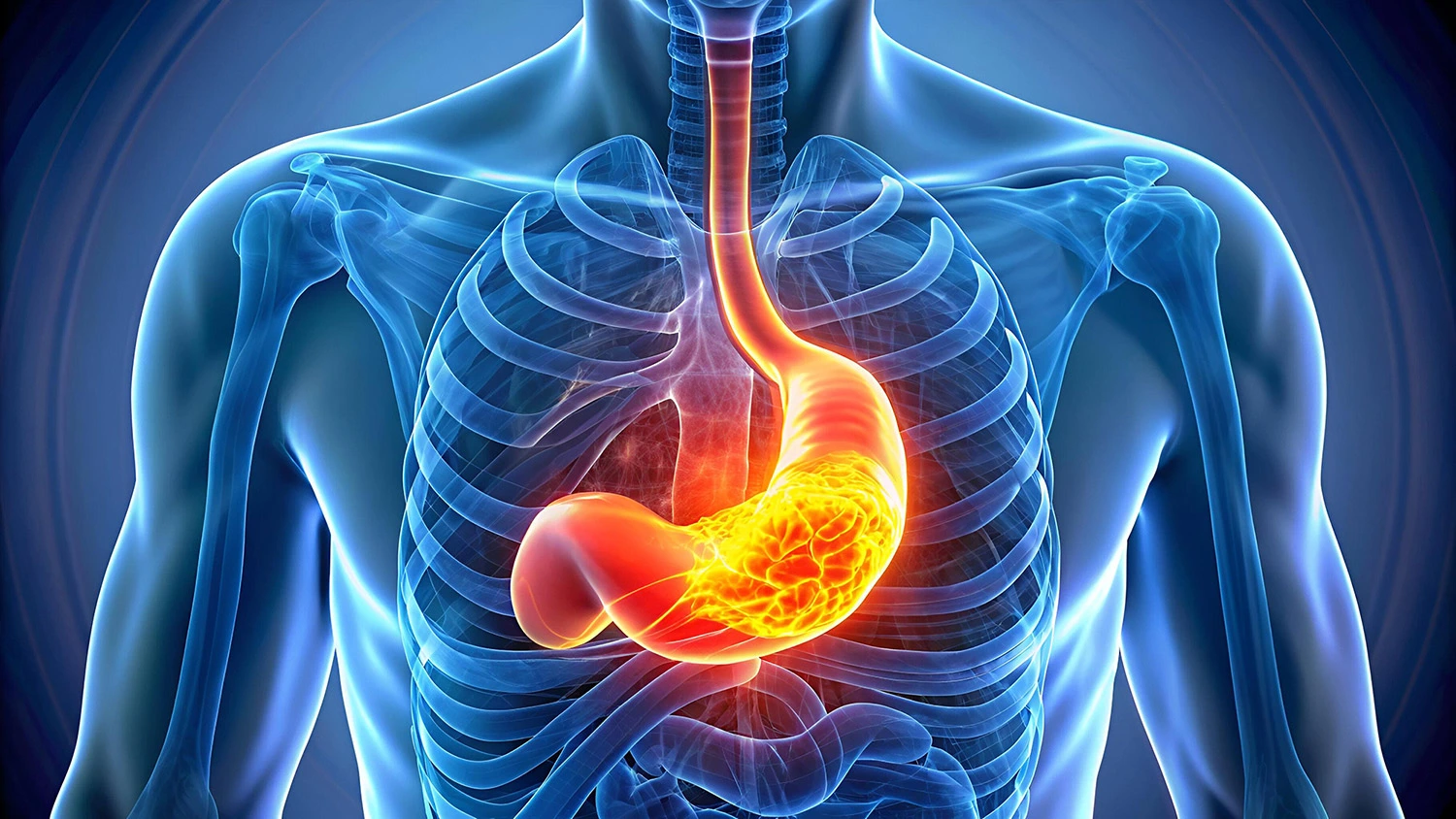
When reflux is not treated, it can lead to serious damage to the esophagus (food pipe) in the long term. The continuous backflow of stomach acid into the esophagus irritates the mucosal layer covering the inner surface of the esophagus. Over time, this condition can lead to inflammation of the esophagus, called esophagitis, and even to precancerous conditions such as Barrett's esophagus. Esophagitis can cause severe chest pain, difficulty swallowing, and bleeding. Particularly in individuals who consume alcohol, the progression of reflux can lead to the formation of varices in the esophagus (esophageal varices) and bleeding from these varices, which can be life-threatening.
The Dangers of Eating Late at Night and Improper Sleep Habits
Another important factor that worsens reflux symptoms is eating late at night. Eating heavy meals before bed increases the likelihood of stomach acid backing up into the esophagus. This can cause stomach acid to remain in the esophagus throughout the night, and the acid can damage not only the esophagus but also the throat and even the lungs. Improper pillow use in particular, and lying flat, make it easier for stomach acid to flow back into the esophagus. Aspiration of this acidic content into the lungs can cause serious lung infections such as aspiration pneumonia. Such conditions can lead to serious damage in the throat and lungs and, in the long term, to chronic respiratory problems.
Semaglutide (Oz….) and Its Side Effects
In recent years, medications such as semaglutide, used for weight loss and the treatment of type 2 diabetes, can cause side effects such as heartburn and reflux. An increase in heartburn and reflux complaints during the use of these medications can negatively affect patients' quality of life. For this reason, it is extremely important that these kinds of medications are not used without a doctor's supervision.
Nutritional Recommendations
Following a balanced and mindful diet is of great importance for reducing reflux and heartburn complaints. Here are some nutritional tips:
- Small Meals: Eating several small meals throughout the day strains the stomach less than large portions and prevents excessive production of stomach acid.
- Avoiding Trigger Foods: Foods such as fatty foods, citrus fruits, chocolate, caffeinated drinks, and alcohol can trigger heartburn. It is important to limit consumption of these kinds of foods.
- Eating Slowly: Eating meals slowly and chewing thoroughly supports digestion and can reduce stomach acid secretion.
- Not Eating Before Bed: Stopping eating at least 2-3 hours before bed reduces the risk of stomach acid backing up into the esophagus.
Home Remedies for Heartburn
In addition to dietary adjustments, there are also some home remedies that can be applied to relieve heartburn symptoms:
- Chamomile Tea: The soothing effect of chamomile tea can reduce stomach acid by protecting the mucous membranes.
- Baking Soda: Adding a teaspoon of baking soda to a glass of water can briefly neutralize stomach acid.
- Ginger: Ginger has anti-inflammatory properties and can relieve heartburn when taken in tea or capsule form.
Conventional Treatment Methods and the Holistic Approach
Medications such as antacids, proton pump inhibitors (PPIs), and H2 receptor antagonists are generally used in the treatment of heartburn and reflux. These medications can relieve symptoms by reducing the production of stomach acid. However, since long-term use of these medications can cause various side effects, it is important that they be taken under a physician's supervision.
The Importance of a Holistic Approach
The holistic medicine approach aims not merely to temporarily relieve symptoms, but to achieve lasting healing by getting to the root of the illness. In the treatment of chronic conditions such as reflux and heartburn, conventional treatment methods alone may not be sufficient. For this reason, creating a comprehensive treatment plan with lifestyle changes, dietary adjustments, and alternative treatment methods is of critical importance for patients to achieve long-term well-being.
The Effect of Neural Therapy on Treatment and Its Mechanism of Action
By targeting the body's interference fields, neural therapy relieves pressure on the autonomic nervous system and activates the body's own self-regulating mechanisms. This treatment method, applied with low doses of local anesthetics, normalizes neural communication. In the treatment of reflux, treating interference fields particularly around the gastrointestinal system and the esophagus can help reduce symptoms and rebalance the digestive system.
Neural therapy not only relieves chronic inflammation, but also allows organs to function more efficiently by regulating energy flow in the body. In particular, the neural stimuli that trigger uncontrolled production of stomach acid can be balanced through neural therapy. This helps patients bring their heartburn and reflux symptoms under control, while also achieving lasting healing by getting to the root of these conditions.
Acupuncture and Reflux Treatment
Acupuncture is an ancient Chinese medical method that aims to balance the body's energy meridians. In the treatment of reflux, acupuncture can help regulate stomach acid by supporting the normal functions of the digestive system. Acupuncture points can encourage the muscles between the stomach and esophagus to function better, and this can prevent stomach acid from flowing back into the esophagus.
In addition, acupuncture plays an important role in managing stress-related heartburn and reflux cases by reducing stress. Stress can increase stomach acid production by having negative effects on the digestive system. Acupuncture can break this cycle by balancing the nervous system.
Phytotherapeutic Support
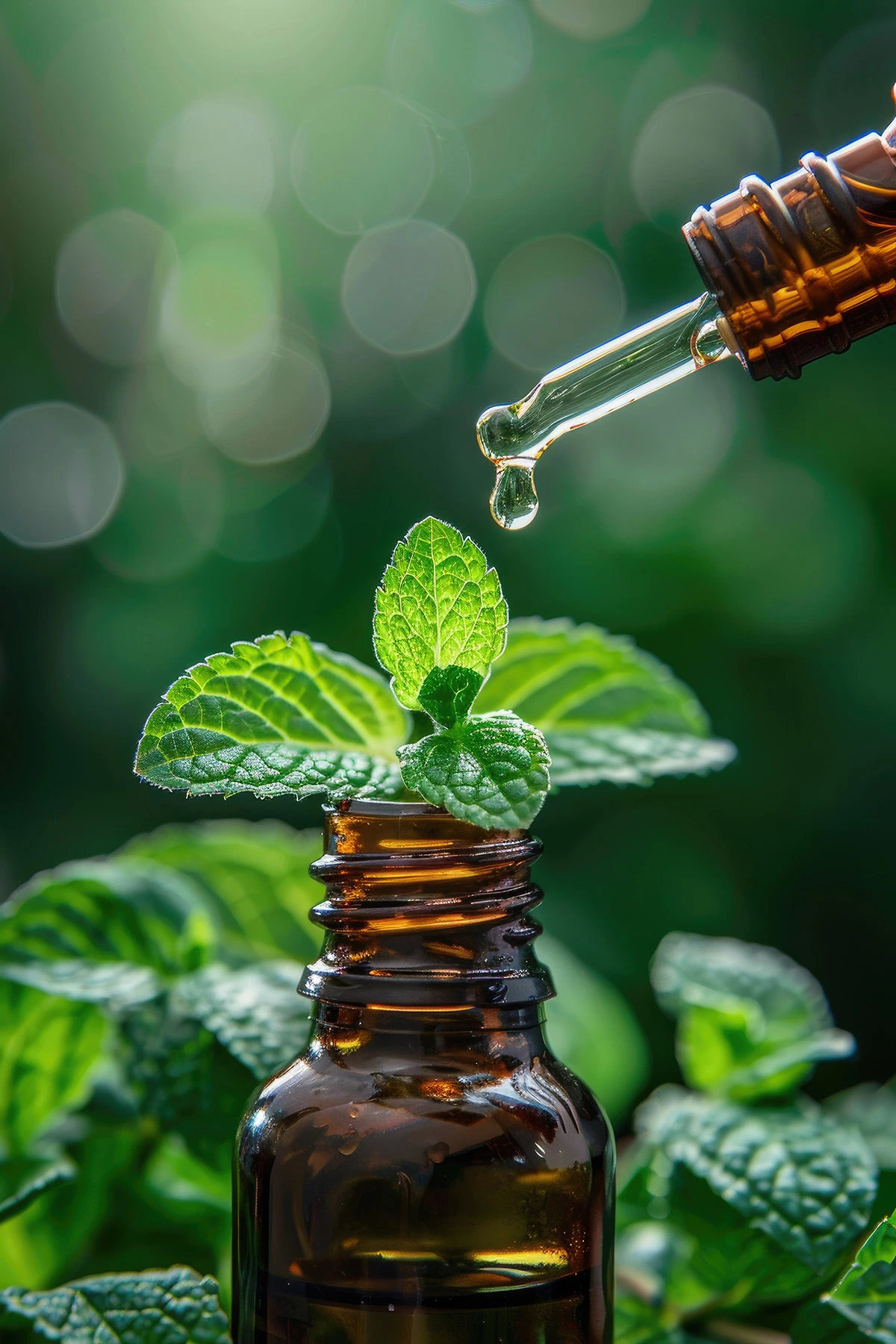 Phytotherapy is a treatment method in which herbal treatment methods are used, and it can be quite effective in the treatment of reflux. Plants such as chamomile, ginger, aloe vera, and marshmallow root have soothing effects on the digestive system and can relieve damage caused by stomach acid. These plants protect the stomach wall by reducing inflammation and can prevent stomach acid from flowing back into the esophagus.
Ginger in particular is known for its powerful anti-inflammatory properties and is effective in relieving heartburn. Aloe vera, on the other hand, can reduce the irritating effect of acid by coating the stomach wall. In addition, marshmallow root can relieve reflux symptoms by forming a barrier that coats the stomach and esophagus.
Phytotherapeutic support not only relieves symptoms, but also improves overall digestive system health. Herbal support provides lasting well-being in the long term by supporting the body's natural healing processes.
Conclusion
Heartburn and reflux are common conditions that can be effectively managed with a holistic approach. While conventional treatment methods can help relieve these complaints in the acute period, holistic approaches such as neural therapy, acupuncture, and phytotherapy aim for lasting healing by getting to the root of the illness. These methods not only suppress symptoms, but also enable patients to lead a healthy life in the long term by supporting the body's natural balancing mechanisms.
When reflux is left untreated, it can lead to serious irritation in the esophagus (food pipe), and over time, even to more serious health problems such as esophagitis and Barrett's esophagus. Foods aspirated as a result of eating heavy meals late at night and improper pillow use in particular can cause serious problems in both the throat and the lungs. In individuals who consume alcohol, reflux can pave the way for serious complications such as esophageal varices and bleeding.
For this reason, if you have heartburn and reflux complaints, it is of great importance to get professional help from a specialist to create the most suitable treatment plan for you and protect your long-term health.
Dr. Hüseyin NAZLIKUL
IFMANT = President of the International Federation of Neural Therapy
President of the Scientific Neural Therapy Regulation Association