


The Immune System Is Like a Bank Account for Health! The Better It Is, the Healthier You Are! Our…

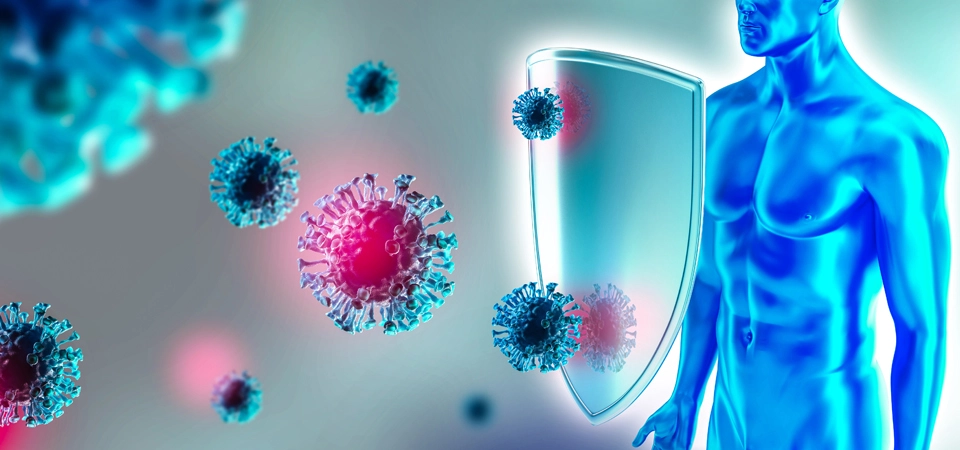
The immune system: Its functional importance
The immune system is responsible for recognizing and neutralizing pathogens and foreign substances. This complex system protects the body from harmful viruses, bacteria, fungi and other microorganisms. Our immune system is also characterized by numerous cellular and molecular processes, known as the immune response. Both antibodies and antigens are components of the immune response. If the immune system responds slowly or produces incorrect immune responses, it is weak. For this reason, diseases present themselves with more severe symptoms. People with a weak immune system are more susceptible to colds, rhinitis and other infections. An immune system is strong when it works actively and efficiently.
Immune cells are formed in the bone marrow and mature in the thymus gland. The immune system, along with the nervous and hormonal systems, is one of the most complex systems in the body.
It consists of different organs such as the bone marrow, thymus, spleen, tonsils, and lymph nodes, as well as various tissues, cell types and molecules.
The defense system is divided into two units: an innate (non-specific) immune system and an acquired (specific) immune system. Both defense units work together and complement each other in defensive responses against foreign invaders.
 Our immune system is like our "health savings account." Eating healthily, engaging in sufficient physical activity, sleeping well, staying calm, avoiding toxic substances known to be harmful to the body, avoiding alcohol and cigarettes, maintaining a healthy sex life, and keeping a positive mood all mean making regular deposits into this account.
If we have a certain amount saved in our health account — that is, if our immune system is functioning well — then when a situation arises that requires a withdrawal from this account, such as an illness, our immune system will be able to fight against the disease.
If, due to reasons such as an irregular lifestyle, alcohol, smoking, inactivity, excess weight, excessive animal-based food consumption, an unhappy life, poor-quality sleep, and intense stress, no savings have accumulated in our account, our body will end up laying the groundwork for a very serious illness to take root when faced with any disease it encounters.
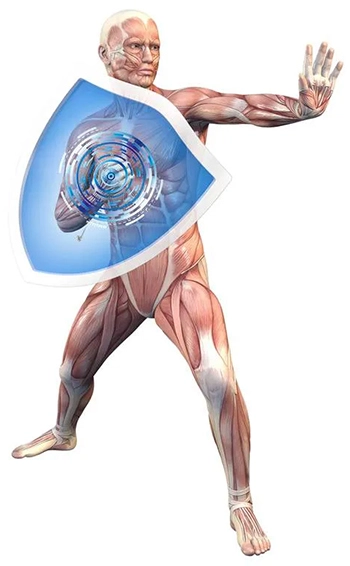 In that case, since we won't have the option of taking out a loan when we face an illness, it will only be a matter of time before we go bankrupt and hit rock bottom in terms of health. In fact, in our daily lives, we encounter microorganisms that could make us sick at any moment. If we have sufficient savings in our health account and our immune system is functioning well, we're often not even aware of the battle we're waging against the microorganisms we're exposed to. However, when our immune system is weak, situations that wouldn't cause illness in many people can cause very serious illness in us.
Our immune system is very important for our health. The investments we make in our immune system are a valuable resource that will protect us from very serious diseases. If we've made sufficient investment in our immune system, our body will be in a position to continue the necessary fight even if we encounter one of the most serious diseases, cancer.
As I've examined in great depth in the relevant sections of my books "Living to 100 Is Possible," "Why Are We Living Wrong," and "Discover Life," it's very important for every patient to first take a comprehensive history, determine the state of their immune system, identify the levels of toxic substances accumulated in their body, investigate which foods they're sensitive to and which substances they're allergic to, determine the state of their gut flora, and evaluate the diseases they've had and their temporal relationship. These investigations help us understand a patient's overall health balance sheet and prioritize the treatments we'll apply. The goal is primarily to treat the existing disease, identify risk factors for the disease, and support protection against diseases with a high likelihood of occurring in the future.
However, we often find, particularly in our clinic in this country, that in most cancer patients who come to us, the immune system has already hit rock bottom. Not seeing a doctor, or not having gone to one, is often presented as a point of pride. Yet if you see doctors not because you're sick, but to avoid becoming sick, you'll always ensure that there are savings in your health account.
The most important reason our immune system weakens is our poor diet. The foods we consume at our table every day today are extremely inadequate in providing the basic nutrients necessary for a strong immune system.
The chemicals used in growing or preserving food, the unsuitable environments in which food is grown, the improper transport of food from distant regions, improper cultivation methods, unsuitable processing, storage and cooking methods in factories, pesticide sprays applied to fruit and vegetables, and harmful additives such as excessive sugar or salt added to food all pose a risk for the weakening of our immune system.
Exercise and sports help the immune system
Studies have shown that even moderate physical activity has a positive effect on the immune system. Regular exercise, such as running, cycling or swimming, strengthens both the cardiovascular system and the immune system. You shouldn't overdo it, since the body becomes weakened and more susceptible to infections right after strenuous exercise.
For a good immune system, manage stress and try to relax
Both acute stress and long-term stress alter the functioning of the immune system. While acute stress strengthens the non-specific defense, the specific defense is temporarily weakened. Constant stress has a negative effect on both forms of defense.
Stress strains the immune system, causing the adrenal gland to produce the stress hormones noradrenaline, adrenaline and cortisol. Although the non-specific areas of the immune system are immediately stimulated, specific defense declines. Long-term chronic stress also causes a decrease in non-specific immune defense. For this reason, a person should avoid intense stress and also apply relaxation methods that promote greater balance. Regular exercise units involving proper breathing techniques, yoga, qigong, progressive muscle relaxation, or autogenic training have been proven to improve well-being and support immune system function.
Factors that weaken the immune system and their effects:
The immune system doesn't always carry out its functions sufficiently. The function of the body's defenses can be limited by various factors. These factors include:
- Immune deficiency
- Medications such as immunosuppressants
- Infections including AIDS, HIV or shingles
- Cancers
- Organ transplants
- Work or personal stress, particularly persistent stress
- Alcohol and nicotine consumption
- A one-sided diet leading to inadequate vitamin and mineral supply
- Malnutrition, such as with anorexia
- Obesity
- Zinc deficiency due to poor diet
- Lack of sleep
- Mental stress
- Physical overload
- A sedentary lifestyle
- Environmental pollutants
How can you strengthen your immune system?
A strong immune system copes well with harmful effects. However, if the immune system weakens, pathogens like viruses or bacteria have an easier time. You can effectively support your immune system by following a healthy lifestyle to avoid catching infections.
Important recommendations for a strong immune system:
- Reduce stress and learn relaxation techniques.
- Eat a balanced diet.
- Consume plenty of fresh, preferably seasonal, vegetables and fruit.
- Exercise regularly in fresh air.
- Get more sunlight. This way, the body can produce vitamin D, supporting the normal function of the immune system.
- Drink enough water. Still water and various herbal teas are suitable.
- Sleep enough to wake up well-rested in the morning. Because lack of sleep makes you more susceptible to infections.
- Wash your hands regularly and thoroughly. This helps prevent pathogens from entering the mucous membranes of the face, eyes, mouth or nose.
- Don't smoke. Because smoking weakens the immune system.
- Stay away from alcohol or consume it in moderation.
- Revitalize the vegetative nervous system with alternating showers. Alternatively, use hot and cold water while showering. Finish the procedure with cold water. This is a way of training your immune system.
- Ventilate your environment regularly. The right temperature (around 20 degrees Celsius) and oxygen saturation are beneficial for the normal function of the body's own defense system. Air that is too hot or too cold is a burden on the immune system.
Dr. Hüseyin NAZLIKUL, M.D., PhD.
President of IFMANT = International Federation of Neural Therapy Associations
President of the Scientific Neural Therapy Regulation Association