


Chronic Diseases That Respond Very Well to Neural Therapy - Diseases for Which Neural Therapy Is…

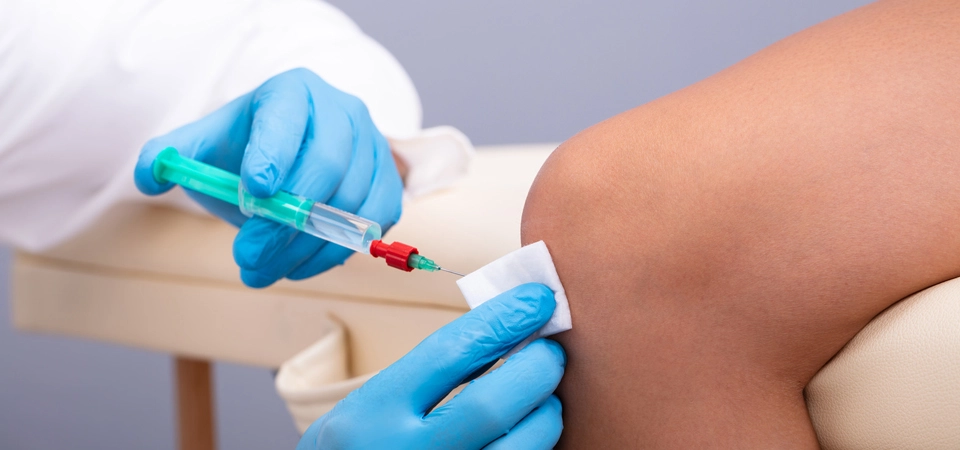
Chronic Diseases and Conditions That Respond Very Well to Neural Therapy
- Chronic inflammation of the tonsils and sinuses, chronic runny nose
- Middle ear infections
- Tendon sheath inflammations
- Neuralgia, nerve inflammation (sciatica)
- Trigeminal neuralgia
- Headache, migraine, tension-type headache, and cluster headache
- Eye inflammations and other eye diseases (glaucoma)
- Recurrent irritable bladder, bladder inflammation (cystitis)
- Chronic skin diseases (eczema, dermatitis, psoriasis, etc.)
- Diarrhea, constipation, IBS, Crohn's disease, ulcerative colitis, intestinal inflammation, gastritis, stomach inflammation
- Pancreatic, liver, and gallbladder diseases
- Prostate diseases
- Thyroid gland dysfunction (both excess and deficiency)
- Tinnitus – imbalance and dizziness
- Sleep disorders
- All types of acute and chronic pain, scar pain, headaches, migraine, recurring pain
- Lumbago, lower back pain, back pain
- Neck and lower back pain and hernias not requiring surgical intervention
- Rheumatic pain, arthrosis
- Blood disorders
- Chest pain of cardiac origin
- Circulatory system diseases
- Sensitivity to weather changes
- Fatigue
- Asthma
- Pollen allergy and other allergies

Diseases for Which Treatment with Neural Therapy Is Not Suitable
Acute cardiovascular and circulatory diseases, severe infectious diseases such as tuberculosis or AIDS, genetic diseases, cirrhosis, and severe arthrosis with restricted mobility are examples of diseases for which neural therapy treatment is not suitable. Likewise, psychological conditions such as severe depression, bipolar disorder, and schizophrenia, as well as cancer, cannot be cured with neural therapy. However, these patients often benefit from the identification and elimination of chronic interference fields. In fact, through supportive treatment with neural therapy, even patients with tumors often develop a stronger immune system in the fight against the tumor.
Dr. Hüseyin NAZLIKUL
IFMANT = President of the International Federation of Neural Therapy Societies
President of the Scientific Neural Therapy Regulation Association
Sources I Have Drawn On:
• Nazlikul, H: Neural Therapy Textbook
• Nazlikul, H: Neural Therapy, Another Treatment Is Possible
• H. Barop's Atlas of Neural Therapy (Translator: H. Nazlikul)
• L. Fischer's Neural Therapy Book (Translators: H. Nazlikul and Y. Tamam)
• James W. McNabb, Joint and Soft Tissue Injections (Translators: H. Nazlikul and Y. Tamam)
• Weinschenk, S: Neuraltherapie
• Fischer, L et al.: Lehrbuch Integrative Schmerztherapie