


Time to Say Goodbye to Smoking: Don't Be Late for a Healthy Future! For most of us, smoking is a…


Yet scientific data and the health problems we witness every day cry out one clear truth to us: Smoking is a poison that slowly works its way through your body, and it is never too late to be free of it. As Dr. Hüseyin Nazlikul, I want to comprehensively address the destructive effects of smoking and the steps that can be taken toward quitting. Remember, you can overcome this addiction!
The Dark Side of Smoking: Why Is It So Dangerous?
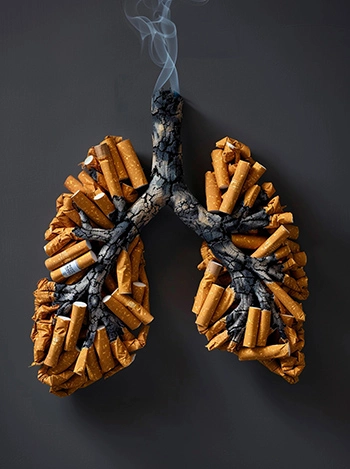 When you inhale cigarette smoke, it is a chemical cocktail that envelops not just your lungs but your entire body. It contains nicotine, tar, and toxic gases. Tar in particular contains around 4,000 chemical compounds, most of which are toxic. Today, 43 of these compounds have been scientifically proven to directly cause cancer.
Among the toxic gases in the smoke, nitrogen oxide and carbon monoxide seriously reduce the blood's ability to carry oxygen. Carbon monoxide, also known as exhaust gas, in particular displaces oxygen in the blood, preventing organs from receiving sufficient oxygen.
Nicotine is the main addictive substance in cigarettes. In fact, it is a lethal poison in high doses. Even in small doses, it raises blood pressure and heart rate. When combined with carbon monoxide, it leads to serious diseases of the heart and cerebral vessels.
The types of cancer caused by smoking are not limited to the lungs. Other organs known to have an increased cancer risk include:
- Lung cancer
- Mouth, lip, and tongue cancer
- Laryngeal cancer
- Pancreatic cancer
- Kidney cancer
- Bladder cancer
- Cervical cancer
- Penile cancer
The Dynamics of Addiction: Why Do We Start Smoking and Keep Going?
There are many reasons that lead a person to smoke: factors such as family habits, the influence of one's circle of friends, age, and social status all play an important role. However, the biggest culprit in sustaining the habit is nicotine.
When a cigarette is smoked, nicotine rapidly reaches the brain via the bloodstream and stimulates the pleasure centers, increasing alertness and performance. This rapid effect awakens a constant desire to smoke in the person, and the number of cigarettes smoked increases until a certain blood nicotine level is reached.
When nicotine is not taken in, the body shows withdrawal symptoms. These symptoms manifest as irritability, restlessness, poor concentration and sleep disturbance, headache, fatigue, increased appetite, and stress. This clearly shows that smoking addiction is a psychological problem as well as a physical one, since it is also a habit and pattern of behavior.
The human body is built on a balance system like the opposites found in nature: the sympathetic (stress and activity) and parasympathetic (rest and repair) nervous system. In a person who smokes, this balance is disrupted. Like many illnesses (stomach ulcers, migraine, asthma, etc.), smoking addiction is also a reflection of this disrupted balance.
Overcoming It Is Possible: A Holistic Approach and Detoxification
It is possible to overcome smoking addiction, and it is not too late for you to do so. The 5-step treatment approach we apply in our clinic aims to help you stay away from cigarettes by re-regulating the body and clearing it of toxins:
- Regulation of the Body: Treatment with Biophotons This is a treatment applied on an individual basis using rays called biophotons, aimed at restoring the body's energy balance. This method aims to activate the body's own self-healing mechanisms.
- Detox Treatment: Clearing Accumulated Toxins Thousands of harmful chemicals found in cigarette smoke accumulate in the body over the years. An important part of the treatment is the application of special detox treatments to accelerate the elimination of nicotine and other toxins accumulated in the body. This helps cleanse the body and contributes to reducing physical dependence on cigarettes. Methods such as chelation play a critical role in removing heavy metals and other toxins from the body.
- Suggestion and Psychological Support Smoking addiction is, to a large extent, a psychological habit. For this reason, individualized suggestion and psychological support are provided to contribute to the person's decision to quit smoking and to increase their motivation.
- Treatment with Acupuncture This is an acupuncture application performed by inserting needles at specific points determined on the body and ear. It is completely painless and sterile. The stimuli initiated by needle insertion transmit the necessary coding to the brain. In this way, the body and brain work in a coordinated manner, helping to overcome the addiction. It can be particularly effective in alleviating the withdrawal symptoms caused by nicotine addiction.
- Magnetic Field Therapy A magnetic field is used to repair the body's disrupted structure and energy flow. This method aims to restore the electrical balance of cells to normal, providing an overall sense of well-being.
If we compare the body to a perfect computer, the brain records the smoking program in its memory and does not forget it. At the end of the treatment, the person either no longer desires to smoke or finds cigarette smoke repulsive. With this treatment, the electrical and chemical balances in the body and brain change and return to normal. The gas exchange across the membranes of red blood cells shifts in favor of oxygen, meaning the cell takes in more oxygen. Through this mechanism, as the patient's bodily functions rapidly return to normal, a negative reaction to smoking develops (loss of the desire to smoke, aversion to the smoke, etc.).
The Secret to the Treatment's Success: Determination and Willpower
 Complementary medicine methods are very beneficial in treating smoking addiction. However, for this treatment to be a successful and lasting solution, the patient must meet certain conditions.
Above all, the addicted person must have become aware that smoking addiction will create health problems for them, and must have decided of their own free will to end this addiction. Determination in this matter means the desire to overcome this harmful habit entirely of the patient's own volition, without pressure from anyone. Free will is the most important step in this treatment.
To understand the genuine determination of a person applying to us for treatment, we ask them to stay away from cigarettes for at least 12 hours. There are two important reasons for this 12-hour abstinence:
- Success of the Treatment: The body staying away from nicotine for a certain period before treatment makes the treatment more successful. The longer the patient stays away from cigarettes (minimum 12 hours), the higher the treatment's success rate will be.
- Observing Withdrawal Symptoms: By observing the withdrawal symptoms (hand tremors, sweating, restlessness, etc.) that appear in a patient who has stayed away from cigarettes for a certain period, we review our treatment plan. Understanding how difficult it is for the patient to stay away from cigarettes guides us in the treatment process.
Looking to the Future with Hope: A Healthy Life Is in Your Hands
We want our patients—who have realized the harms of smoking, have seen and experienced its damage to their own bodies, but seek our help at the stage of quitting—to know that they are not alone. As long as they are determined and faithfully follow the conditions we have tried to explain above, we can promise them that they always have a chance to overcome smoking addiction—often in as little as two sessions.
Every cigarette we put out together, hand in hand, is a very significant step we take toward extending human life in health. Now is exactly the time to take a step toward a healthy future!