


There May Be Serious Reasons Behind Intense Food Cravings If you have an intense craving for foods…

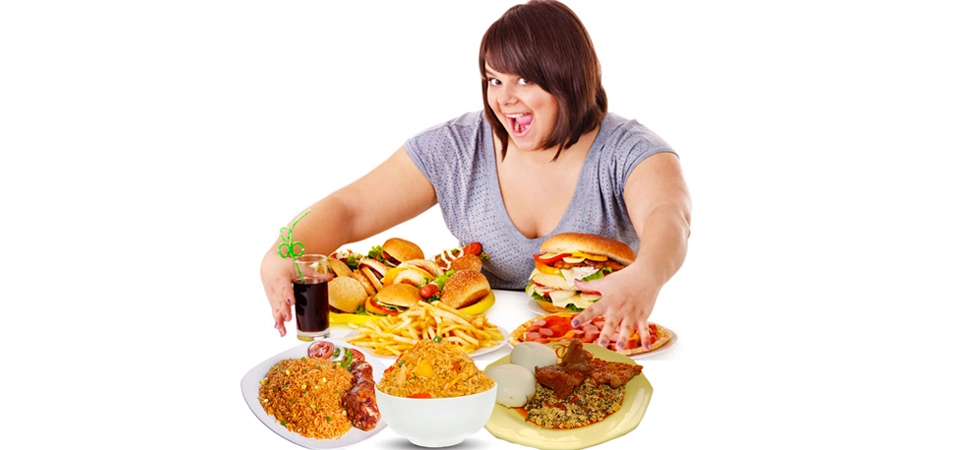
If you have an intense craving for foods like cheese, chocolate, salty chips, a juicy steak, kebab or grilled food, or a slice of pizza, know that your body is lacking valuable nutrients.
So how can you address this intense craving and satisfy it in a healthy way?
When a person suddenly feels an irresistible urge for a particular food, they want to snack on something sweet or salty right away. This urge is not as simple a behavior as it may seem. Such a craving is actually a warning that certain vital nutrients are lacking in the body.
Craving food this intensely is making us sick.
It's not what we don't eat, but what we do eat, that makes us sick.
During the Covid-19 process — that is, the pandemic — we see a new risk factor emerging every day on the subject of "Health During the Pandemic." Eating correctly and healthily has become much more important during the pandemic process. If you are consuming excessive amounts of food, never feel full, and constantly find yourself craving snacks, consulting a regulation medicine and neural therapy specialist trained in nutrition will protect you from potential illness.
What Does a Sudden Craving for Sweets Mean?
If you're craving anything sweet, your blood sugar may be irregular or unbalanced. If you satisfy this craving right away by eating sweets, chocolate, cake, pastry, honey, halva or molasses, this only provides short-term satisfaction, because the craving won't stop there. This warning will repeat within an hour at the latest. Blood sugar level, so to speak, is like a roller coaster. Sweets and sugar never truly satisfy you, and you'll want to keep consuming them. In addition, sweets contain very high calories.
So how can you satisfy this craving in a healthier way?
Try eating fruits like apples or pears. These also satisfy your sugar craving. Nuts are also a more innocent option than eating sweets.
To keep blood sugar levels stable in the long term and control appetite:
-
Eat a balanced and varied diet.
-
Follow a Mediterranean diet.
-
Choose foods such as vegetables, eggs, fish, dairy products and whole grain products.
-
Be sure to consume seasonal vegetables at every meal.
-
Drink plenty of water.
Where Does a Craving for Chocolate Come From?
A new study conducted in Germany showed that intense cravings for chocolate stem from magnesium deficiency. It was shown that the group with low magnesium levels consumed more chocolate and had a greater craving for sweets compared to the control group.
Quality chocolate also contains minerals and antioxidants. However, along with these benefits, it also contains a lot of calories. It's best to choose dark chocolate, which is richer in content and lower in sugar. You can consume dark chocolate as long as you do so in moderation. You can also meet your magnesium needs by regularly consuming nuts, fish and leafy green vegetables.
The Truth Behind Salty Food Cravings
An intense craving for any kind of salty food, particularly chips and crackers, indicates that you're under stress. Taking a few minutes to breathe properly and get out of the stressful environment before consuming salty food will help curb this craving. Under stress, the adrenal glands need to secrete a lot of cortisol. The body needs excessive amounts of salt and fat to produce cortisol. If you want to get rid of stress, instead of feeding your stress by eating salty and fatty foods, distance yourself from stress by breathing correctly.
Even small steps can have a big impact. A very striking study conducted by the University of Utah on this very subject showed that the craving for salty food decreased by at least 25% in people who took deep breaths. By using proper breathing techniques, you can bring your stress under control, or even eliminate it, and prevent your craving for salty food.
Try to reduce stress — for example, take advantage of relaxation techniques such as meditation and proper breathing. You can find more information on this subject in my books "Discover Life" and "Living to 100 Is Possible."
Why Does an Intense Craving for Meat Dishes Occur?
Skewers, grilled meat, meatballs, kebab, tandır, steak, liver and roast… Did you know that an intense craving for meat can stem from iron deficiency?
Women lose more iron due to bleeding during menstruation. Could this be the real reason behind an intense craving for sweets during menstruation, and an intense craving for meat afterward?
We are not carnivorous creatures — we have no need whatsoever to obtain energy from animal protein. We need the amino acids found in animal proteins to use as building blocks. It's sufficient for a maximum of 10% of the total energy we take in through our daily diet to come from protein.
For more comprehensive information on this subject, you can benefit from my books "The Emotional Brain and Gut," "Beautiful, Happy and Healthy - Discover Holistic Nutrition," "Why Are We Living Wrong?," "Living to 100 Is Possible".
That said, people who consume too much meat also face many health risks, including cardiovascular disease, as well as cancer and kidney problems. For this reason, you can address your iron deficiency with legumes, dried fruit (keep the amount you consume in check, since they are very calorie-dense), and grape seeds. Dried fruits are high in sugar, so consuming small amounts is sufficient.
Why Does an Intense Craving for Cheese Occur?
If you're craving a cheese-loaded pizza, börek or pide, and your mouth waters the moment you think of them, know that you're experiencing a deficiency in healthy fatty acids.
When healthy fatty acids decrease in the body — that is, when your Omega-3 level drops — your craving for cheese increases. But know that cheese doesn't contain healthy Omega-3. Excessive cheese consumption will acidify your body. This will increase joint stiffness and pain, lead to arteriosclerosis, cause flare-ups in autoimmune diseases, trigger the formation of cancerous cells, cause fatty liver, and trigger chronic diseases.
When you crave cheese intensely, it would be far more meaningful for your health to eat fish rich in Omega-3 fatty acids or take Omega-3 capsules instead. Omega-3 fatty acids don't just provide you with energy — they also protect you against vascular diseases, cardiovascular disease, cancer and joint inflammation.
Since cheese doesn't contain Omega-3 fatty acids and contains large amounts of animal fats that are particularly harmful to blood vessels, you should choose healthy sources of Omega-3 instead of cheese. Oily sea fish like salmon, walnuts, flaxseed, quality vegetable oils... You can find more comprehensive information on this subject in my books "Why Are We Living Wrong?" and "Beautiful, Happy and Healthy - Discover Holistic Nutrition."
Important Tips
Often, an intense craving to eat is a signal that the body is dehydrated. If you have a sweet tooth, first drink a large glass of water or unsweetened tea. This way, you'll give your body exactly what it needs. Wait half an hour, and the craving to eat will likely disappear, bringing your appetite under control.
According to a study conducted by the University of Exeter in England, physical activity can also reduce sugar cravings. Walking briskly for 15 minutes helps you avoid chocolate, sweets, pastries and similar foods. According to scientists, physical activity can affect the neurons (messenger nerve cells) that help fight addictions.
Sufficient sleep can also prevent food cravings. Scientific research suggests there is a relationship between sleep duration and excess weight. Simply put, it has been found that people who sleep less tend to be heavier. Scientists have not been able to fully explain why this is, but according to one theory, insufficient sleep increases the secretion of appetite-stimulating hormones. For more information, you can check out my book "The Magic Power of Sleep".
Different Causes of Intense Food Cravings
In addition to nutrient deficiency or low blood sugar levels, certain illnesses can also be the cause of intense food cravings.
Conditions such as bulimia and anorexia can also cause eating disorders. On the other hand, diabetes — particularly uncontrolled blood sugar — thyroid dysfunction, depression and pregnancy can also increase food cravings.
If you are experiencing recurring intense food cravings due to eating disorders or suspected diabetes, see a doctor without delay.