


Tips for a healthy and balanced diet The foods you consume should be rich in variety…


The foods you consume should be rich in variety…
A one-sided diet not only removes the pleasure taken in eating but also reduces appetite. An important condition for a balanced and healthy diet is eating in a varied way. Tasting different foods will increase the enjoyment you get out of life.
Consuming the fresh fruit and vegetable varieties, legumes, grain products, and milk and dairy products that nature offers us in their natural form will make us more vigorous and energetic.
You need to make eating fruit and vegetables a habit. However, every fruit and vegetable should be eaten in its own season. Artificially ripened fruit and canned goods are not recommended, as they are poor in minerals and vitamins.
The amount of energy/calories you take in matters…
When you consume more food than necessary, the body will convert it into fat and store it. The foundation of all fat stores in your body is excess food intake. When you take in less energy and food than the body needs, the energy sources that have been stored will be used first to sustain life. This makes sense if there are fat stores in your body; otherwise, this situation brings about muscle wasting.
Although dividing the total food intake into more meals is recommended, the correct approach is actually to eat a SINGLE meal a day…
There are also major mistakes in the quantity aspects of our eating and drinking culture. For example, the eating pattern that will provide a person with physical and mental ease is eating "a SINGLE meal a day" and fasting one day a week. In this single meal, it is also among the important recommendations for a healthy life to include seasonal fresh vegetables and fruit alongside grain products, and to stay away from margarine, using liquid oils in cooking—especially olive oil.
Make chewing your food thoroughly a habit. Because the reflex of feeling full is located not in the stomach but in the brain. The more slowly and thoroughly you chew each bite, the better you will digest the food you've eaten.
Enough protein must be consumed…
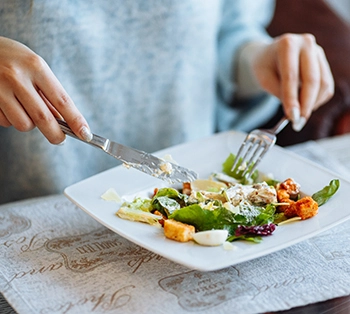 You need to consume an average of 0.9 grams of protein per kilogram of body weight per day. For a woman weighing 60 kg, this means 54 g of protein, and for a man weighing 80 kg, approximately 72 g of protein.
Our bodies cannot synthesize protein from their own stores. For this reason, protein must be obtained from outside through food. However, it is equally important that the amount consumed be limited. It is essential for a healthy diet that a maximum of 10-15% of our total energy intake come from protein.
For a healthy diet, 2 meat-based meals per week will be sufficient in terms of protein. Excess protein intake is immediately converted into fat. This in turn causes thickening in the blood vessels.
Keep your fat consumption in check…
You should protect yourself from visible fats, such as those found in fried foods, sauces and processed meat products. However, you must also be careful of hidden fats that are not visible to the eye, most commonly found in ready-made foods. When shopping, take care to choose low-fat foods. Stay away from solid fats. Choose low-fat varieties of cheese and sausage.
Make it a habit to consume fresh vegetables, fruit and grain products every day…
Meet your vitamin needs by eating fresh vegetables and fruit rather than taking vitamin pills. Vegetables, fruit and grain products also contain sufficient minerals and fiber needed for a healthy life.
You should stay away from sweets…
Excess sugar consumed as food is immediately converted into fat in your body. Sweets and refined sugars are also low-quality carbohydrates. We don't want these to be unnecessarily stored as fat in the body.
Prepare your meals without damaging the nutrients…
How a meal is cooked and presented matters. Avoid overboiling and frying foods. This process causes the important minerals and vitamins contained in vegetables and other foods to lose their value. When preparing a vegetable dish, do the chopping while you're preparing the meal. Avoid cutting vegetables and fruit into small pieces or mashing them ahead of time.
It is important to consume unprocessed rice and wheat. Because these foods are rich in minerals, vitamins and fiber.
The freshness of the meals you prepare matters. Prepare only as much food as you can eat. Reheated meals don't lose calories, but they do lose value in terms of minerals and vitamins.
We should mostly prefer steamed dishes. Don't discard the water from boiled vegetables, because many vitamins and minerals remain dissolved in the cooking water.
Water, as vital as the air we breathe, is the source of life…
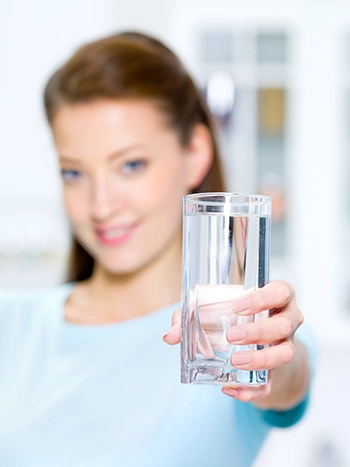 Make it a habit to drink at least 2.5-3 liters of water a day. One of the first things you should do when you wake up in the morning should be to drink two glasses of water.
Drink water half an hour before meals; don't drink water during meals or right after eating. It is important to drink water no sooner than half an hour after eating. Because when the stomach takes in water right after a meal, it cannot fully complete the digestion of the food.
In hot weather, our bodies lose more fluid, and in such conditions we should take in at least as much fluid as we lose. During certain periods, sweating it out in a sauna or hammam is healthy. However, don't forget to drink plenty of water after sweating.
What we refer to as water actually encompasses many fluids. We also ensure fluid intake into our body through ayran (yogurt drink), mineral water, herbal teas, and fresh fruit and vegetables.
Artificially sweetened lemonade and ready-made fruit juices are not healthy. Excessive alcohol consumption is also unhealthy, and alcohol intake should not be counted as water.
Someone eating a healthy, balanced diet should not consume more than 25 grams of alcohol per day, an amount that also ensures the circulatory system functions healthily. However, if a person has any health problem, they should definitely consult their doctor.
Water is the world's most natural food—it contains no fat, calories or cholesterol, yet provides energy. Despite all these benefits, most people don't consume enough water.
You need to understand the importance of sport and exercise…
Daily exercise is very important and healthy. Walking for at least 20 minutes after heavy meals is very important for healthy digestion and circulation.
For a healthy life, swimming, walking, cycling, pilates and yoga are all healthy activities. Other types of sport are recommended within the scope of your abilities. However, if you engage in sports that require intense effort and conditioning, don't begin active sport without doing warm-up exercises. Make warming up a habit. Walking in the forest in fresh air and sunbathing can also become part of your traditions.
Stay away from smoking!
Dr. Hüseyin NAZLIKUL, M.D., PhD.
IFMANT = President of the International Federation of Medical Associations for Neural Therapy
President of the Scientific Neural Therapy Regulation Association